Leading The Way: The New Orient Star Sakigake Three Hand

Orient Star embarks on a new chapter for its 75th anniversary. While many of the brand’s anniversary releases this year celebrate the elements that helped define Orient Star, the new Sakigake collection looks firmly toward the future. Most notably, it abandons one of the brand’s longest-running design signatures. Since 1996, Orient Star has almost always featured a power reserve indicator on the dial. Thirty years later, the Sakigake Three Hand arrives without one, signaling a fresh design direction. The date window is also absent, stripping the display back to its essential elements.
Sakigake (先駆け) has several interpretations, but “forerunner” feels the most appropriate translation here. Part of the Contemporary Collection, the Orient Star Sakigake Three Hand prioritizes everyday wearability while maintaining a premium feel. The 316L stainless steel case has a compact 38.7mm diameter and 11.8mm total thickness. While not especially thin, the proportions suit its sporty-elegant character.
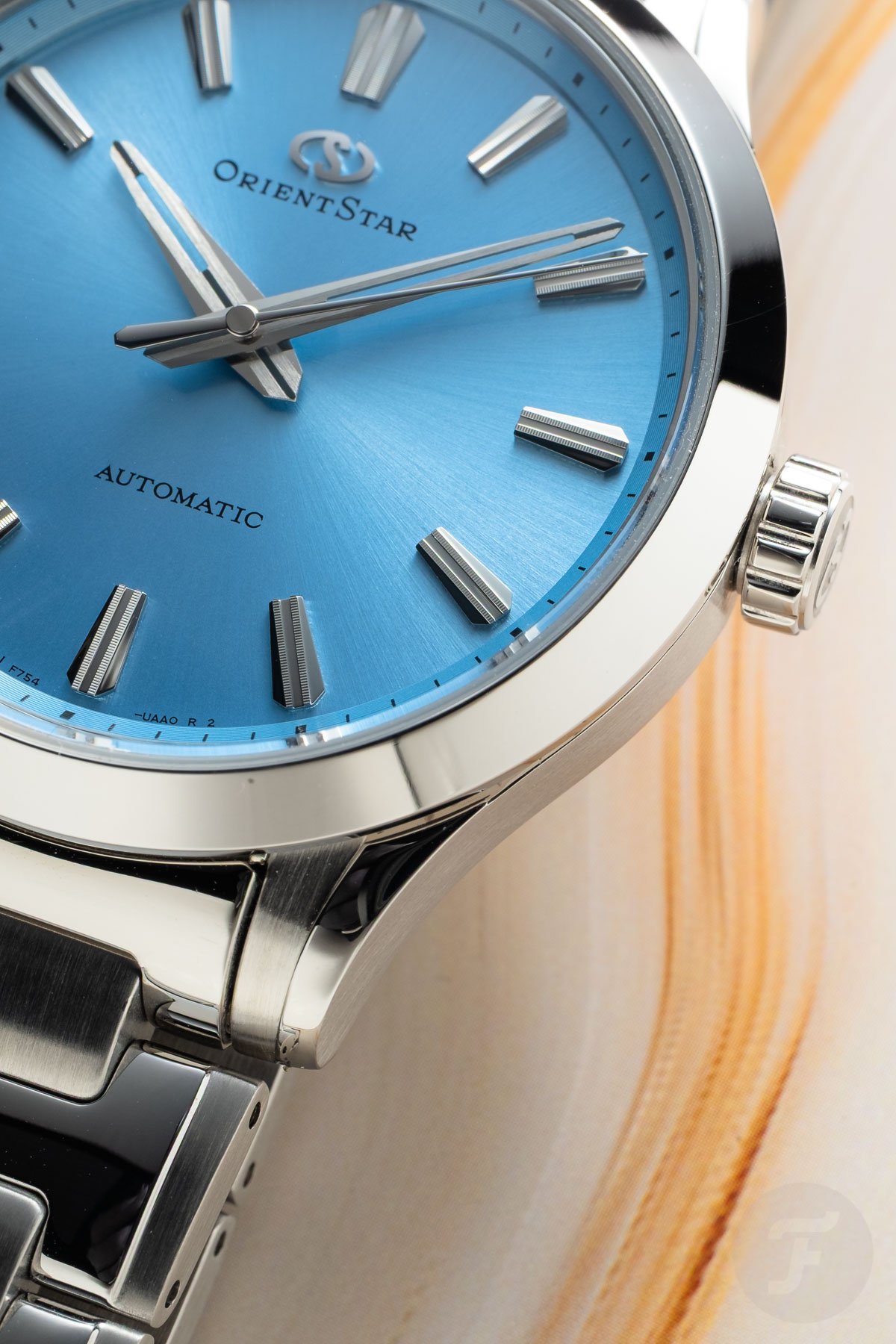
The dial draws subtle inspiration from nature. Its applied indexes feature petal-like shapes with faceted edges and ribbed upper surfaces that interact nicely with the light. Thanks to the absence of a date window, all 12 indexes remain intact. A slightly broader wedge-shaped marker at 12 o’clock provides orientation. There is one notable omission, however: neither the indexes nor the dial feature any luminous material.
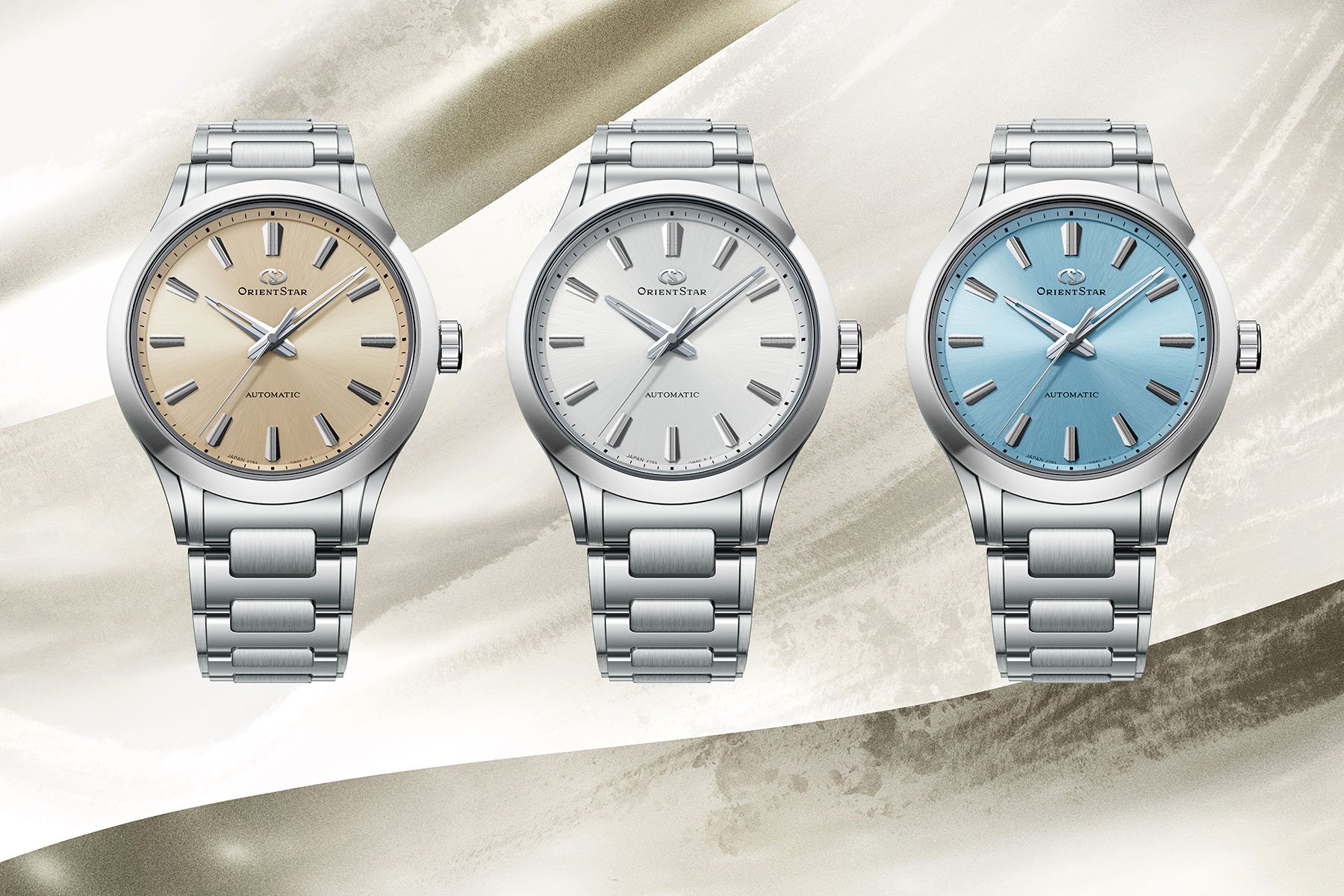
Orient Star Sakigake Three Hand
The hands are also lume-free, which feels like a missed opportunity on a watch intended for everyday use. I can easily imagine lume integrated into the center sections of the indexes and the tips of the skeletonized hands. That criticism aside, I really like the handset. The cut-out design feels distinctive without appearing overly decorative.
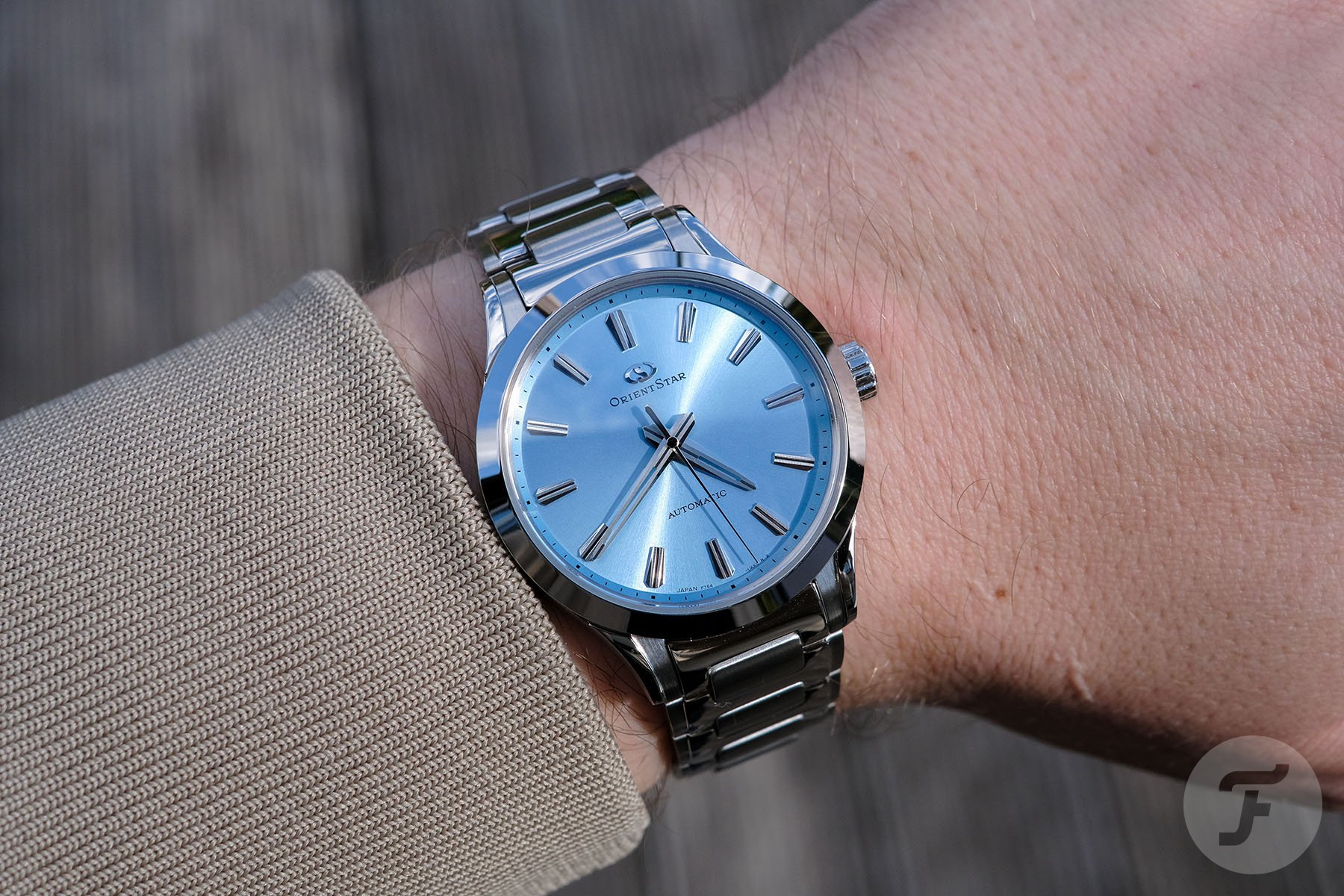
For precise time-setting, the polished seconds hand extends to the minute track on the raised rehaut with concentric grooves. With the power reserve indicator and date removed, Orient Star relies on texture and finishing to create visual interest. A radial sunburst pattern spans the dial, and it is particularly striking on the light blue model shown here. The silver, gold, and limited-edition copper versions offer a more restrained presentation.
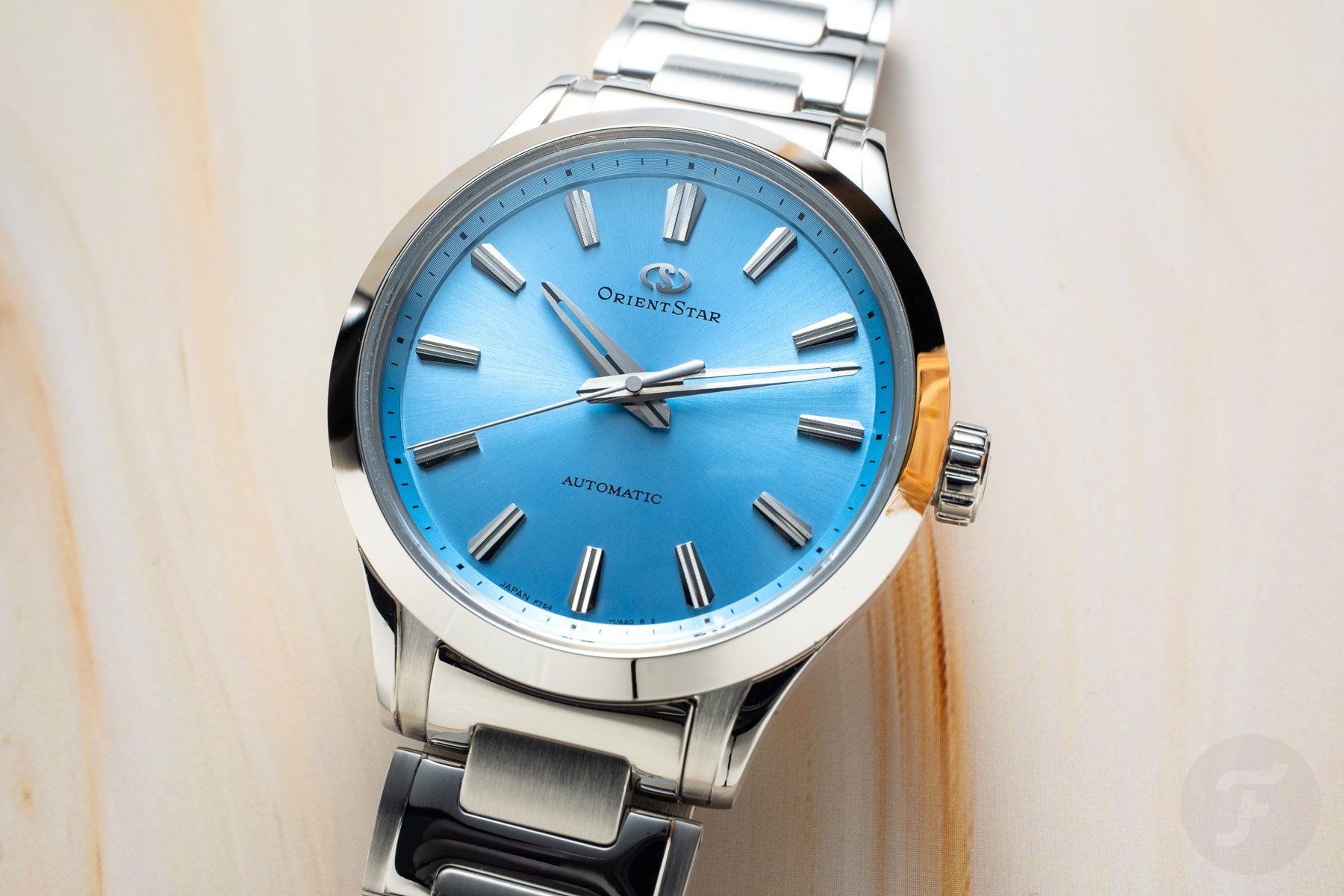
The applied logo beneath 12 o’clock is balanced by a simple “Automatic” script above 6 o’clock. Combined with the cleaner layout, the overall result feels refined and refreshingly understated. More importantly, it establishes a genuinely different identity within the current Orient Star lineup.
Joy of discovery
The bracelet also introduces a new design language. Before reaching it, though, the lugs deserve attention. Their contrasting finishes shift from polished outer surfaces to hairline-brushed inner sections in a shape said to evoke the twin tails of a comet. This is Orient Star, after all, so celestial inspiration is never far away.
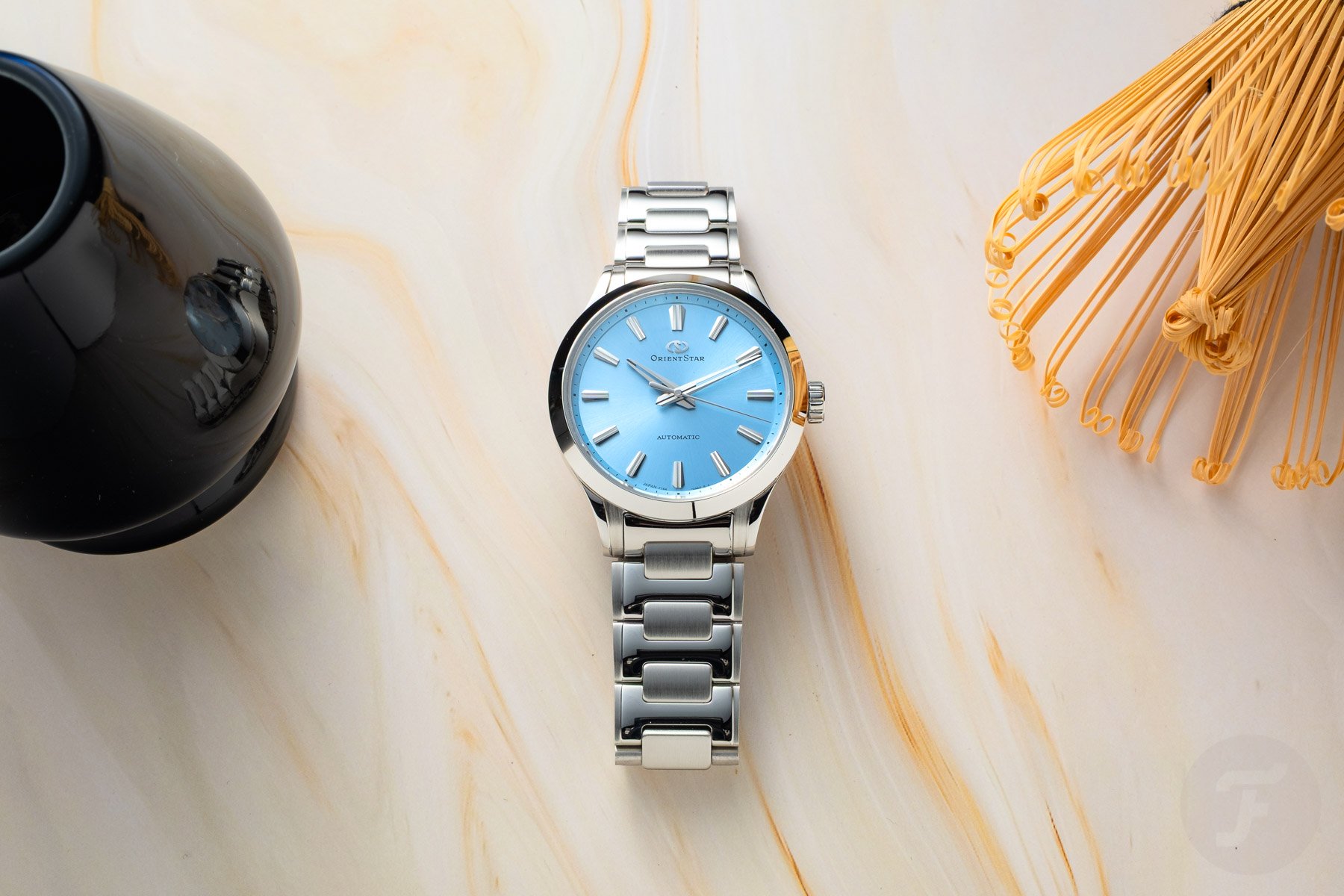
At first glance, the design creates the impression that only the polished portion of the lugs forms part of the case. In reality, both sections are fixed, while the bracelet extends outward from the end links. This detail is important because the specifications suggest a conventional 20mm lug spacing. In reality, there’s just a 16mm gap between the lugs. The result isn’t quite an integrated bracelet, but it does significantly limit aftermarket strap options.


Supple strength
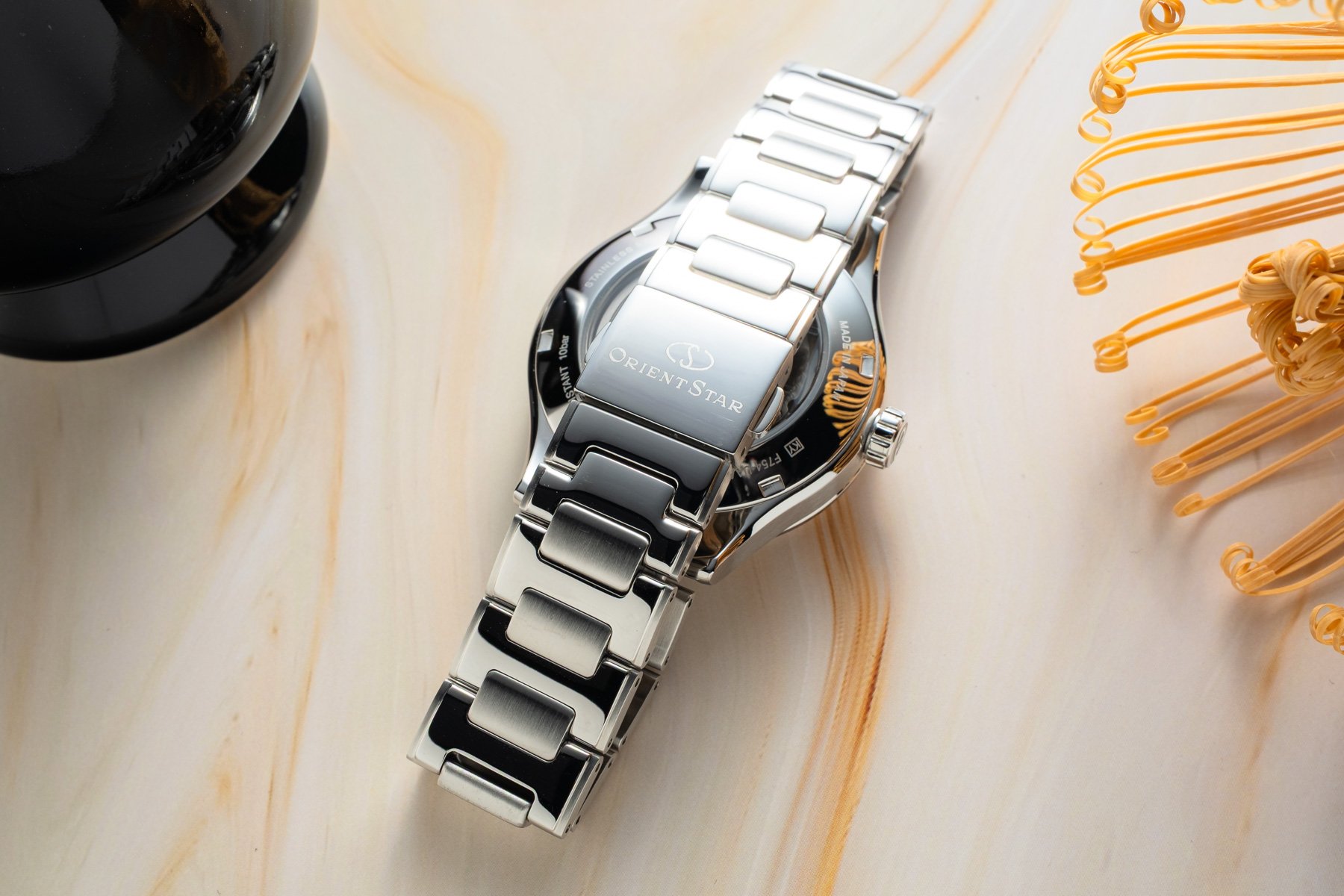
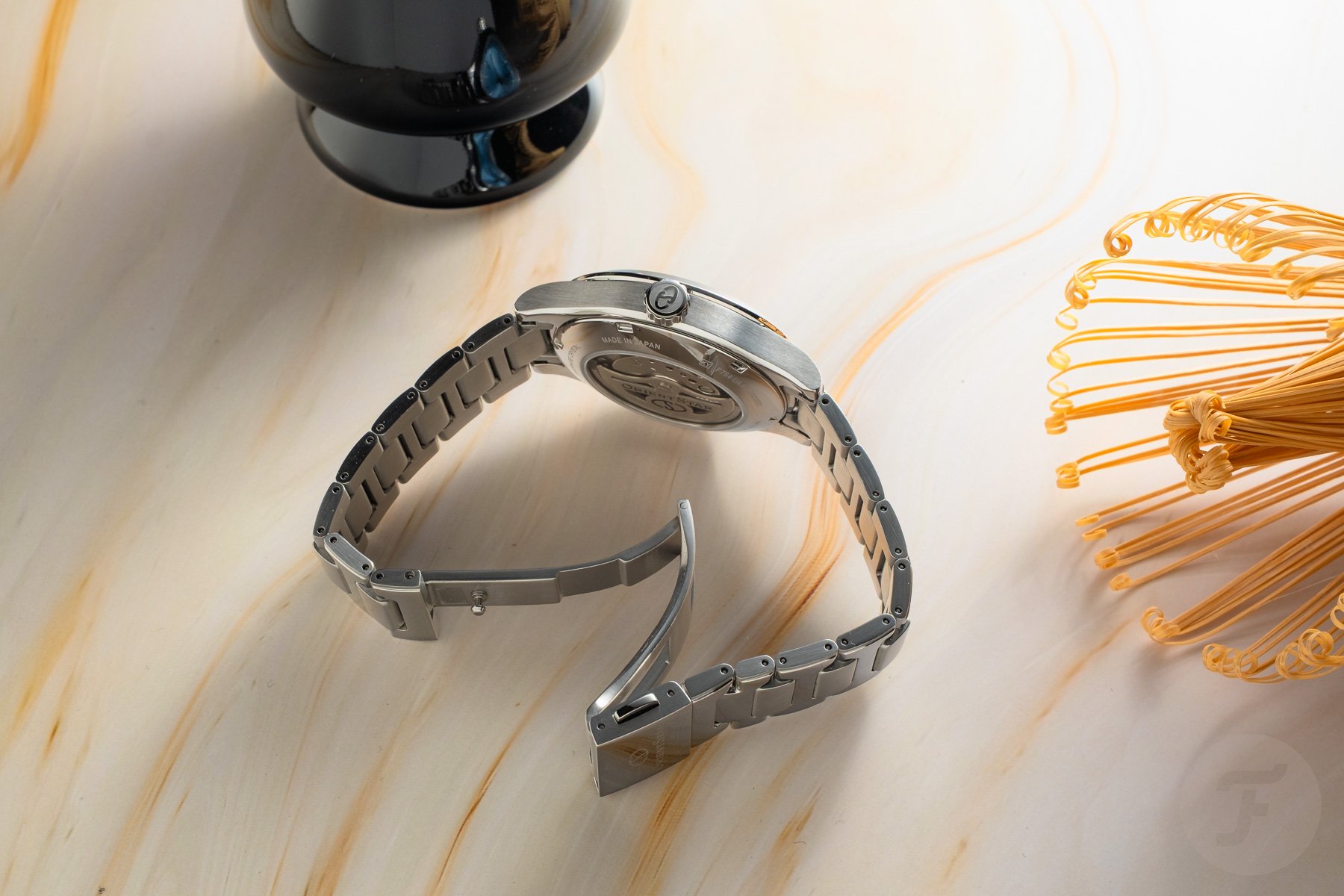
The bracelet itself continues the theme with polished H-shaped links flanking brushed center links. The taper is subtle, helping the bracelet flow naturally from the case. Orient Star has also invested considerable effort into reducing clasp bulk. While the standard Orient Star clasp measures around 7.4mm thick when closed, the Sakigake Three Hand’s clasp comes in at just 5.9mm at the thickest point. It sounds like a small difference, but it’s immediately noticeable on the wrist and contributes meaningfully to long-term comfort.
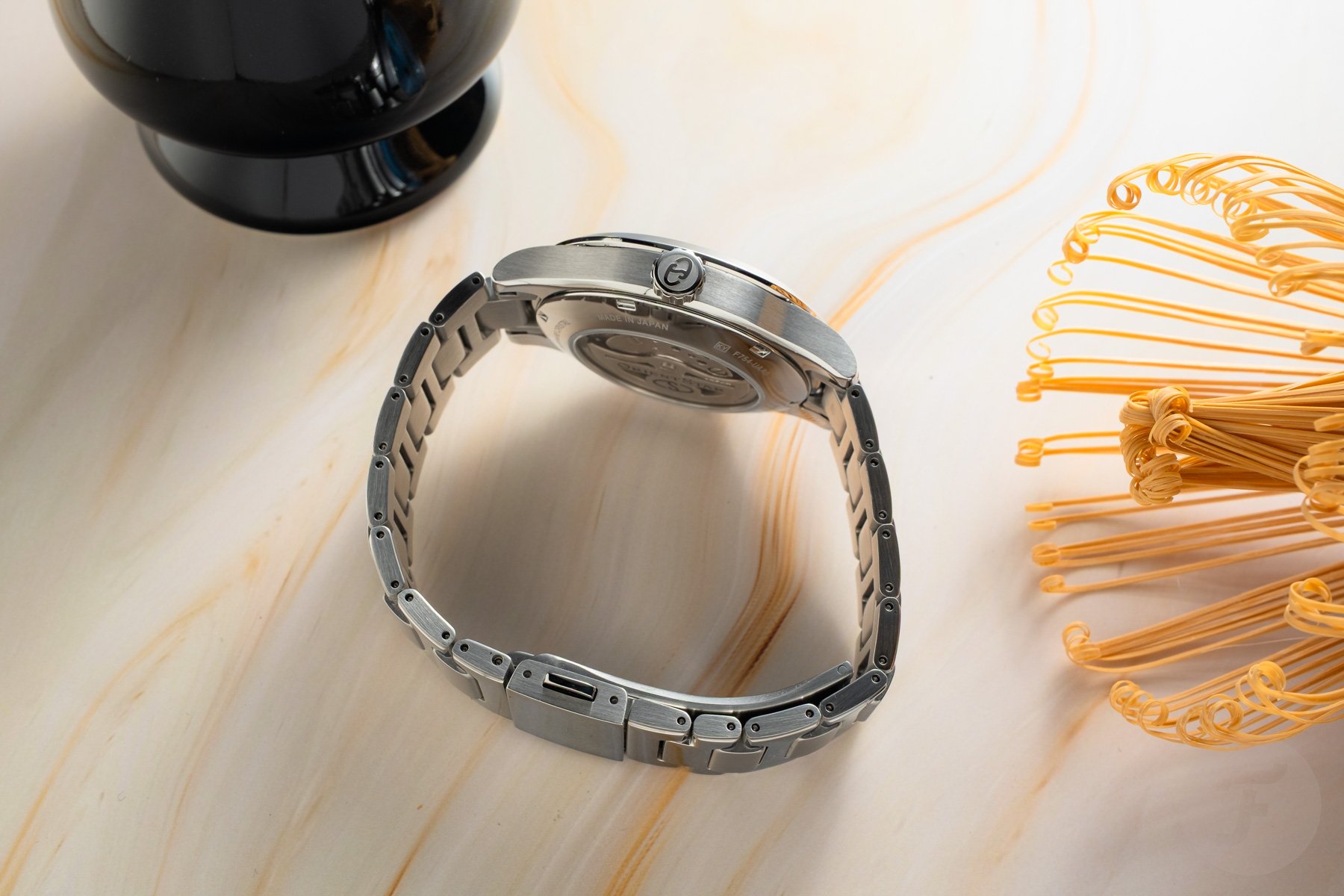
There is no micro-adjustment system, though Orient Star includes a half link to help achieve a more precise fit.
Powering the Sakigake Three Hand is the new in-house automatic caliber F7542. The movement carries a stated accuracy tolerance of -5/+15 seconds per day and is visible through a sapphire display in the case back. The 22-jewel F7542 also holds over 50 hours of power when fully wound. Decoration is relatively simple, with ribbing on the rotor and perlage across the bridges and plates. It’s hardly haute horlogerie, but it’s welcome to see any level of finishing at this price point.
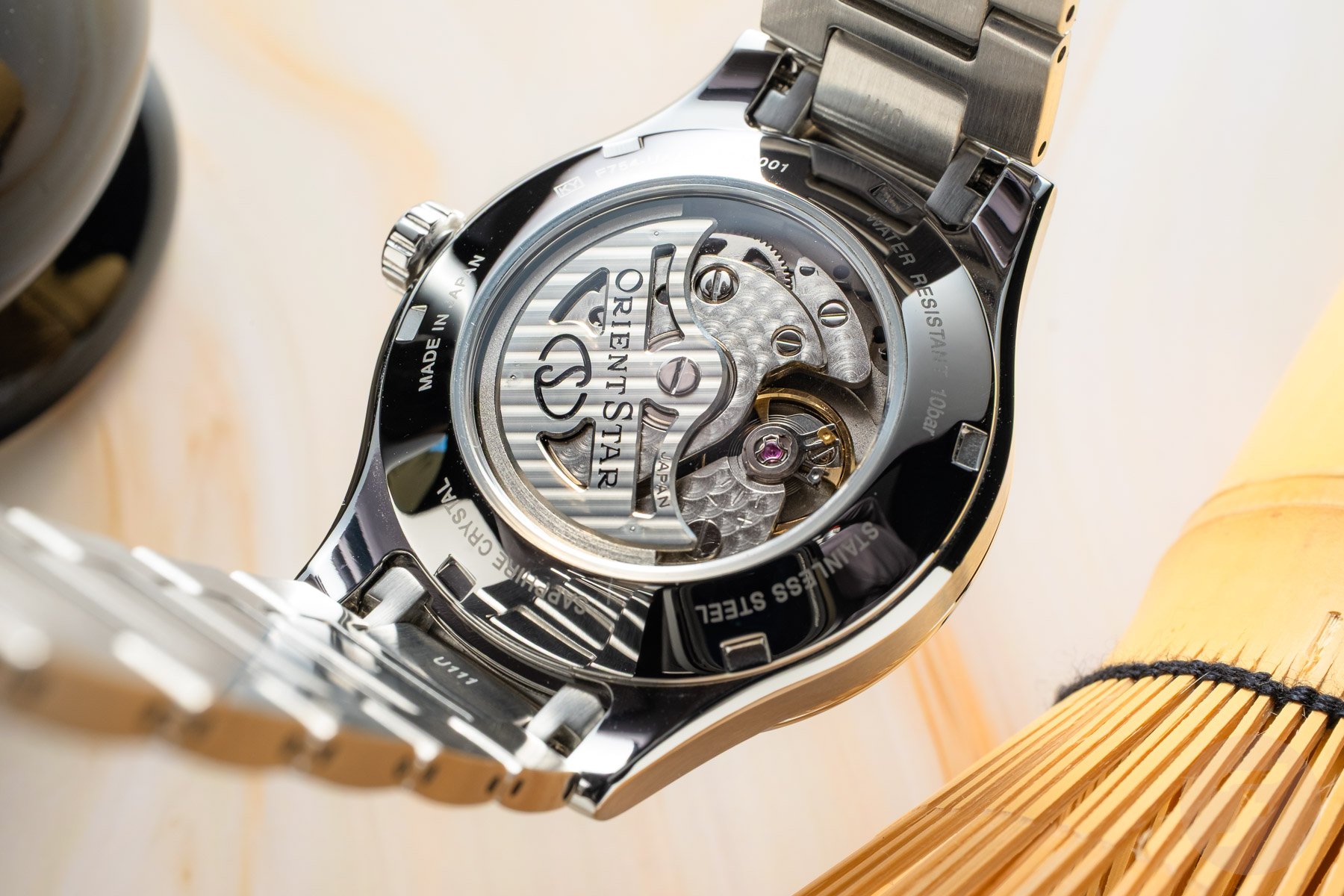
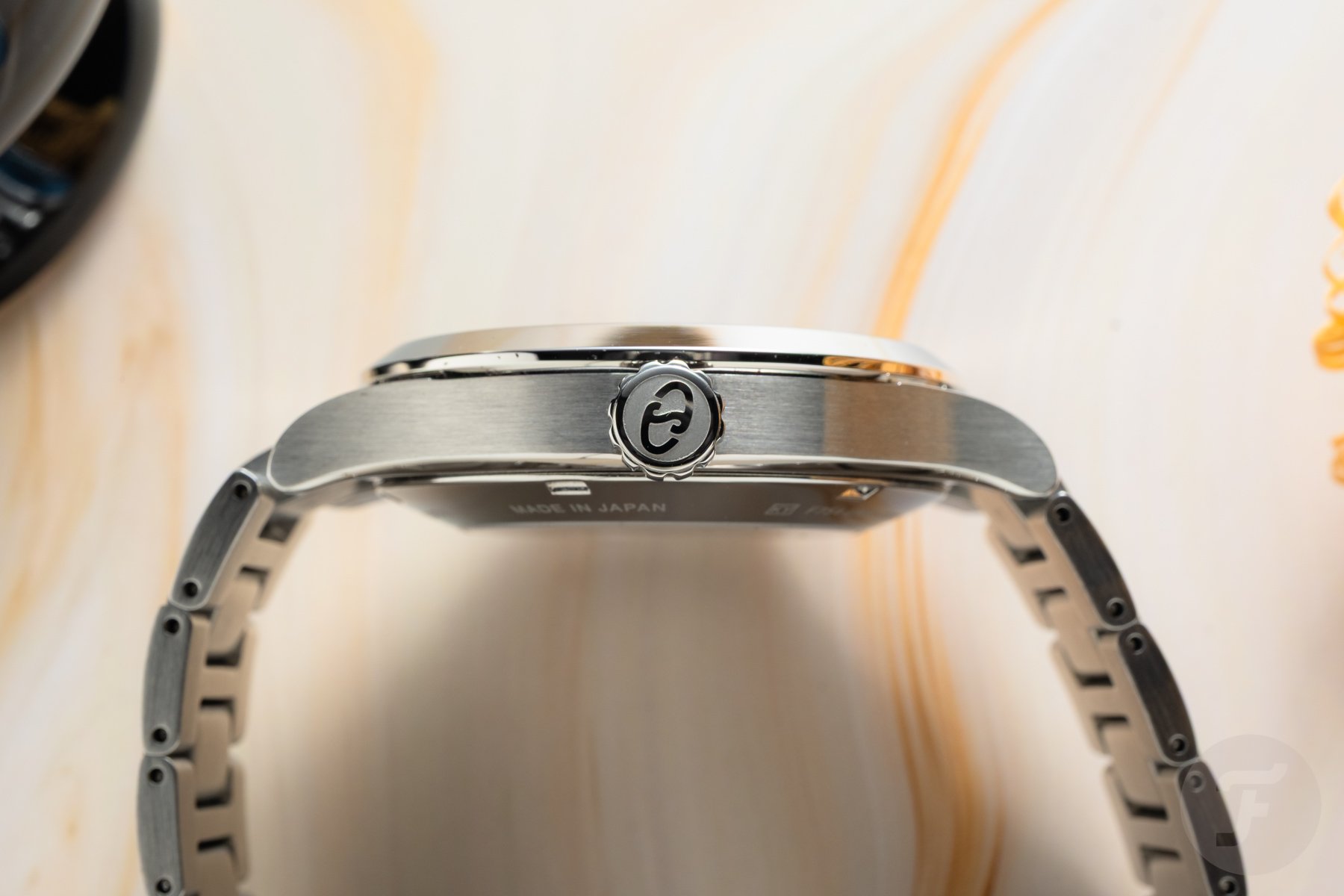
The case back’s steel ring includes the usual engravings detailing the watch’s Japanese manufacture, materials, and 10-bar (100m) water resistance rating. The limited-edition copper-dial model also carries an individual number engraved as part of its 900-piece production run. Completing the package is a screw-down crown featuring Orient Star’s traditional S-within-an-O motif.
Final specs, thoughts, and pricing
I came away genuinely impressed by the Sakigake Three Hand. It wears comfortably, feels well made, and introduces a cleaner aesthetic that should appeal to buyers who previously found Orient Star’s dials too busy. Removing both the power reserve indicator and date window allows the design to breathe. Combined with the radial sunburst finish and distinctive skeletonized hands, the dial feels fresh without abandoning the brand’s identity altogether.
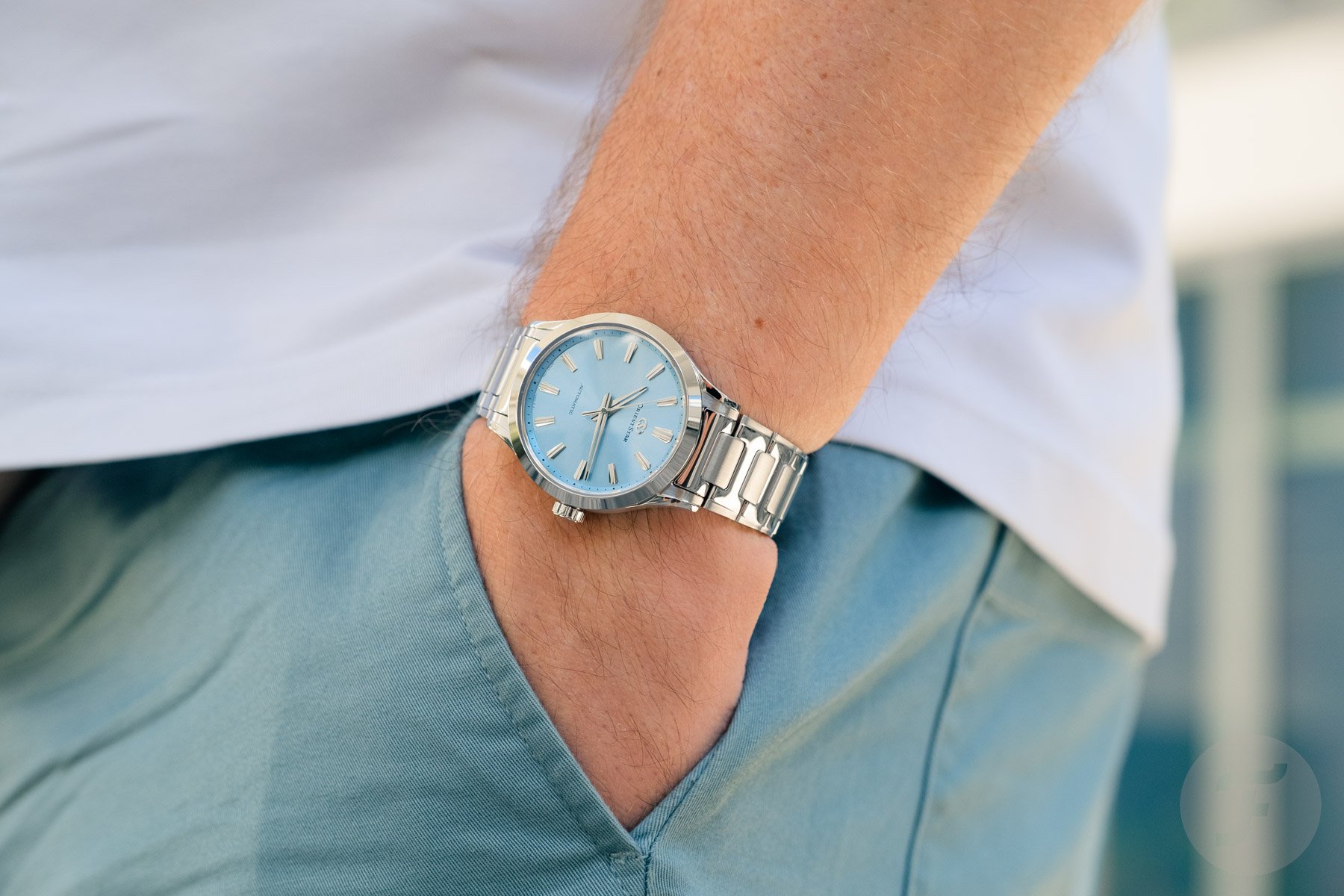
What surprised me most was the bracelet integration. The lug design’s visual trickery makes the watch appear more adaptable than it actually is. While the execution looks excellent, the narrow effective lug spacing makes finding alternative straps challenging. In that respect, the Sakigake Three Hand feels very much designed around its bracelet.
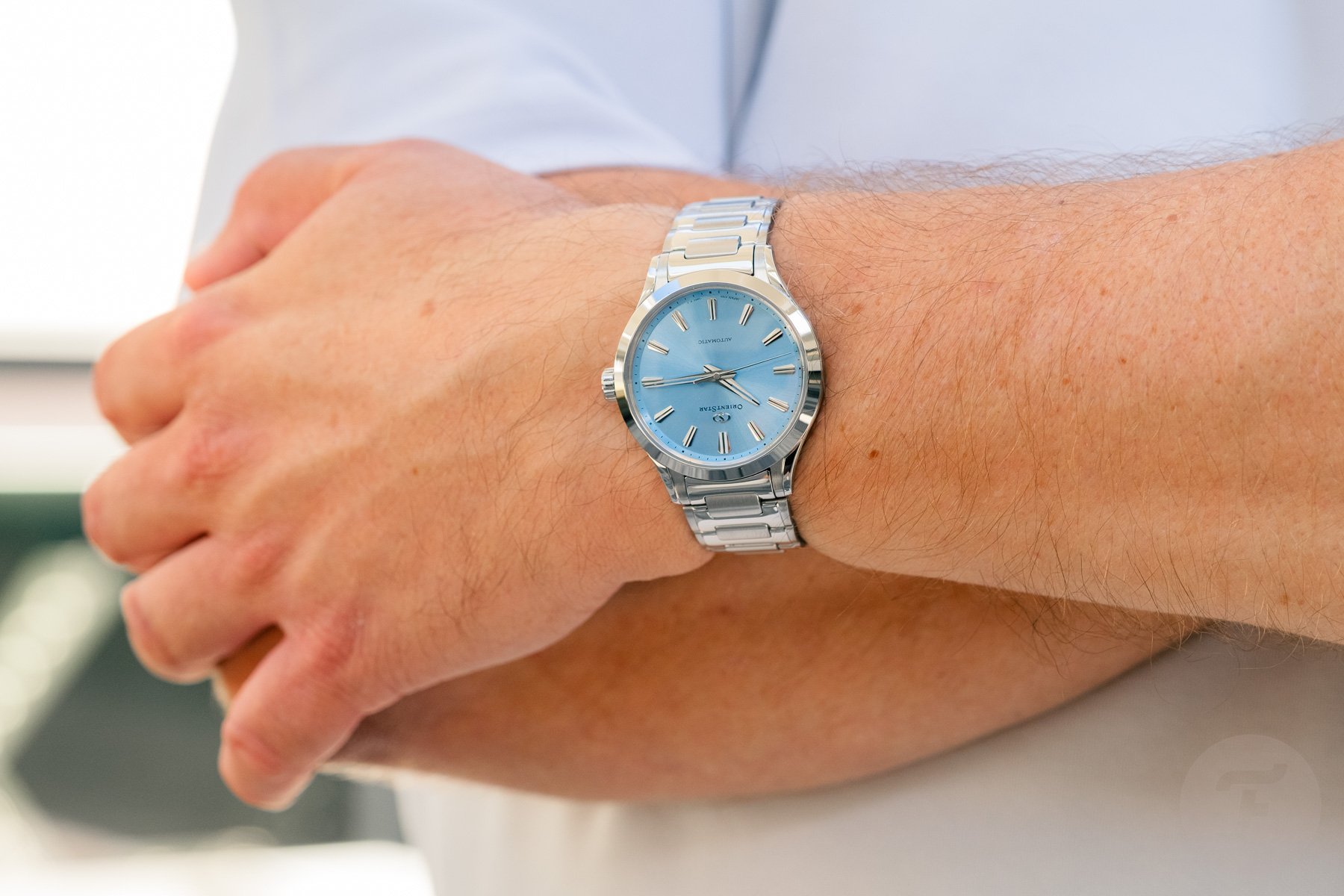
Still, that’s a minor criticism in an otherwise compelling package. The Sakigake Three Hand successfully introduces a new design direction while remaining unmistakably an Orient Star. For collectors who have admired the brand’s quality but never fully connected with its traditional Japanese design language, this could be the model that changes their minds.
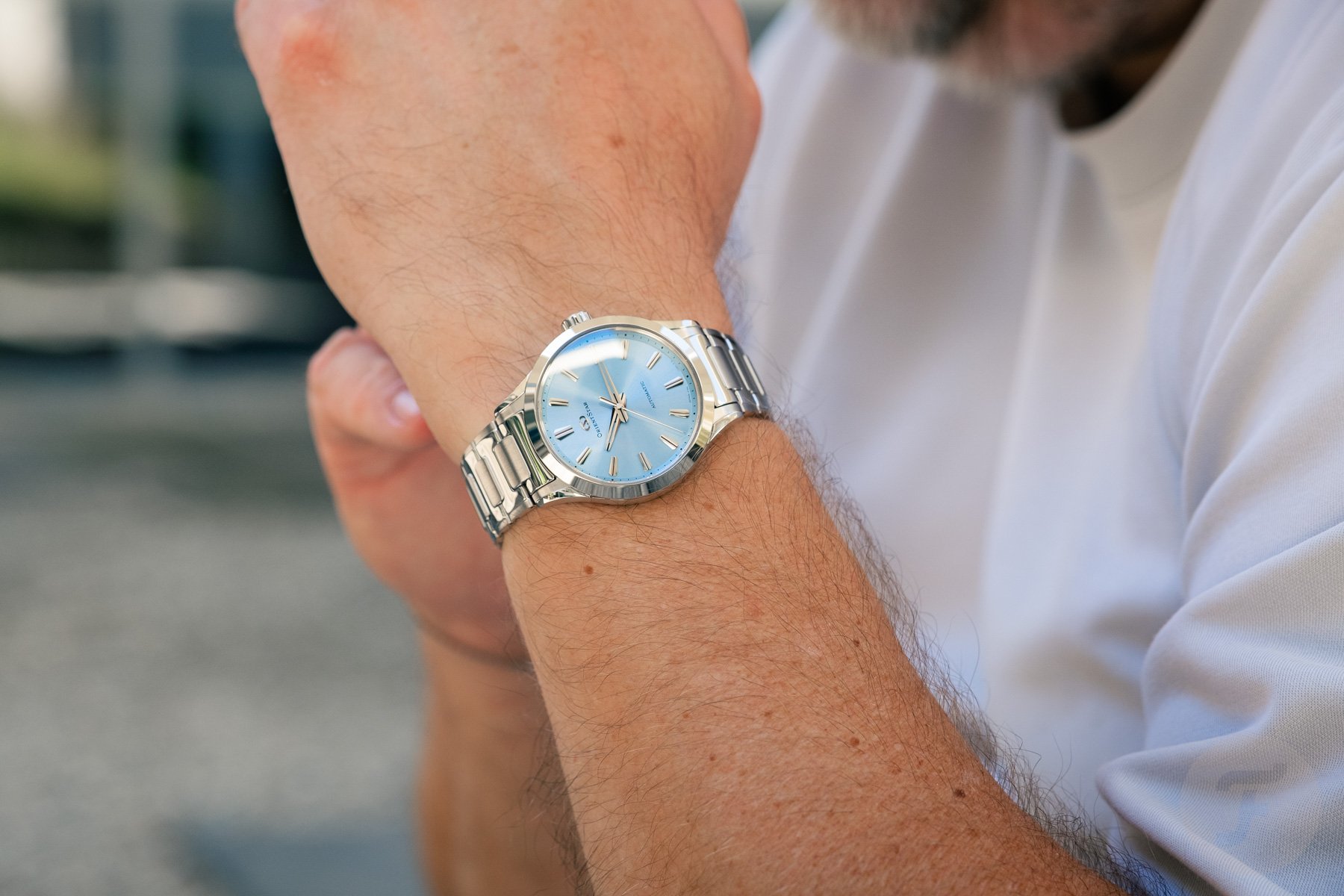
The light blue model retails for €880, while the 900-piece limited-edition copper version celebrating the brand’s 75th anniversary costs €960. You can learn more on the Orient Star website here.
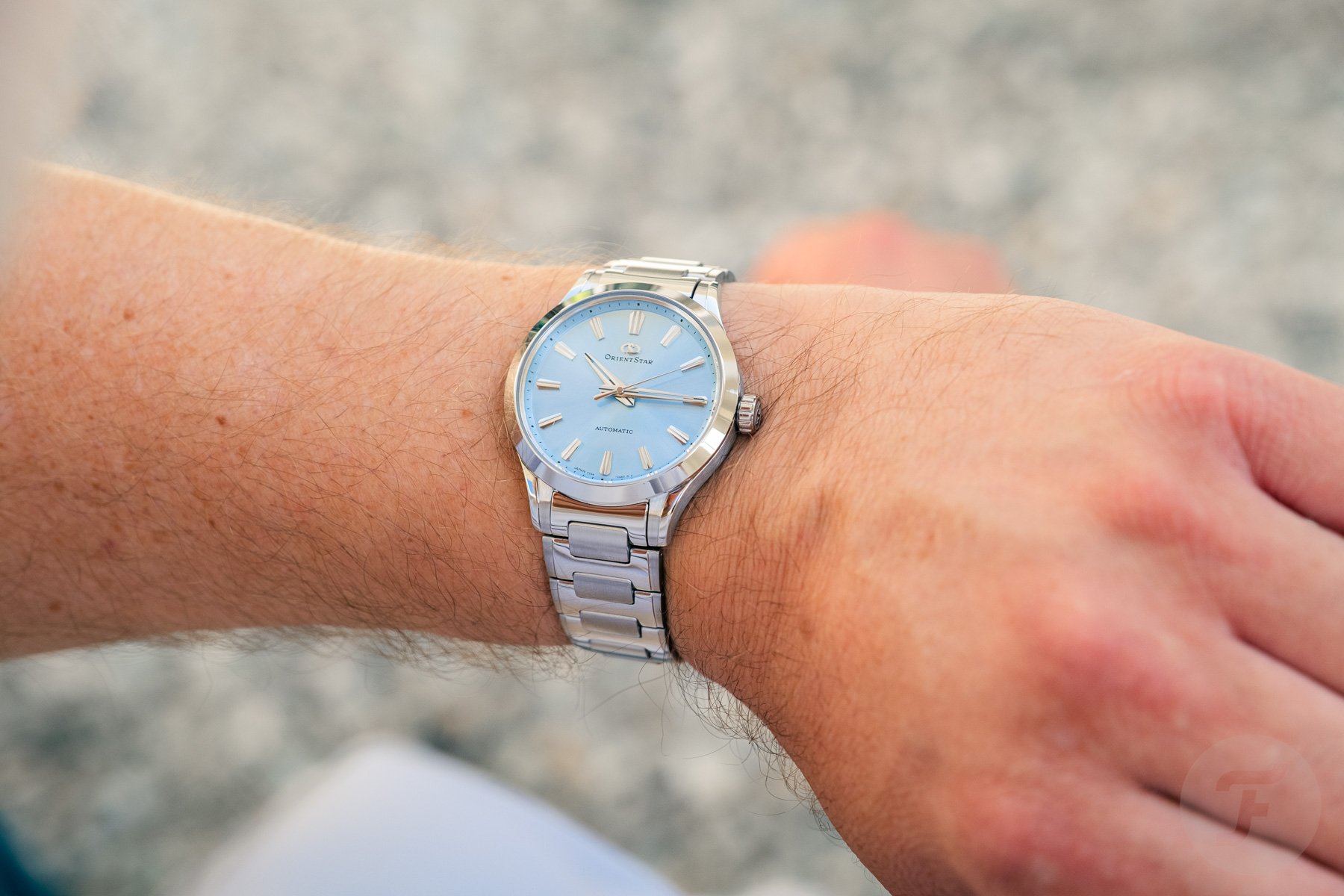
What do you think of the new Sakigake design direction? Does removing the power reserve indicator make Orient Star more appealing, or was that feature part of the brand’s charm? Let us know in the comments below.