“Quartz” Is No Longer A Dirty Word — All Is Forgiven, And It’s Time To Embrace The Battery Or The Solar Cell

When something happened way over half a century ago, it is now time to forgive and embrace. Not to forgive and forget, mind you, but forgive and embrace. With the introduction of the Astron in 1969, Seiko set something in motion that shook the traditional Swiss watch industry to its core. Its existence was in grave danger, but it managed to survive through a change of perspective. Mechanical watches rose above their quartz counterparts, claiming superiority through history, craftsmanship, and storytelling. But after existing for 57 years, quartz has a story to tell. It’s a story of innovation and of versatile practicality. And now, with so many established Swiss luxury brands turning to battery-powered watches, “quartz” is no longer a dirty word.
Fifty-seven years ago, Seiko launched the world’s first quartz watch, changing watchmaking forever. It created a great divide between mechanical and battery-powered timepieces that widened in the decades that followed. But just as Earth’s tectonic plates are constantly moving, the divide between quartz and mechanical watches is starting to close. Japanese brands like Seiko, Casio (G-Shock), and Citizen are still leading the way in cutting-edge quartz technology, but the Swiss are now also developing and launching interesting quartz movements. And they use them not just for entry-level tool-like watches. Cartier, for example, has shown how a solar-powered quartz movement inside a dressy two-hand watch makes perfect sense.
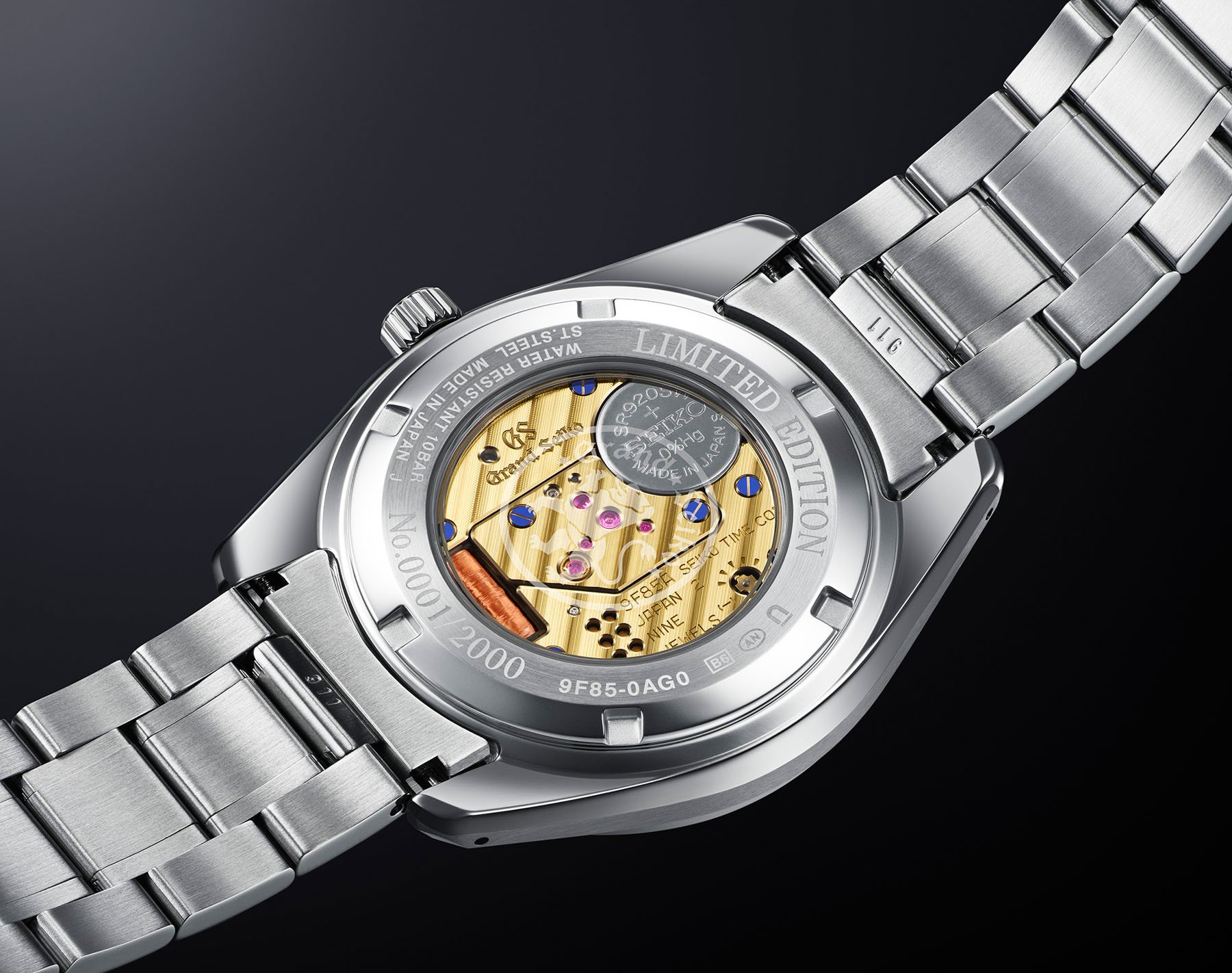
The Grand Seiko SBGP017 44GS 55th Anniversary Limited Edition showing off its quartz movement
“Quartz” is no longer a dirty word
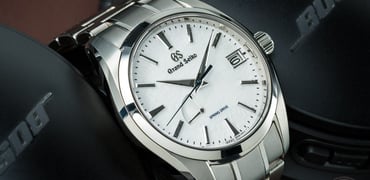
I agree, a quartz movement is not much to look at since it’s a non-moving piece of micro-machinery. A notable exception, though, is the decorated caliber 9F85 visible through the display case back of the Grand Seiko SBGP017 44GS 55th Anniversary Limited Edition. Given Seiko’s history with quartz, it makes sense to put such an important movement on full display. The watch comes with a second bonus, and that’s the way it ticks. As the owner of a Grand Seiko Tough Quartz SBGX341, I can tell you that the way the seconds hand perfectly hits each perfectly finished applied index is a sight for sore eyes. The combination of a robust watch with typical Grand Seiko design features and the brand’s caliber 9F61, a highly advanced, hand-assembled no-date quartz movement, is utter perfection.
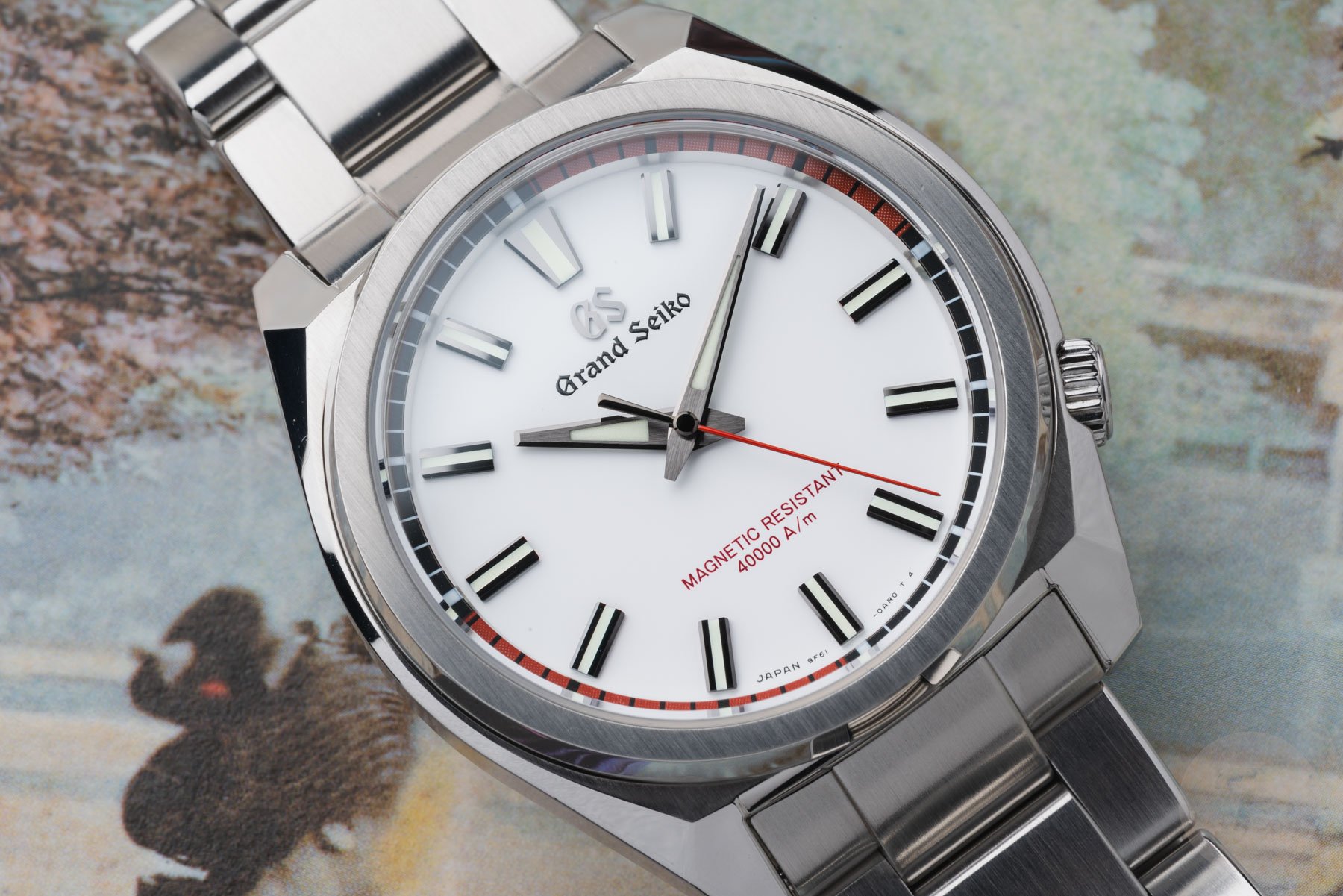
Grand Seiko Tough Quartz SBGX341
Quartz has soul!
Caliber 9F and its derivatives have slowly but surely become a storytelling movement. The 9F61 in my Tough Quartz watch is, for instance, very precise. It’s accurate to within a few seconds per year, using artificially grown, hand-selected quartz crystals that are naturally aged for maximum stability. It’s also outfitted with advanced thermocompensation circuit monitors that adjust for temperature fluctuations 540 times per day, ensuring consistent performance in changing conditions. And to power Grand Seiko’s signature heavy, full-sized, and mirror-polished hands, the movement employs a twin-pulse control motor that provides outstanding torque without compromising precision.
And if all that’s not enough to tell your buddies while enjoying a drink, the movement also features a backlash auto-adjustment mechanism that eliminates any visible vibration or “shudder” of the seconds hand. Grand Seiko builds this movement for durability and thus incorporates a protective shield construction that seals in lubricants while keeping dust and contaminants out. It also provides enhanced resistance to magnetic fields of up to 40,000 A/m and resistance to shocks equivalent to 5,000 g. Unlike conventional disposable quartz movements, the 9F61 is an all-metal, nine-jewel caliber designed to be fully serviceable and precisely regulated by skilled watchmakers. This is no soulless piece of disposable crap; this is a highly refined piece of outstanding microengineering with an enticing backstory!
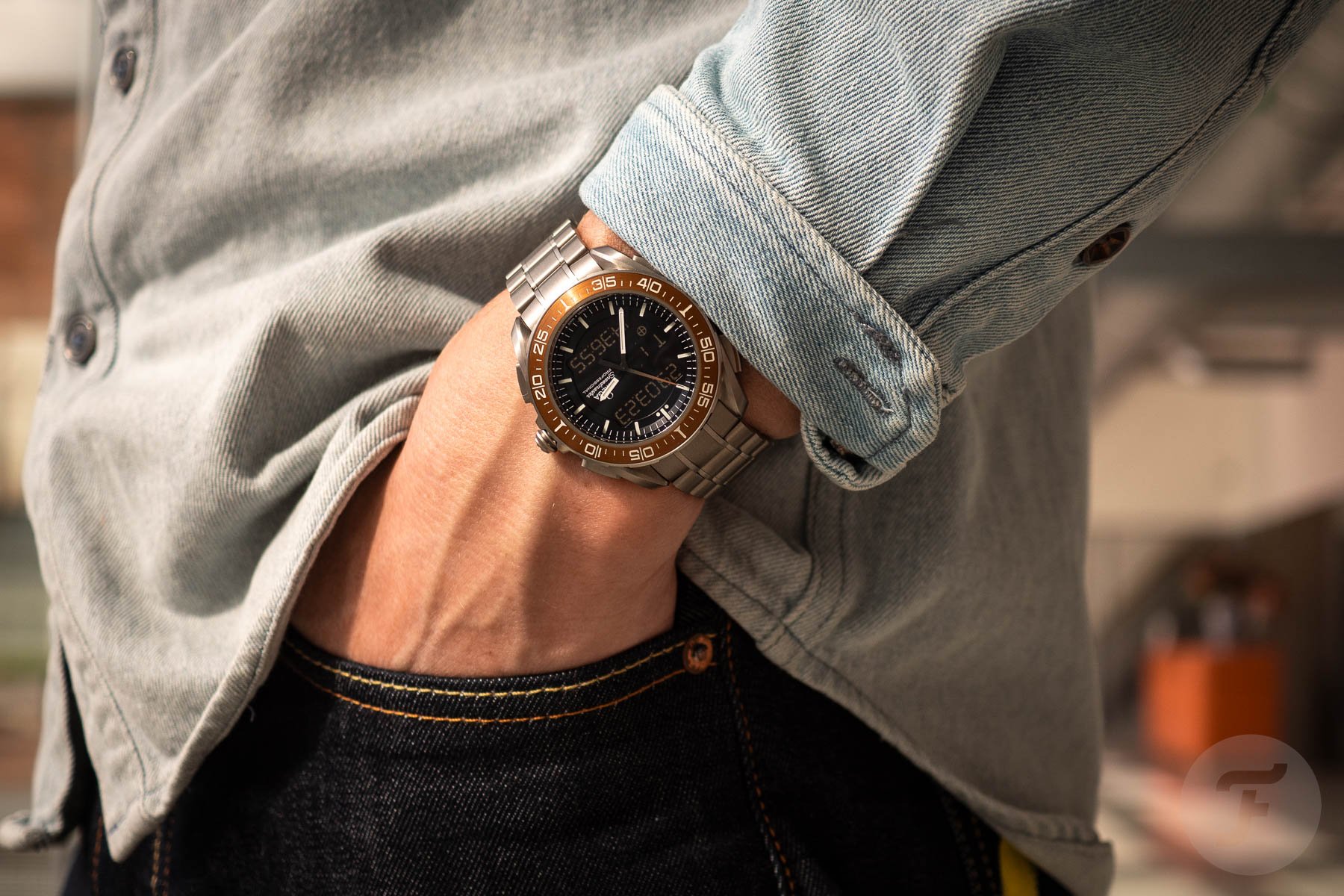
Omega Speedmaster X33 Marstimer
Luxurious Swiss quartz with a raison d’être
The best examples of high-end Swiss quartz watches that have been around for a while are the Omega Speedmaster X-33 and the Breitling Aerospace. But rugged luxury tools aren’t the only quartz watches Swiss brands have been producing — not at all. More affordable brands have been using battery-powered movements for decades, and inside plenty of high-end and jewelry-oriented timepieces aimed at women, the movement of choice is most often a quartz one.
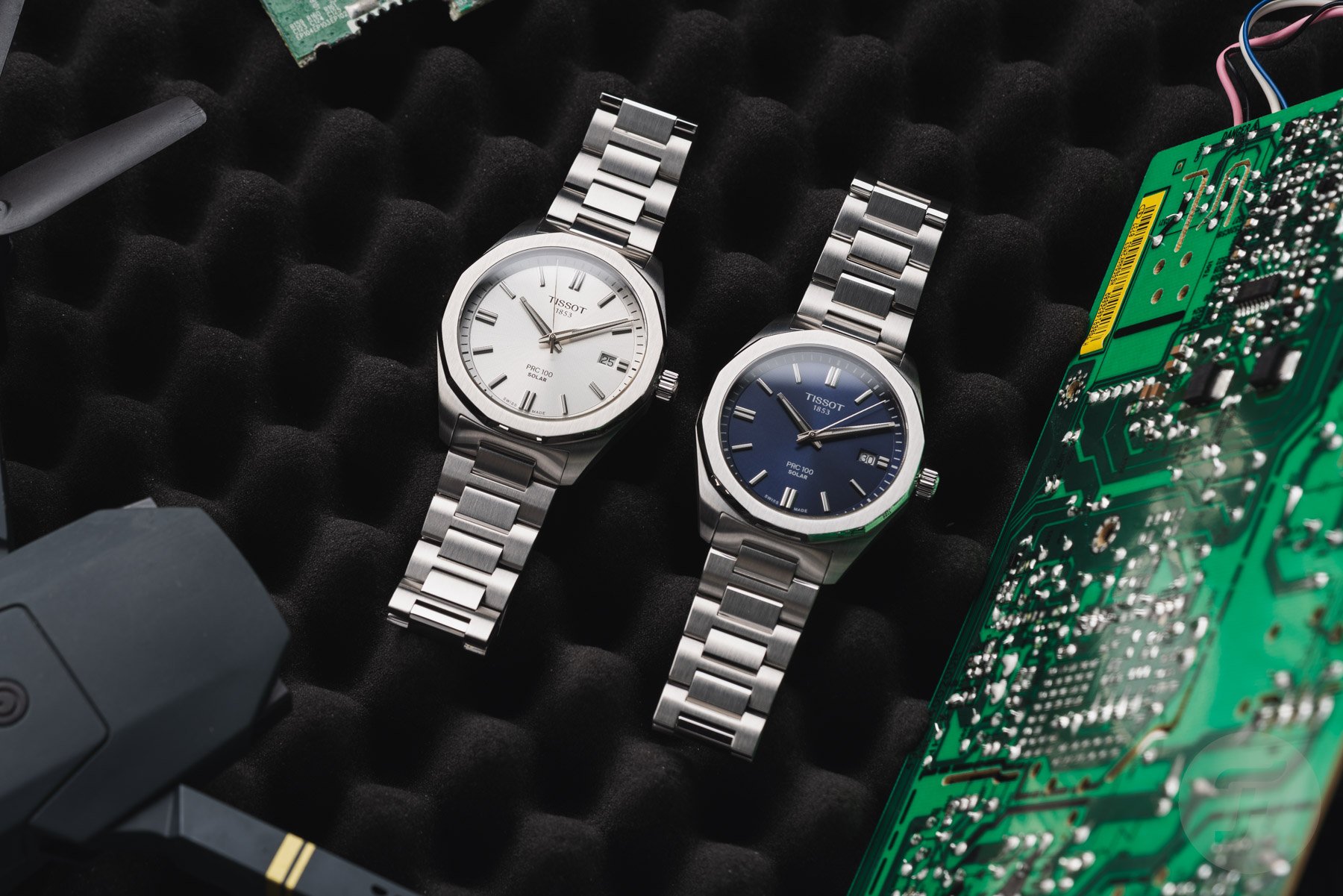
Tissot PRC 100 Solar Quartz
But things are evolving. TAG Heuer has a growing number of references outfitted with the Solargraph movement in its lineup. Also, the 2025 Tissot PRC 100 Solar Quartz is a dressy all-arounder that uses the Lightmaster Movement. And Cartier released the Tank Must with a SolarBeat movement.
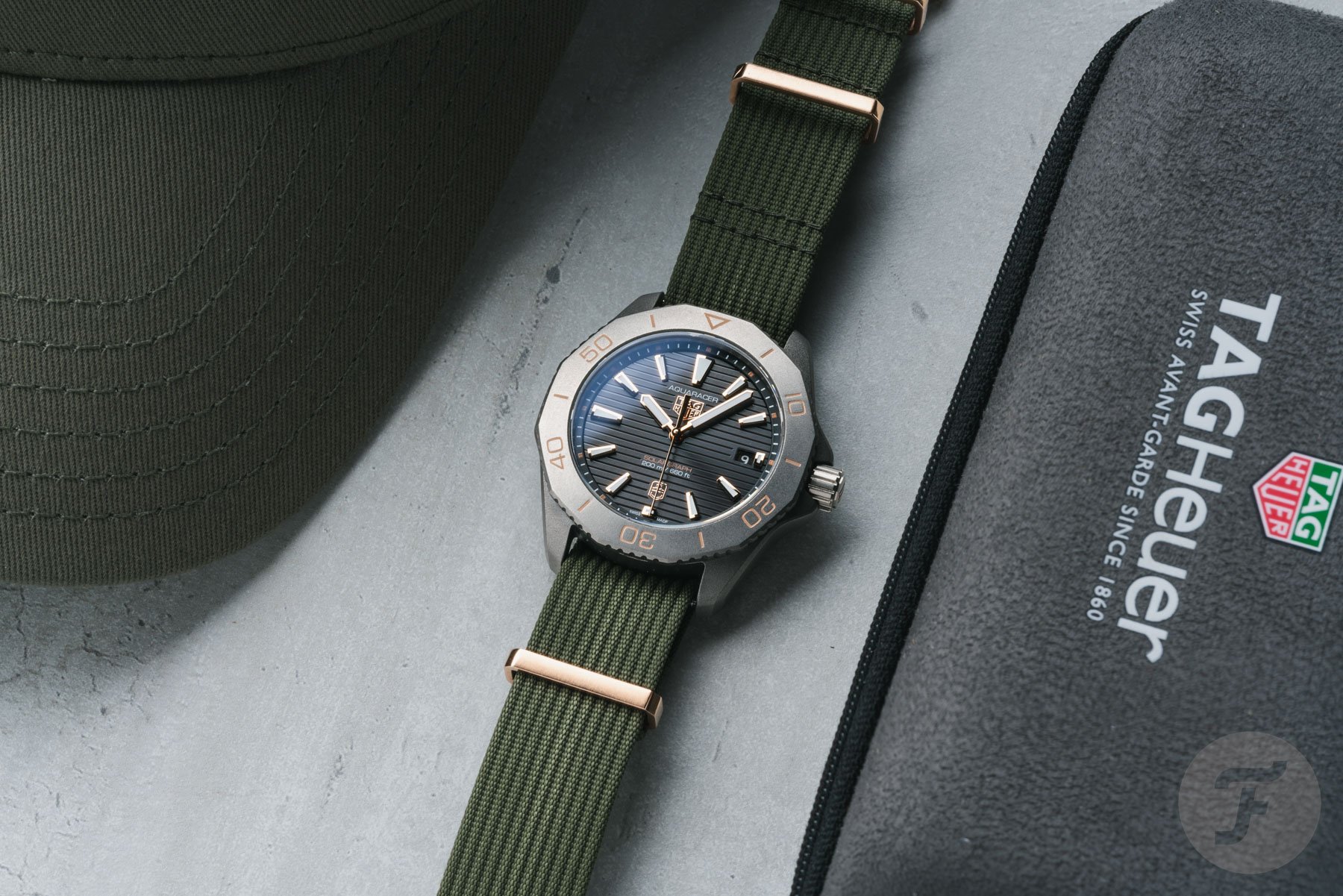
TAG Heuer Aquaracer-Solargraph × TimeTide Sundowner
The TAG Heuer and the Tissot watches can qualify as “affordable.” And whereas the Solargraphs are gateways to the TAG Heuer universe, the PRC 100 Solar Quartz is an expression of Tissot’s technical know-how. The Cartier Tank Must SolarBeat got off to a rocky start in 2021. The updated movement features a newly engineered photovoltaic dial design that significantly improves charging efficiency. In the original version, light could only enter through nearly invisible micro-perforations hidden within the Roman numerals, whereas the redesigned generation allows the entire dial to capture light through an array of micro-perforations across its surface. The movement has also been redesigned, with the solar cells now integrated directly into it itself rather than mounted behind the dial. This refinement provides a more reliable and consistent power supply. Still, the SolarBeat caliber is not the go-to quartz movement at Cartier.
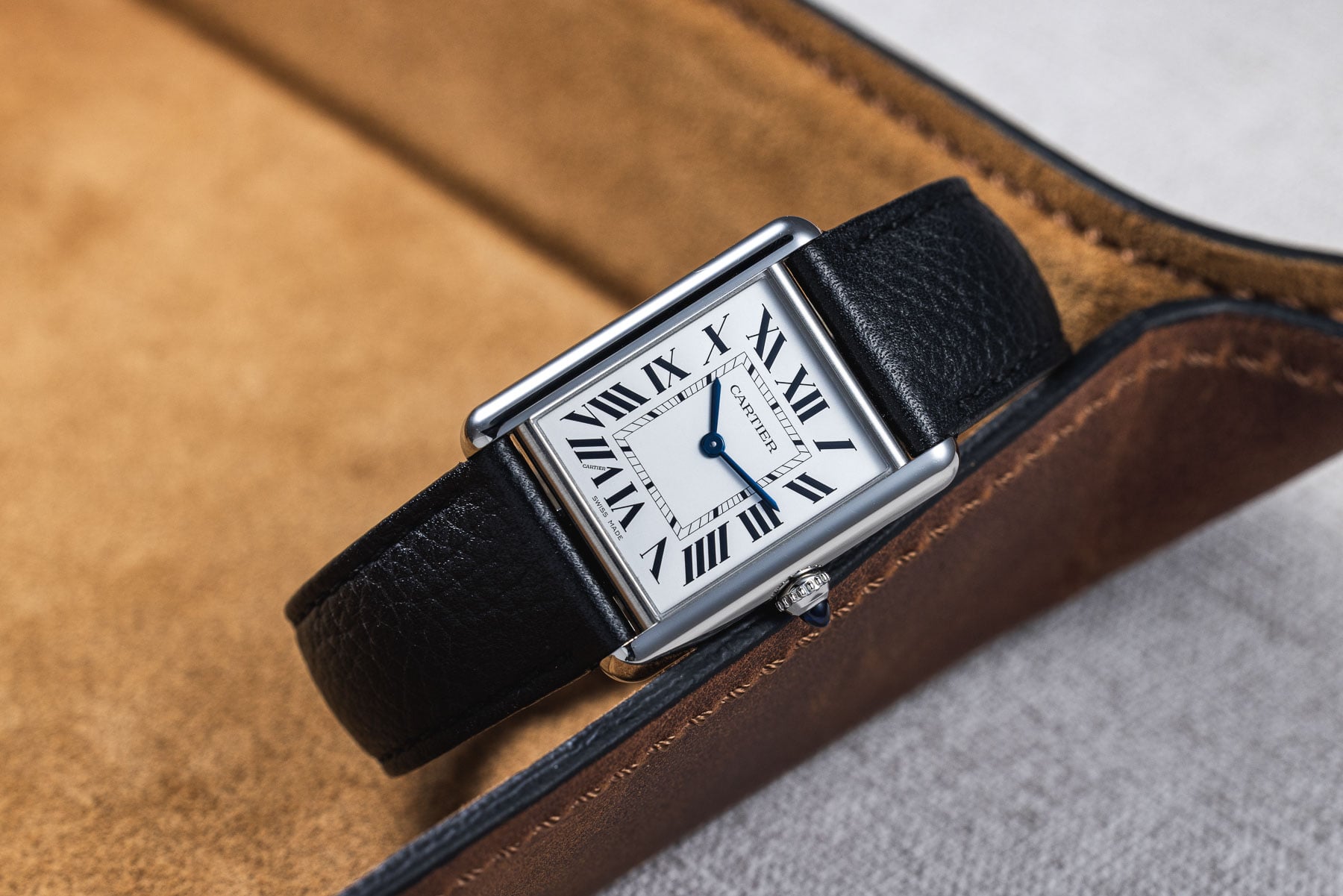
Cartier Tank Must SolarBeat
An endless high-tech love story
It’s too bad that Cartier doesn’t use the SolarBeat movement more. It’s not just potentially more practical than the High Autonomy quartz movements the brand employs. Importantly, like all the other light-powered calibers from the competition worldwide, the SolarBeat movement is also more advanced. The technology has many advantages. But just as a smartphone battery gradually loses capacity over countless charging cycles, the internal energy storage cell of a solar-powered watch gradually loses capacity. This means that, between 10 and 15 years, the storage cell needs to be replaced.
Citizen claims that its Eco-Drive cells often retain around 80% of their original capacity even after 20 years of use. And Cartier’s SolarBeat movement is designed to operate for at least 16 years before requiring its first cell replacement. When the rechargeable power cell eventually wears out after a decade or two, the watch itself is far from obsolete. A watchmaker can replace the capacitor or storage cell relatively easily. It will allow the movement to continue functioning for another 10 to 20 years.
Quartz? Why not?
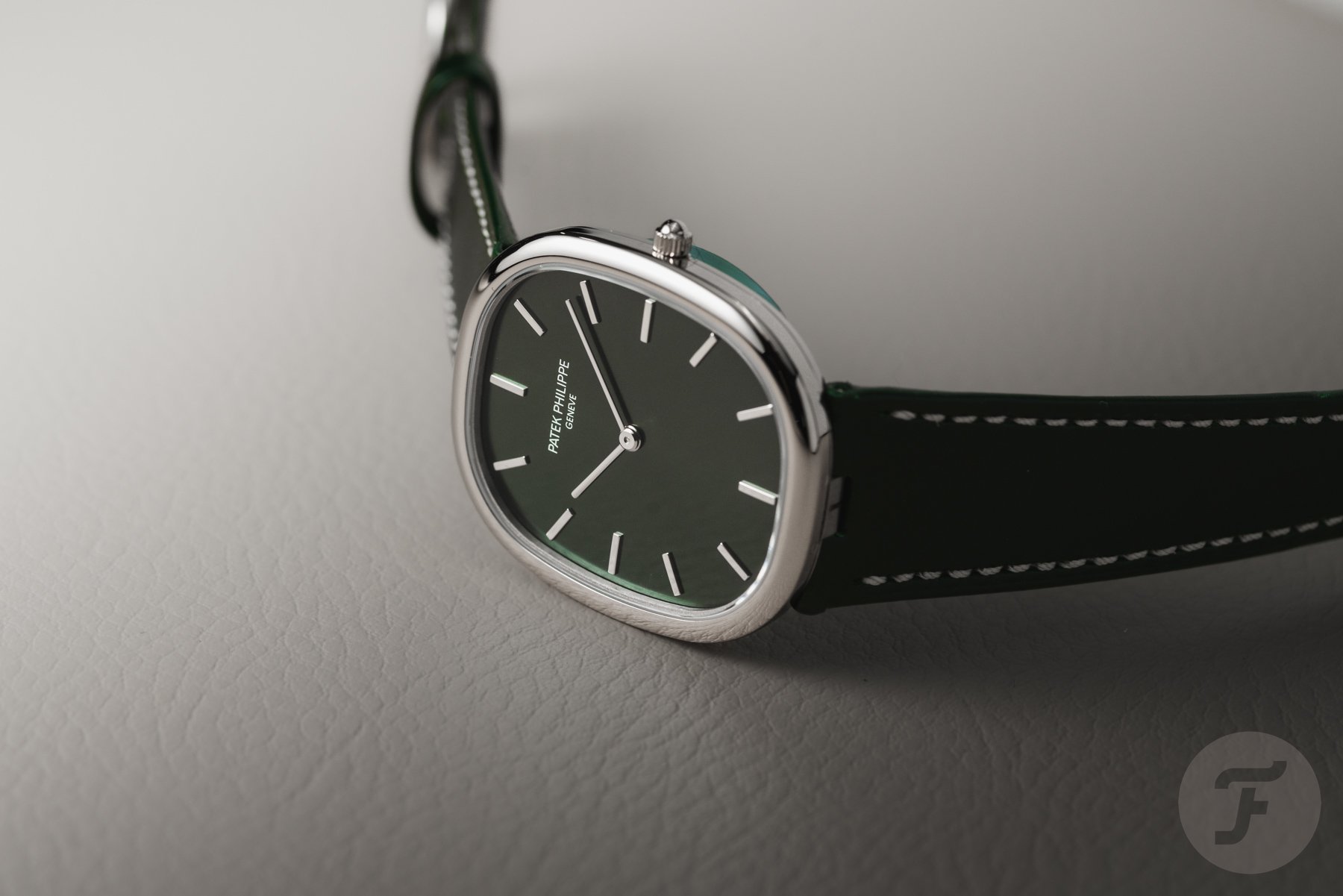
Why not put a quartz movement powering itself via light shining through the dial in a classic, precious-metal dress watch with a prestigious logo? Plenty of famous brands already outfit their female dress watches with quartz movements. When you put such a movement inside a dressy two-hander, it will never show the (unacceptable to some) shocking movement of the seconds hand. A light-powered movement that draws its energy from the dial makes sense for thin dress watches. Most often, it’s not about the movement anyway, as that remains hidden behind an all-metal case back. Traditional ultra-thin creations from Vacheron Constantin, Patek Philippe, Breguet, Blancpain, and a few other respectable Swiss brands would not look different with sophisticated quartz movement. Yes, it’s a wild idea to have a non-mechanical movement inside a traditional gold or platinum dress watch. But would current or future generations of watch buyers mind?
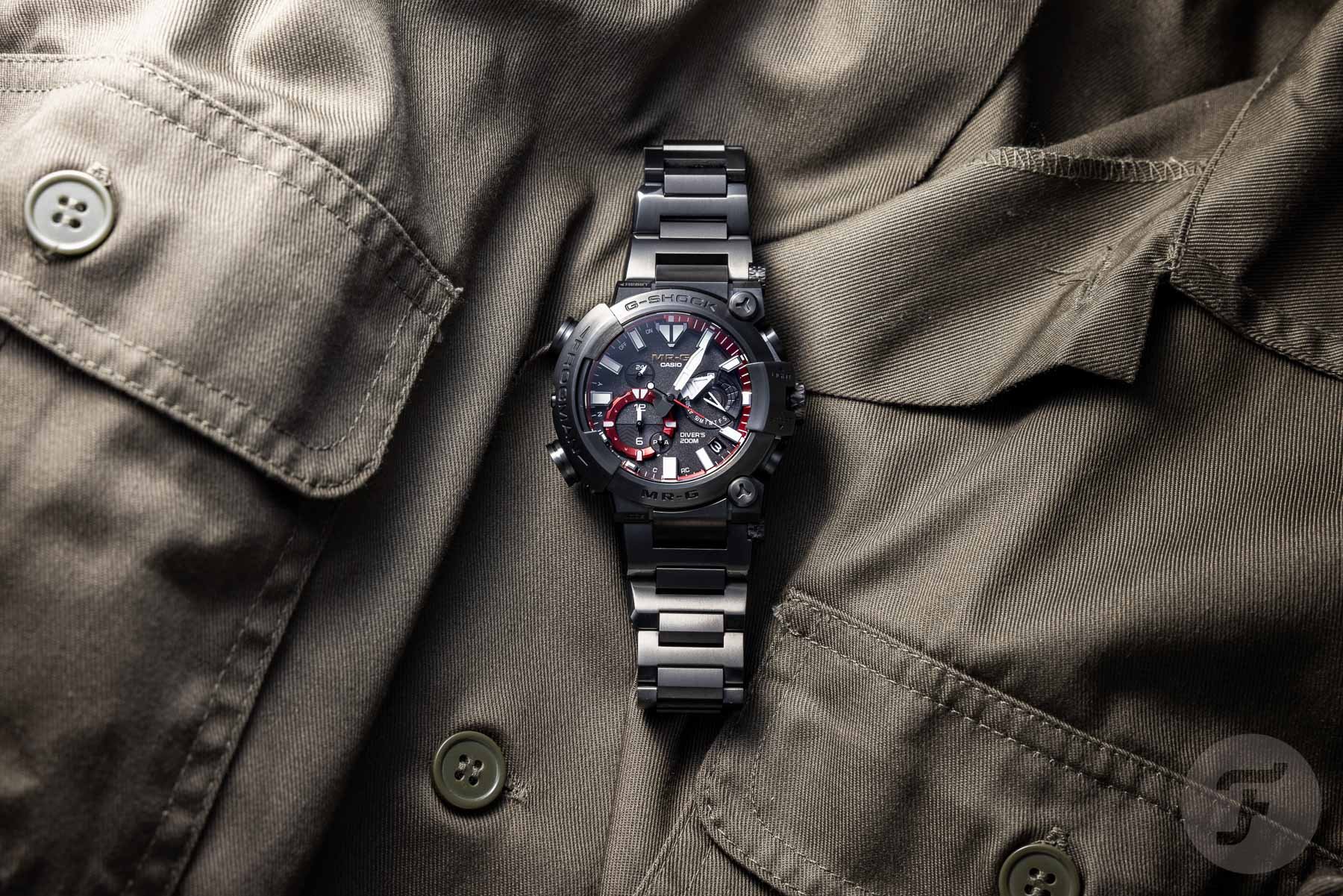
Full-titanium Casio G-Shock MRG-BF1000B Frogman
Maybe a solar-powered Golden Ellipse “Jumbo” won’t appear for another decade. Nevertheless, quartz is no longer just for entry-level timepieces or tool watches. A good example of how quartz watches can evolve is the Casio G-Shock. It started cheap and colorful in the 1980s, and now the brand creates high-end watches you could describe as decorative tools. There’s the full-titanium Casio G-Shock MRG-BF1000B Frogman, for example, or the even more premium 40th Anniversary G-Shock MR-G Shougeki-Maru that costs around US$8,000. It combines traditional Japanese art and tradition with modern technology.
“Quartz” is no longer a dirty word. It has made its way to watch fans who, after forgiving and embracing what happened decades ago, appreciate and even applaud quartz technology. The disdain is largely gone, but would you ever accept a two-handed, light-powered, precious-metal dress watch for a price of, let’s say, US$20,000? Please share your thoughts on quartz in the comments.