Does The New Off-Catalog Rolesium Rolex Cosmograph Daytona Really Have A Grand Feu Enamel Dial?

There’s nothing like a bit of confusion when it comes to terminology used in the description of watches. There’s something better, however — confusion caused by Rolex watches. At this year’s Watches and Wonders, the dial of an exclusive offering caused a bit of a storm in the watch community because of the use of the term “grand feu.” Because storms are only exciting for a limited period, Fratello will end the confusion surrounding the terminology used once and for all. We will answer whether the new off-catalog Rolesium Rolex Cosmograph Daytona has a grand feu enamel dial.
To answer whether a dial is a grand feu enamel dial or not, you must know what that actually is. A grand feu enamel dial is created by fusing powdered glass onto a metal base through 5–15 high-temperature firings at 800–900°C, producing a durable, glass-like surface with distinct depth and color. It’s a delicate process because it’s highly sensitive to temperature and material behavior. Bonding a non-alloy material to an alloy base can cause many dials to crack, warp, or develop imperfections, rendering them unusable. But when successful, the result is a flawless, gleaming surface with a color that will never fade. Yes, grand feu enameling is risky business, but when the transformation of glass and metal leads to a permanent, richly layered dial finish, it’s all worth it. But what if you don’t use metal to achieve a visually similar result and still call it “grand feu”?
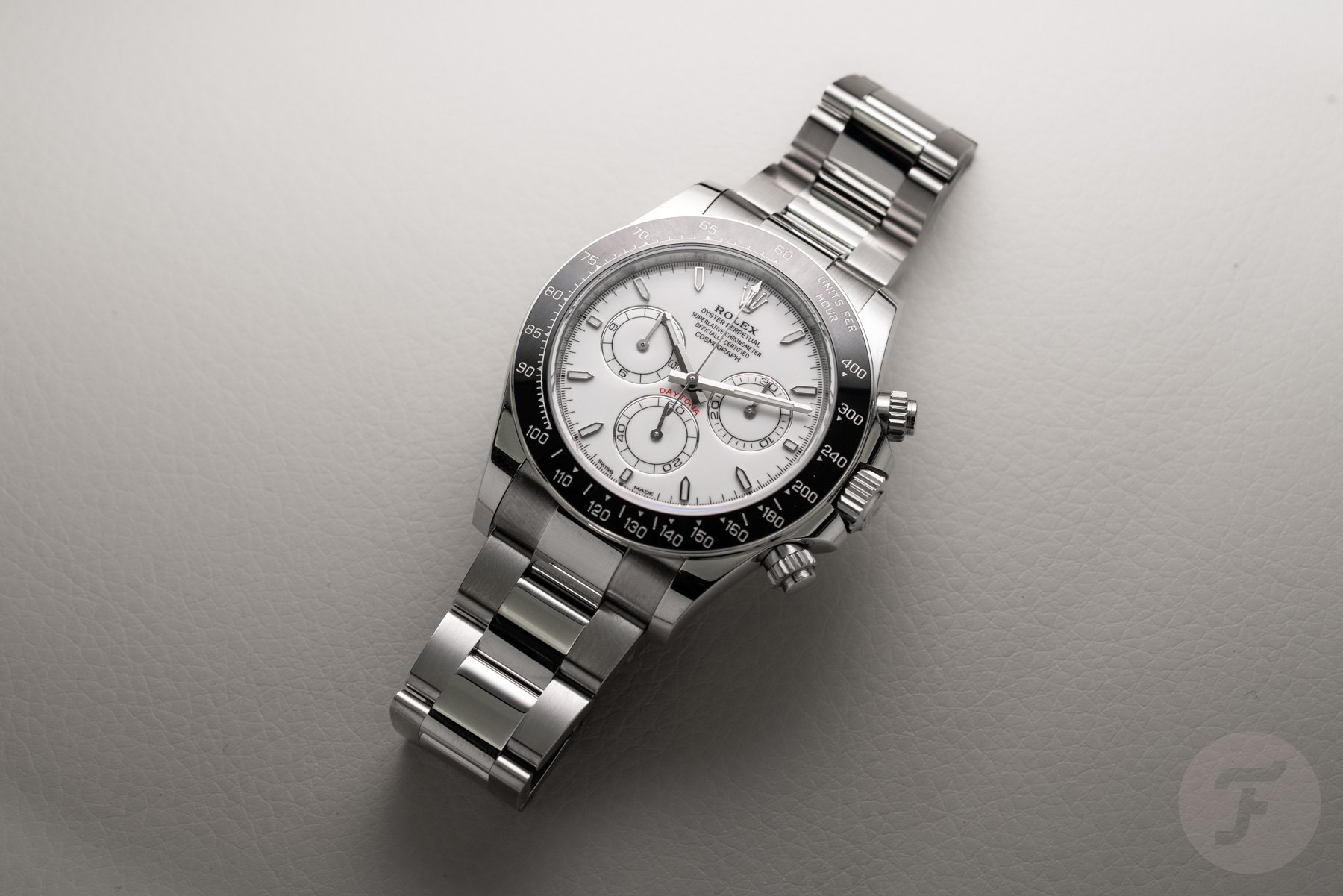
Does the new Rolesium Rolex Cosmograph Daytona have a grand feu enamel dial?
According to Rolex, the new off-collection Rolesium Cosmograph Daytona ref. 126502 has a dial that was “created using the ancestral grand feu technique.” What if this isn’t entirely true? What will happen? Well, apart from a bit of commotion among watch fans, nothing. The term or technique “grand feu” doesn’t have a protected status. “Grand feu” is not like “champagne.” Producers in the Swiss village of Champagne, located in the canton of Vaud, are prohibited from labeling their wine “Champagne.” Following a 2021 court ruling based on a 1999 Switzerland-EU agreement, local producers cannot use the name “Champagne” or “Commune Champagne” because it is reserved for the French sparkling wine region. Villagers argued that their village has used the name Champagne since 885, long before the French sparkling wine region became famous. But despite their efforts, they lost the final legal battle against the French producers’ body, the Comité Champagne.
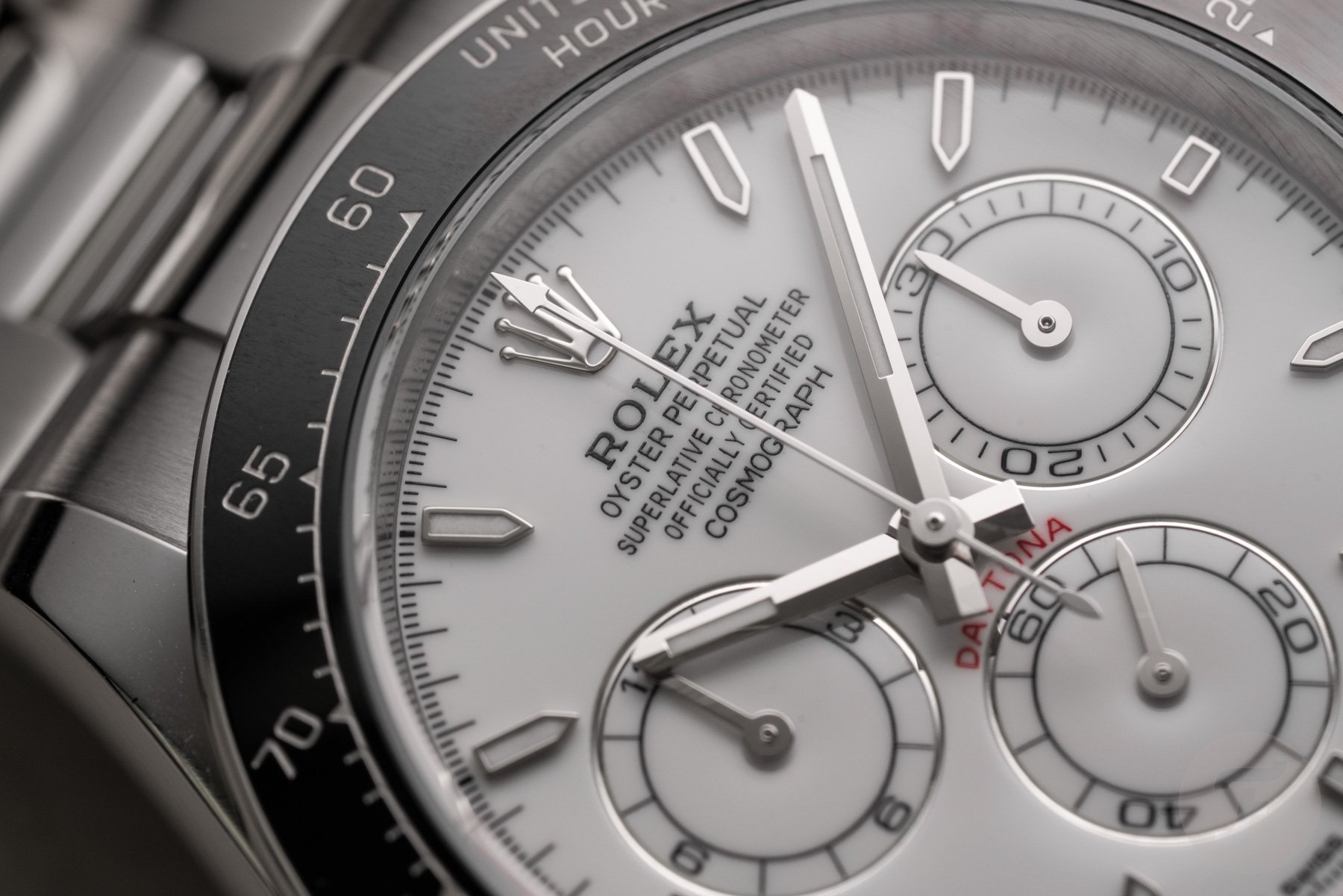
Not artisanal but industrial
Grand feu has no committee fighting its battles, and therefore, the term can be used at will. Having said that, Rolex does not use the term carelessly. The traditional grand feu technique is time-consuming and risky. A watch brand like Rolex is not an artisanal operation but a full-blown industrial one. Rolex is also an innovator. The company constantly moves forward in the development of movements, for instance. A good example is last year’s big Rolex novelty, the Land-Dweller, with its new Dynapulse escapement. Last year, the GMT-Master II “Sprite” with its green Cerachrom dial debuted. Interestingly, Rolex produces its first Cerachrom dial much the same way it creates its dials in natural stone. It’s similar because the stone or ceramic material disc is fitted onto a brass plate. This year, no new Cerachrom dial appeared. Why? We can only guess because Rolex doesn’t answer questions like that.
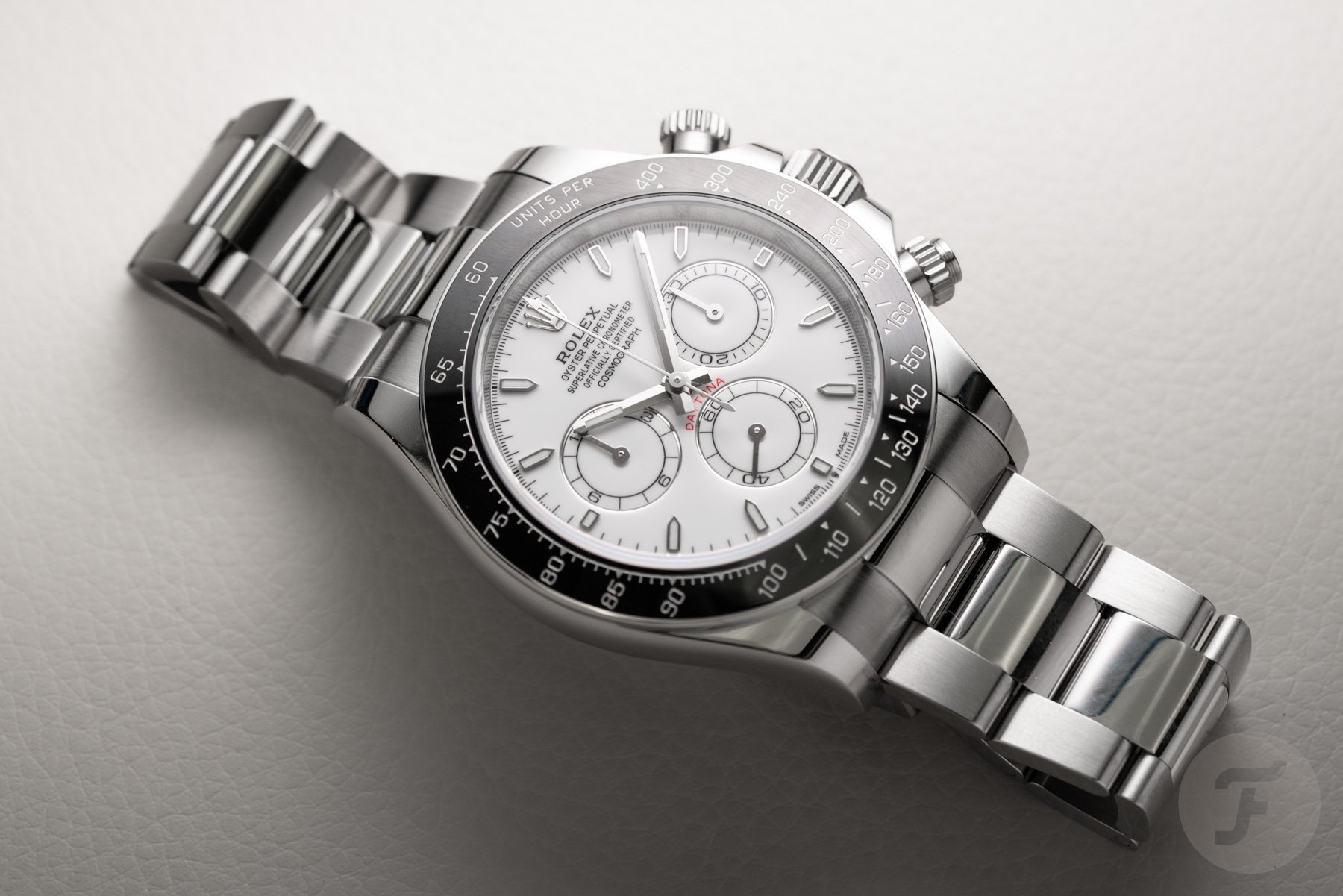
Instead, the Crown released an arguably better-looking enamel one and called it a grand feu dial. It looks like one, but it isn’t made like a traditional one. Instead of fusing powdered glass onto a metal base, it uses ceramic plates, with one for the dial itself and three for the sub-dials. After the vitrification firing process, which is much easier to control because there’s no fight between materials — glass and metal expand and contract at different rates when exposed to heat — that don’t really like each other, the final enamel dial is fitted to a brass base and put inside the watch.
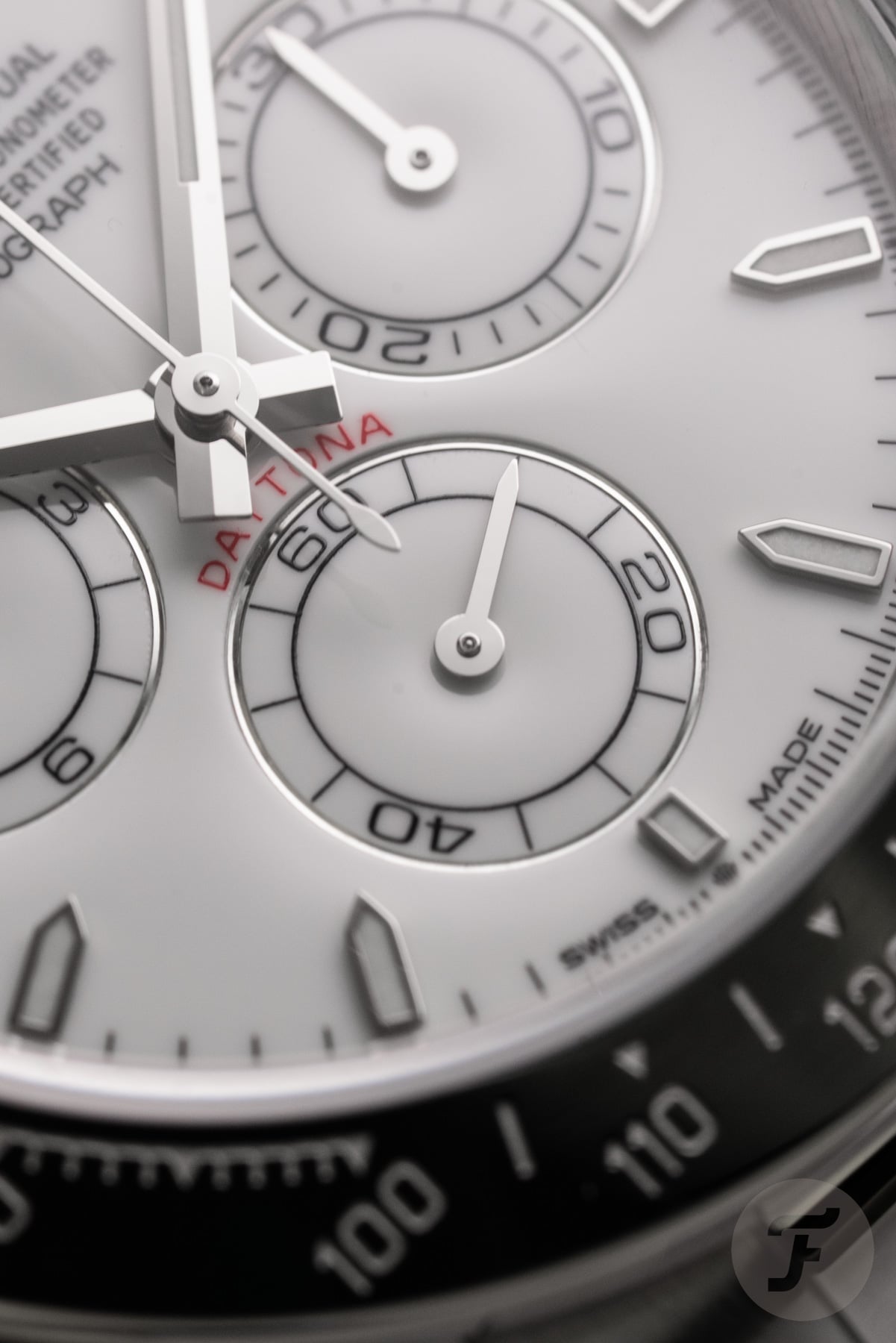
Grand Feu 2.0
Now, the price of a watch with an old-fashioned enamel dial is determined by many manual steps. One of those time-consuming steps is to manually apply a layer of enamel to the back of the alloy base to reduce the risk of cracking during firing. That is not the Rolex way. Creating an enamel dial through a risk-free, perfectly controlled process so that the dial can’t warp, crack, or even shatter, however, is. And that’s what Rolex did. The company came up with a way to create a traditional-looking (grand feu) enamel dial by evolving the manufacturing process.
Should Rolex have named it anything but grand feu? Well, the Comité Grand Feu is not a thing, so it can not take legal action. But since Rolex names a lot of stuff differently, probably so. If you can come up with “testimonee” for “ambassador” and a term like “Rolesium” (more about that later), finding a Rolex-infused name for an enamel dial isn’t the hardest thing to do. Maybe because everything centers around a manufacturing process, Rolex didn’t think it would cause a (small) stir to call the new Daytona’s dial “grand feu.”
A few words on the Rolesium Daytona
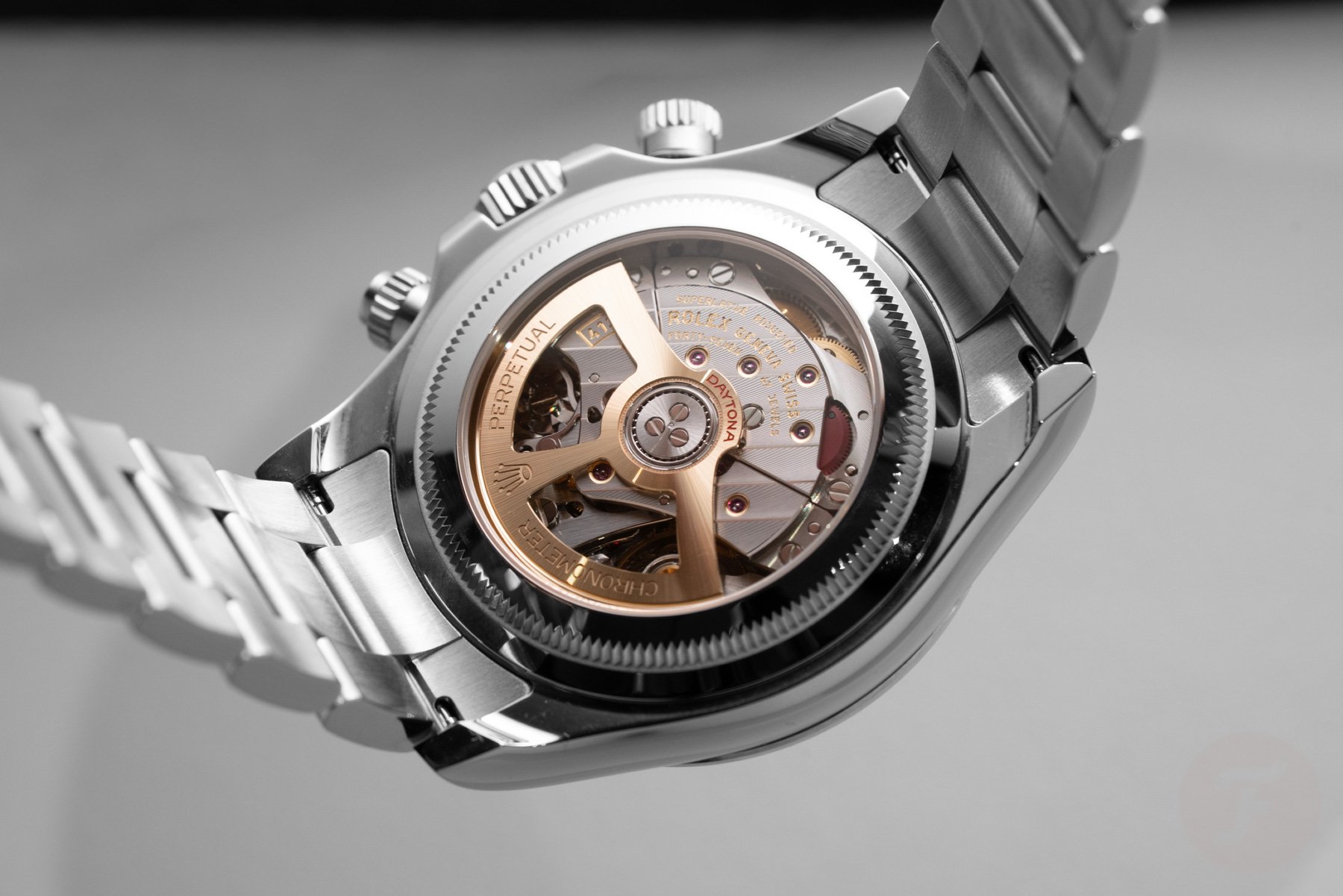
Apart from the enamel dial, the new Daytona ref. 126502 also features some other interesting features. This off-catalog Daytona features the same 40mm diameter and uses the Rolex caliber 4131 beating behind a transparent case back. The bracelet and case are Oystersteel, but since it is a Rolesium Daytona, there’s also platinum involved. The platinum accents that make this a Rolesium watch are the bezel frame and the non-sapphire portion of the case back. The gray bezel insert is also a bit different. It’s made of an entirely new composite enriched with zirconia and tungsten carbide. Also, the tachymeter scale has been restyled. The numerals are now in a new, contemporary font and placed vertically rather than horizontally, which is a first for an in-house Daytona. One last thing: the new Rolex Cosmograph Daytona Rolesium ref. 126502 is part of the off-catalog collection and costs €56,160 — only if you can secure one through the brand, of course.
A big thank you to King Flum and his write-up on this topic here.
More controversy
Just when I thought I was out, they pull me back in. While writing and researching this article, I came across something else involving one of Rolex’s latest novelties. Please take a look at the following image.
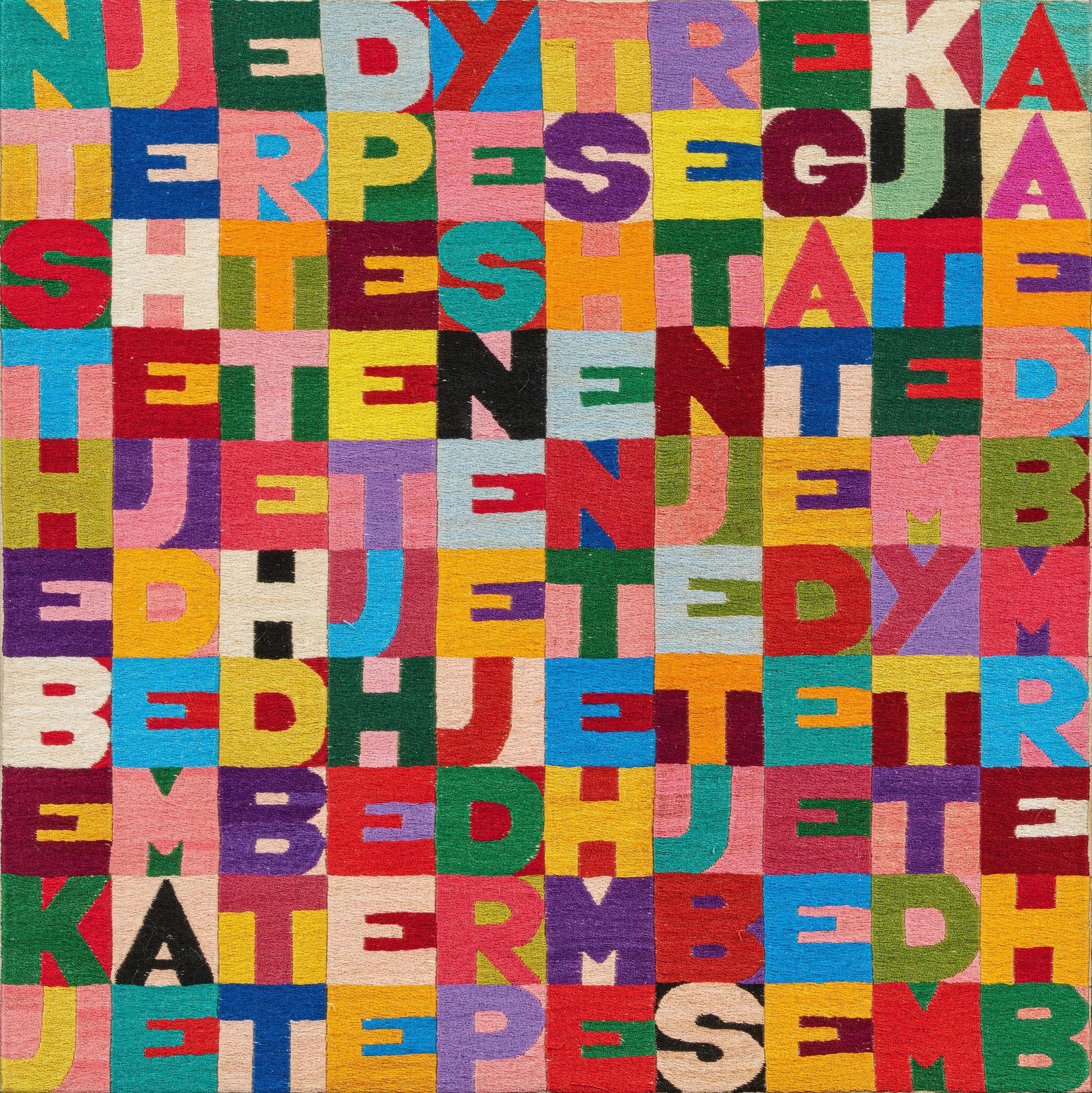
Tavole pitagoriche (Albanese), Alighiero Boetti (1990)
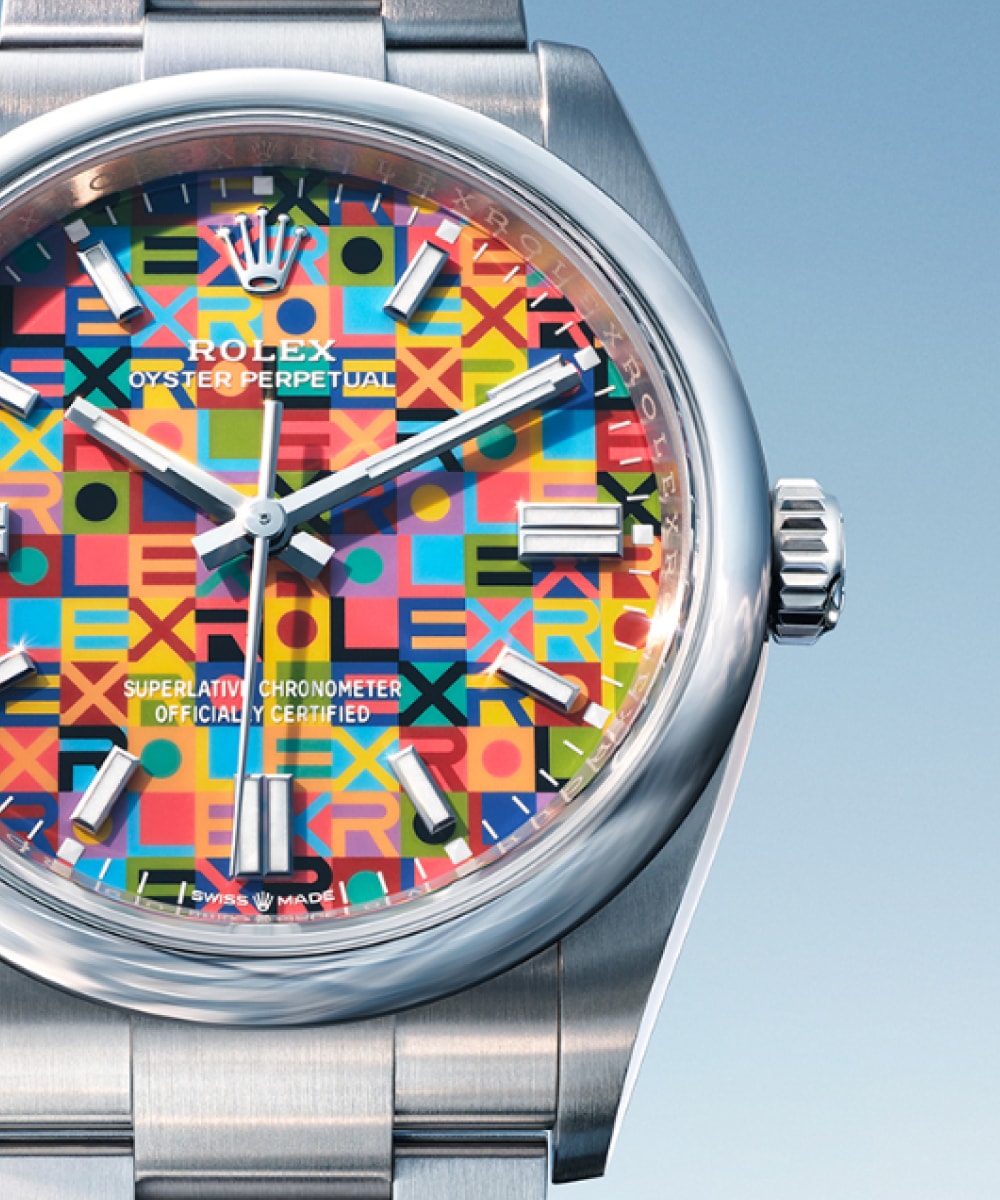
What you just saw is Tavole pitagoriche (Albanese), created by Alighiero Boetti in 1990. Boetti is considered one of the most important Italian artists of the 20th century, who had a profound influence on Arte Povera, or Impoverished Art. The embroidered pictures he created in Afghanistan and Pakistan are among his most distinctive works. And now be honest with me: did you think you were looking at a close-up of the latest Oyster Perpetual with its colorful Jubilee-motif dial? As I wrote before, there’s nothing like a bit of confusion when it comes to terminology used in the description of watches. And any confusion and controversy caused by Rolex watches is even better.
You can tell me in the comments section below, and I would also like to hear your thoughts on the Daytona with its enamel dial and platinum accents. Is the discussion about grand feu one worth having? And what do you think of the €56,160 price? Do the Grand Feu 2.0 enamel dial and the platinum accents justify the price of this exclusive, off-catalog Daytona?