The Rolex Submariner: Five-Digit Or Six-Digit — Which Side Are You On?

Even before I got into watches in the second half of the 1990s, I knew what a Rolex Submariner was. It’s such an iconic model, a watch you’d see on the big screen and around you. To me, the Submariner was perhaps the most recognizable Rolex, aside from a Datejust.
One of the things that makes Rolex such an incredibly strong brand is that the same references stay in the collection for a relatively long time. Rolex kept some models in production for remarkably long periods; the Submariner 5513, for example, remained in the catalog for nearly 30 years. The Submariner 16610 was in production from 1988 to 2010 without any significant changes.
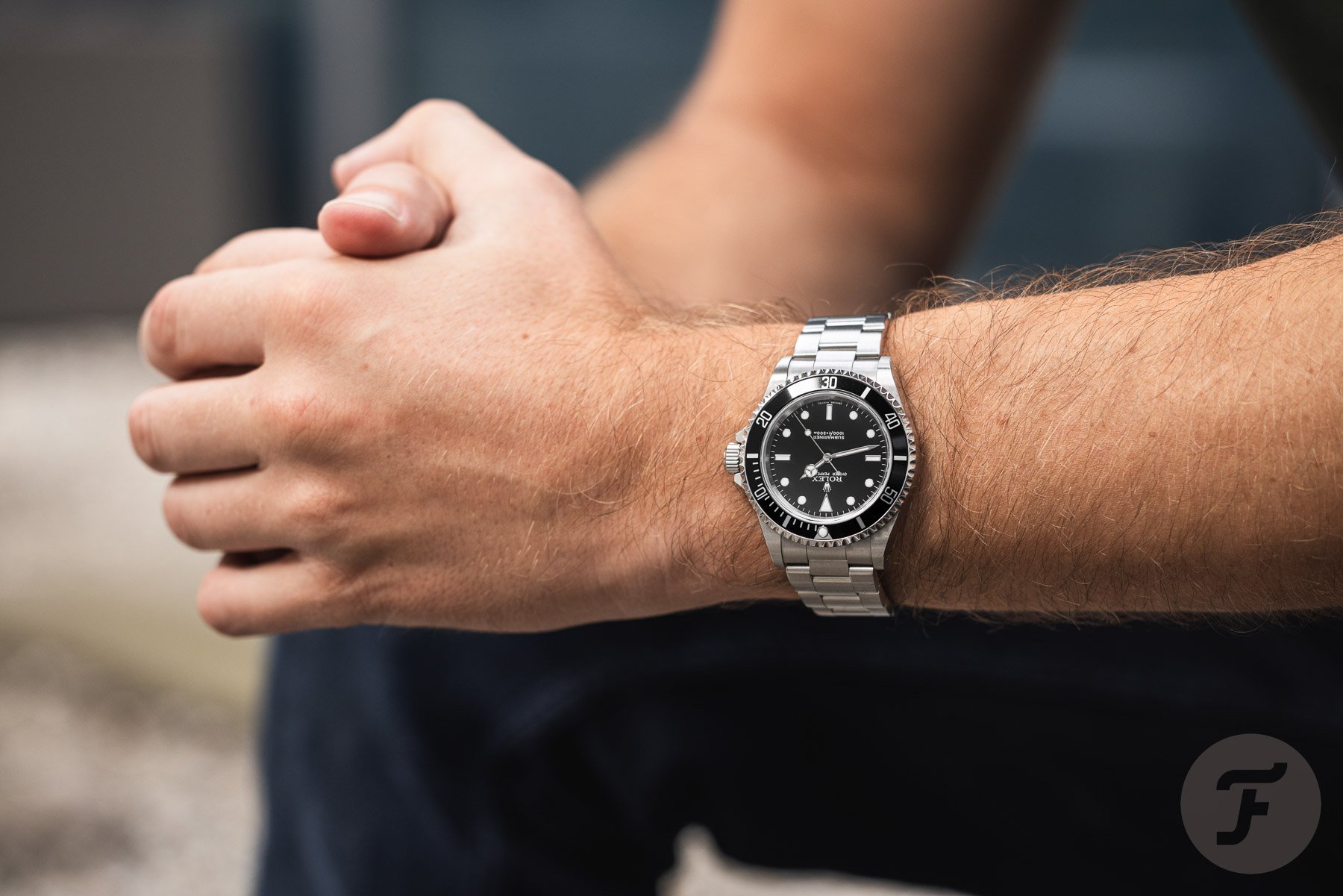
Rolex Submariner ref. 14060
Five-digit Submariner history
The first Rolex Submariner with a five-digit reference number, however, was the 16800. Rolex introduced this watch in 1979, one year after launching the first five-digit Sea-Dweller, the 16660. The Submariner 16800 was the first one to have a sapphire crystal and the then-new caliber 3035.
Then came the Submariner 168000. Rolex produced this reference for only a short period, creating one of the most intriguing transitional references in the model’s history. Although the additional zero technically gives it a six-digit reference number, the watch simply bridges the gap between generations. It also marked another important milestone: Rolex equipped the 168000 with 904L steel, replacing the 316L steel used in previous Submariners. 904L-grade steel is more resistant to corrosion but also much more expensive to process (we did a full story on 904L steel here).
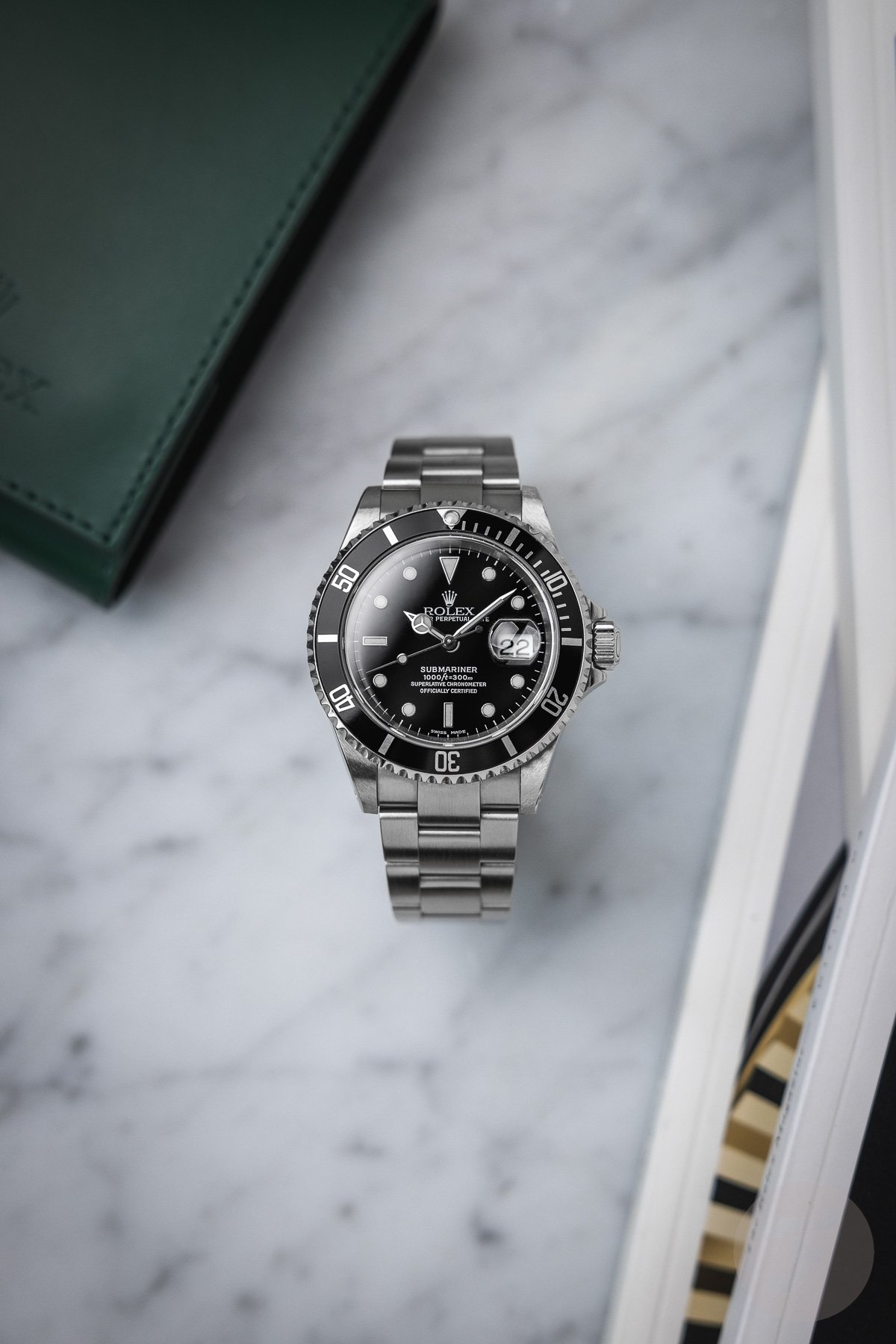
Rolex Submariner ref. 16610
Not long after, in 1988 (some sources claim an earlier date, but that contradicts the debut year of the 3135 movement), Rolex introduced the Submariner 16610. In 1990, the brand also replaced its Submariner 5513 (no date) with the 14060.
Reference 16610 used Rolex’s caliber 3135, a chronometer-certified movement with a date. The Submariner 14060 initially housed caliber 3000, a non-chronometer-certified movement. However, in 1999, Rolex updated the movement to caliber 3130, which featured a Breguet overcoil hairspring and a balance bridge, replacing the balance cock used in the previous movement. The reference number changed to 14060M.
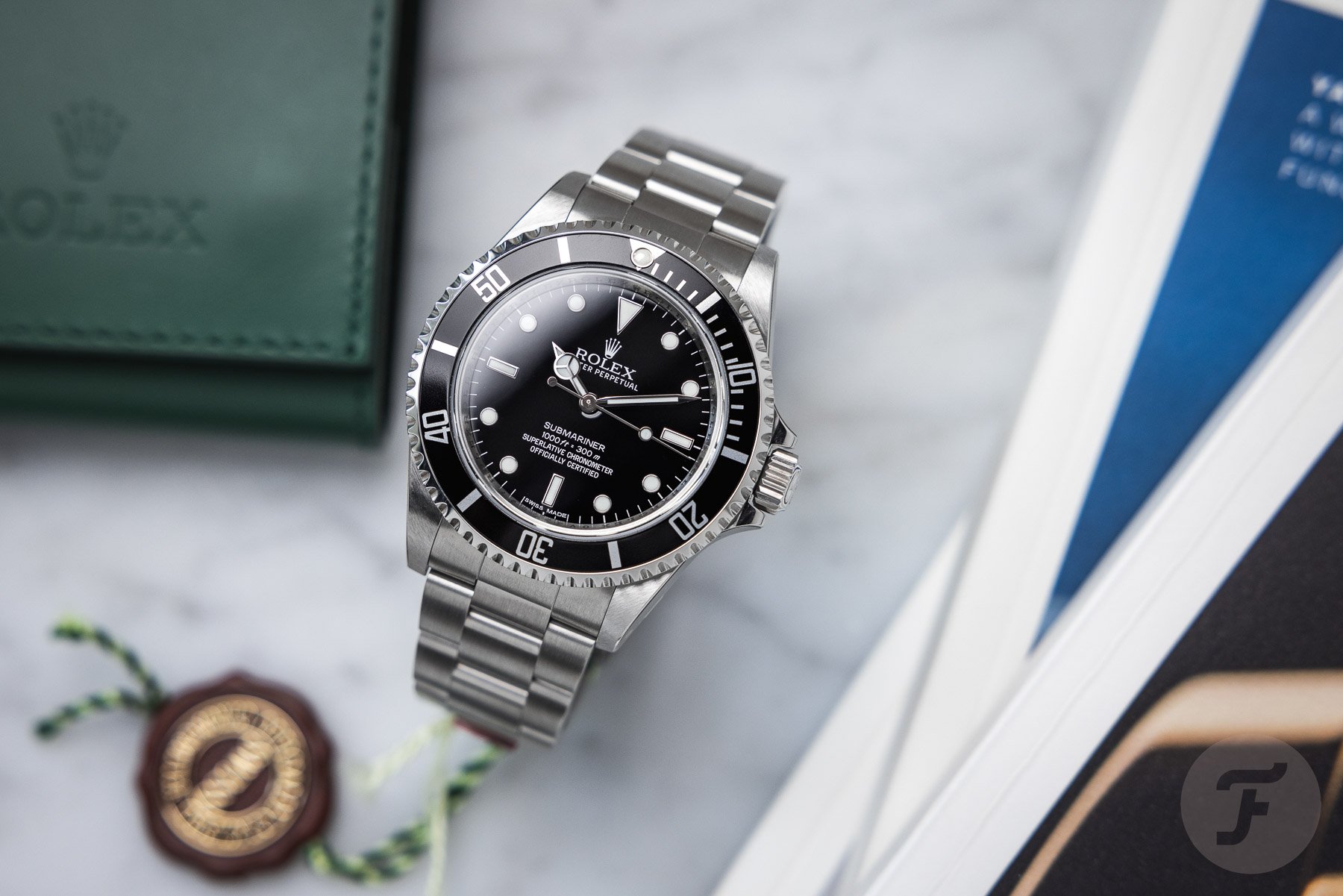
Rolex Submariner ref. 14060M
Collectors long knew this model as the Submariner “two-liner,” as Rolex limited the text at 6 o’clock to just two lines — “Submariner” and “1000ft = 300m.” That changed in 2007, when Rolex added “Superlative Chronometer” and “Officially Certified,” turning the 14060M into the “four-liner.” The movement did not change; Rolex simply had it certified by COSC as a chronometer.
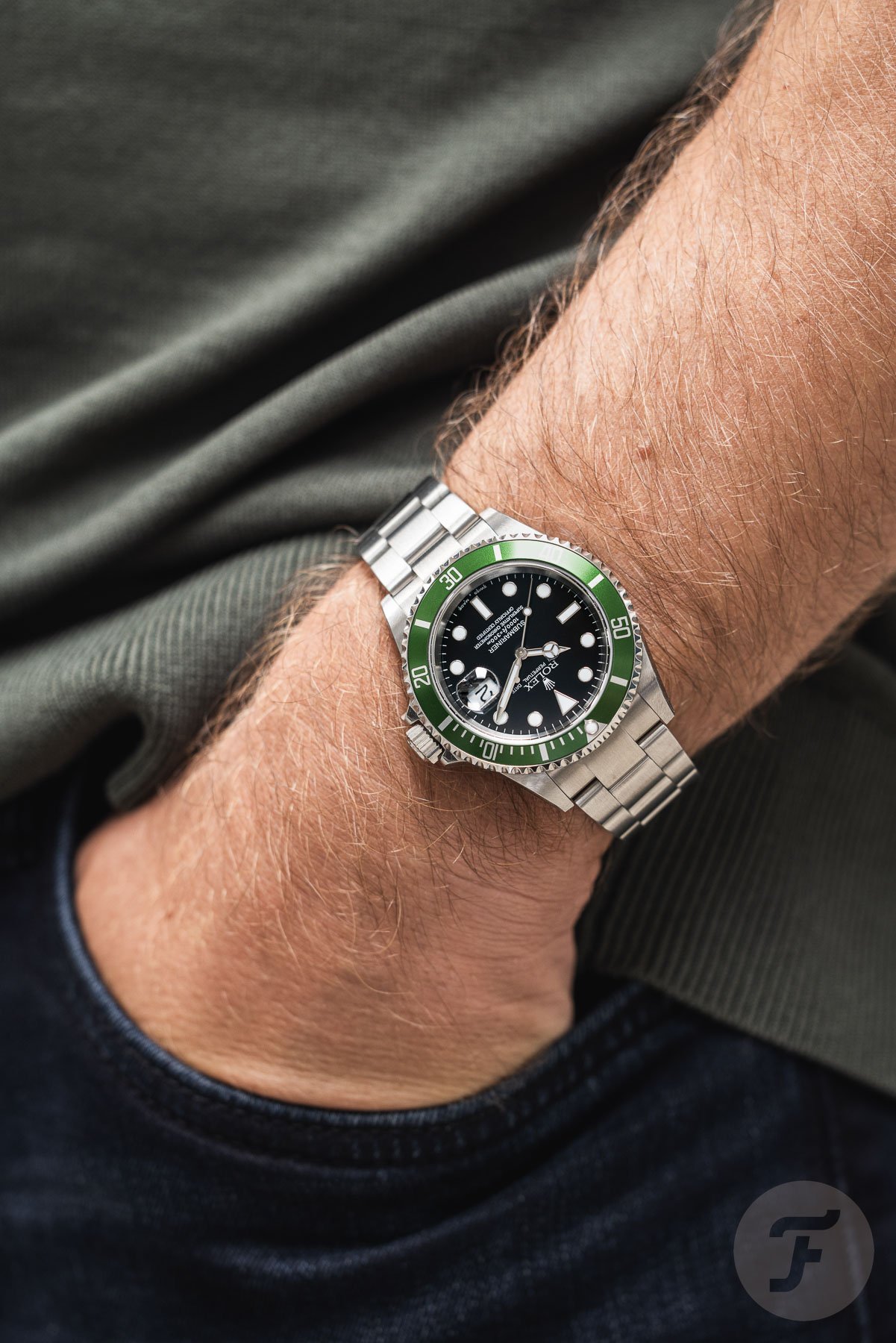
Rolex Submariner ref. 16610LV
The Kermit
Meanwhile, in 2003, the Submariner (Date) 16610 received a sibling. To mark the Submariner collection’s 50th anniversary, Rolex introduced a new reference with a green bezel, the 16610LV. This model, also known as the “Kermit,” features a “maxi” dial with larger lume plots. The most famous is the version with its “flat four” bezel, referring to the top of the “4” (40), which is found only on the first 16610LVs.
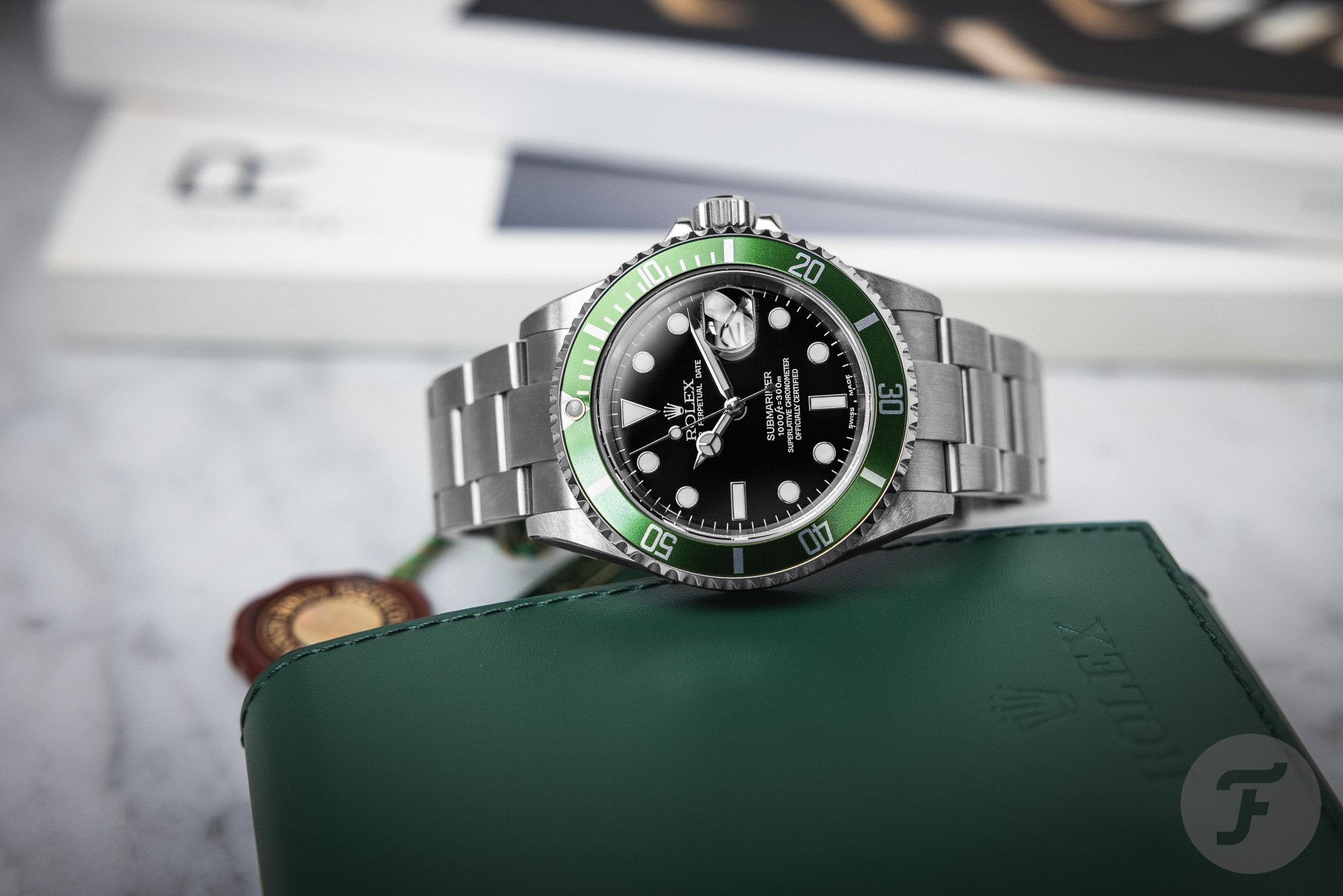
Rolex Submariner ref. 16610LV “Flat Four”
The regular Rolex Submariner 16610 saw a few changes during its long production run, including the loss of lug holes (2003), the addition of a Rolex-engraved rehaut (2005), and the transition from tritium to Super-LumiNova (1998).
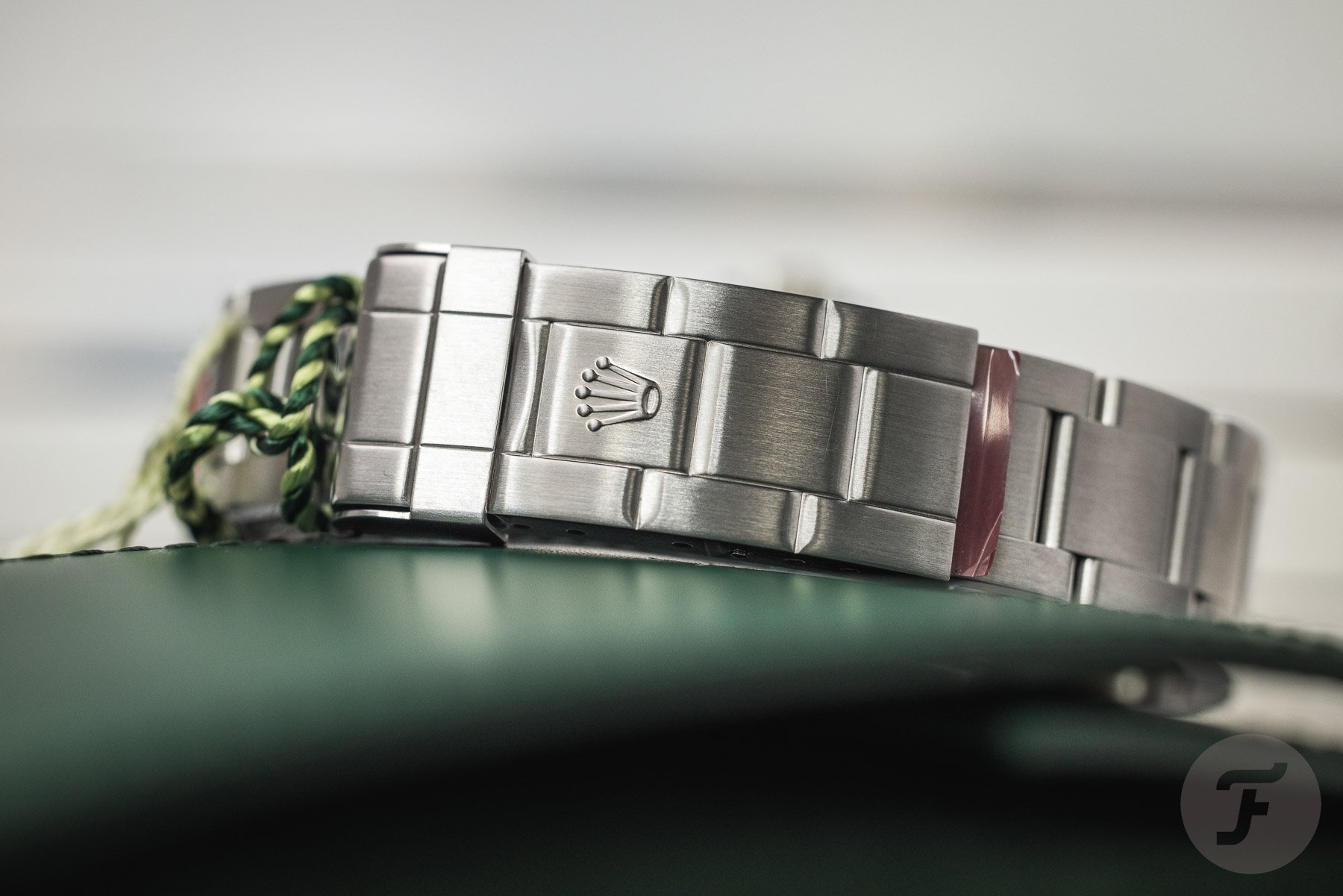
Stamped clasps up to 2010
Improvements over time
However, these changes applied to nearly all Rolex sports watches at the time. Rolex made another noticeable improvement around 2000 by equipping the bracelet with solid end links, or “SEL,” as collectors often call them. That said, to the untrained eye, the five-digit Rolex Submariner models didn’t change much visually, which is perhaps why they were so recognizable to the masses. Towards the end of the production of these models in the late 2000s, watch enthusiasts (including me) were criticizing Rolex a bit for its lack of improvement, mainly in the bracelet. The stamped clasp, although it did its job perfectly, didn’t fit well into that day and age and was surpassed by the competition.
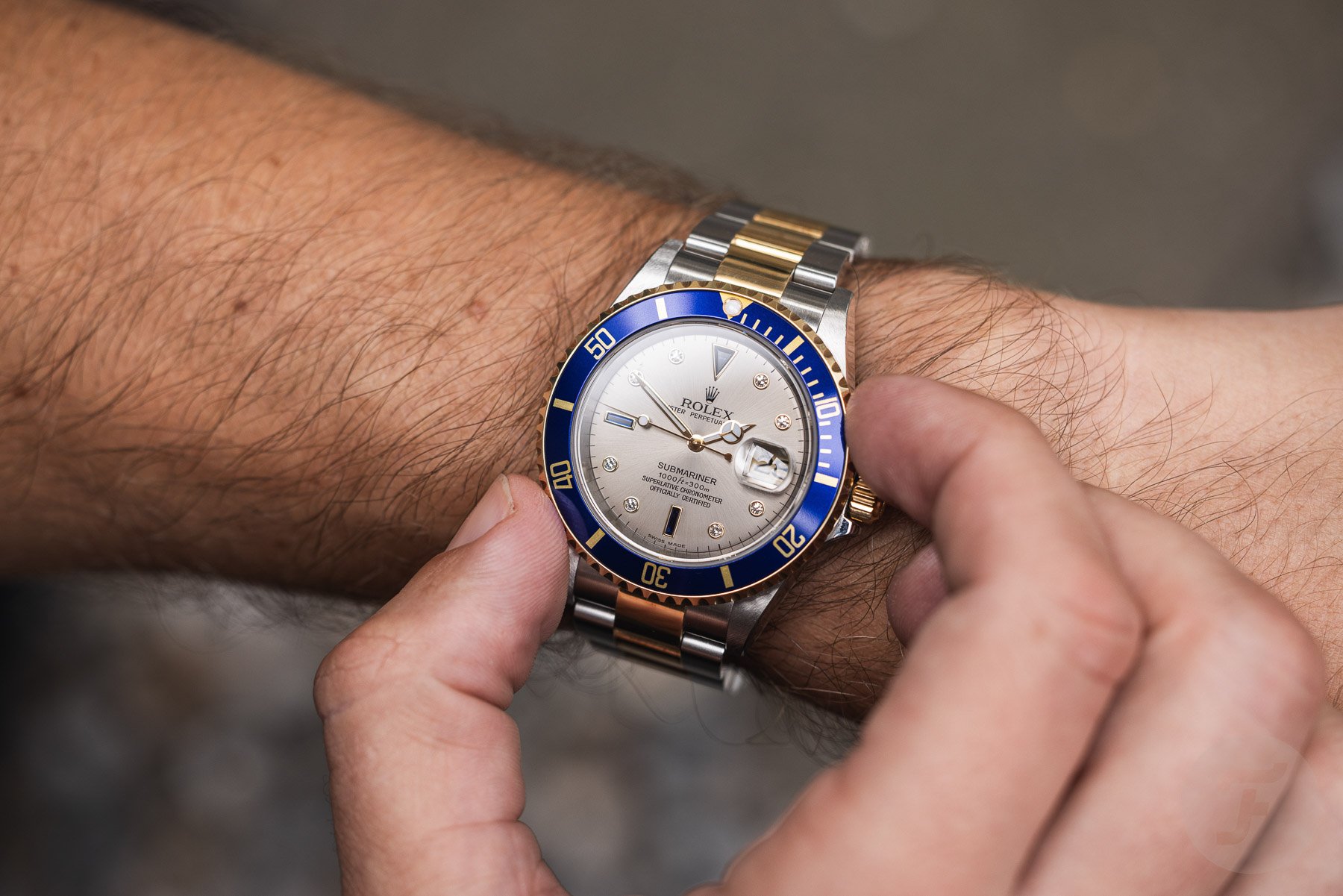
Rolex Submariner ref. 16613
There were also gold and steel-and-gold(Rolesor) models of the Submariner Date. Production of these ended a bit earlier than that of the steel 16610(LV) and 14060M. Those were replaced in 2010, while the precious-metal models were replaced in 2008. This signaled the direction for the new steel Submariner models, including ceramic bezel inserts and updated bracelets.
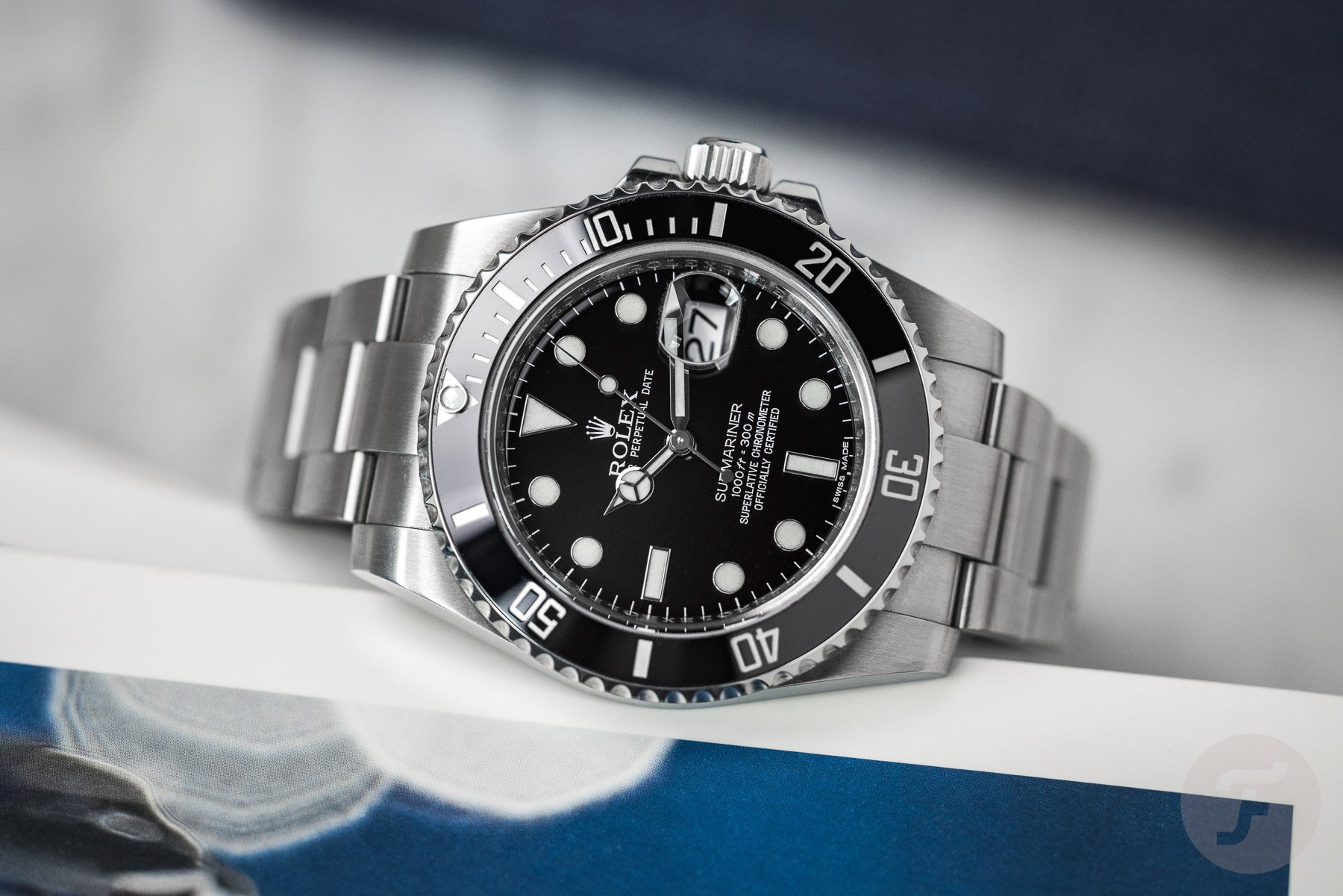
Rolex Submariner ref.116610LN
Six-digit Submariner history
For the first time, Rolex introduced a white gold Submariner, reference 116619LB, which featured a blue dial and a Cerachrom bezel insert. As mentioned, the steel Submariner references were replaced in 2010. The 16610 became the 116610, and the 14060M made way for the 114060. Furthermore, the gold 16618 evolved into the 116618, and other references followed this numbering pattern. Rolex likes to keep things easy.
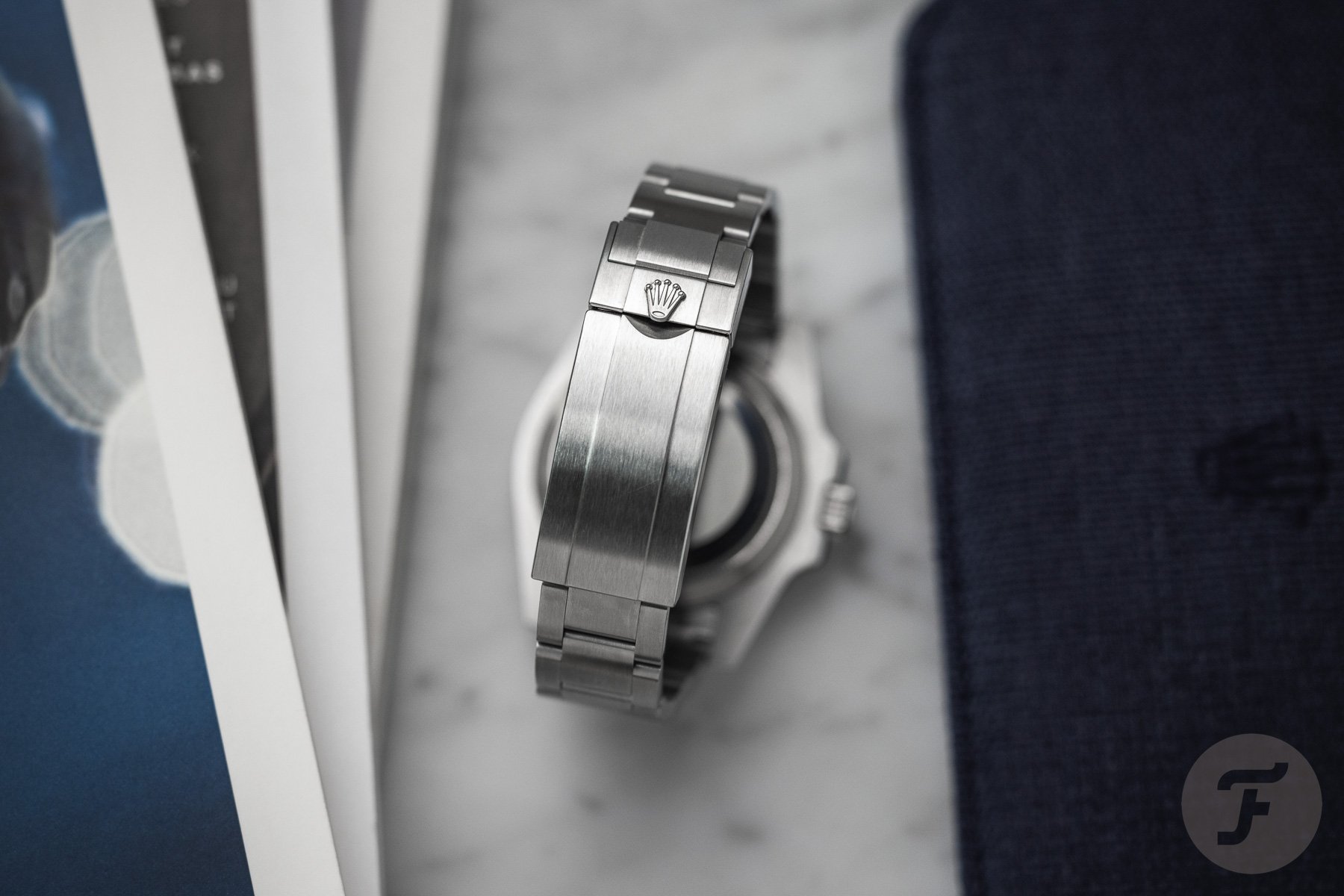
Rolex Submariner ref. 116610LN
These new Submariner watches featured several updates. Each was equipped with a Cerachrom bezel and a new bracelet with a toolless adjustment system inside the clasp. But there was more to it. The case changed drastically compared to its predecessors. The 40mm diameter remained, but the lugs were beefier and the crown guards thicker. Things changed on the dial too. A “maxi dial” (larger hour markers) and wider hands changed the look of the standard Submariner. And then, there was Chromalight, Rolex’s proprietary luminescent solution. Combined with the new “super case,” the watch appeared larger while maintaining the same dimensions.
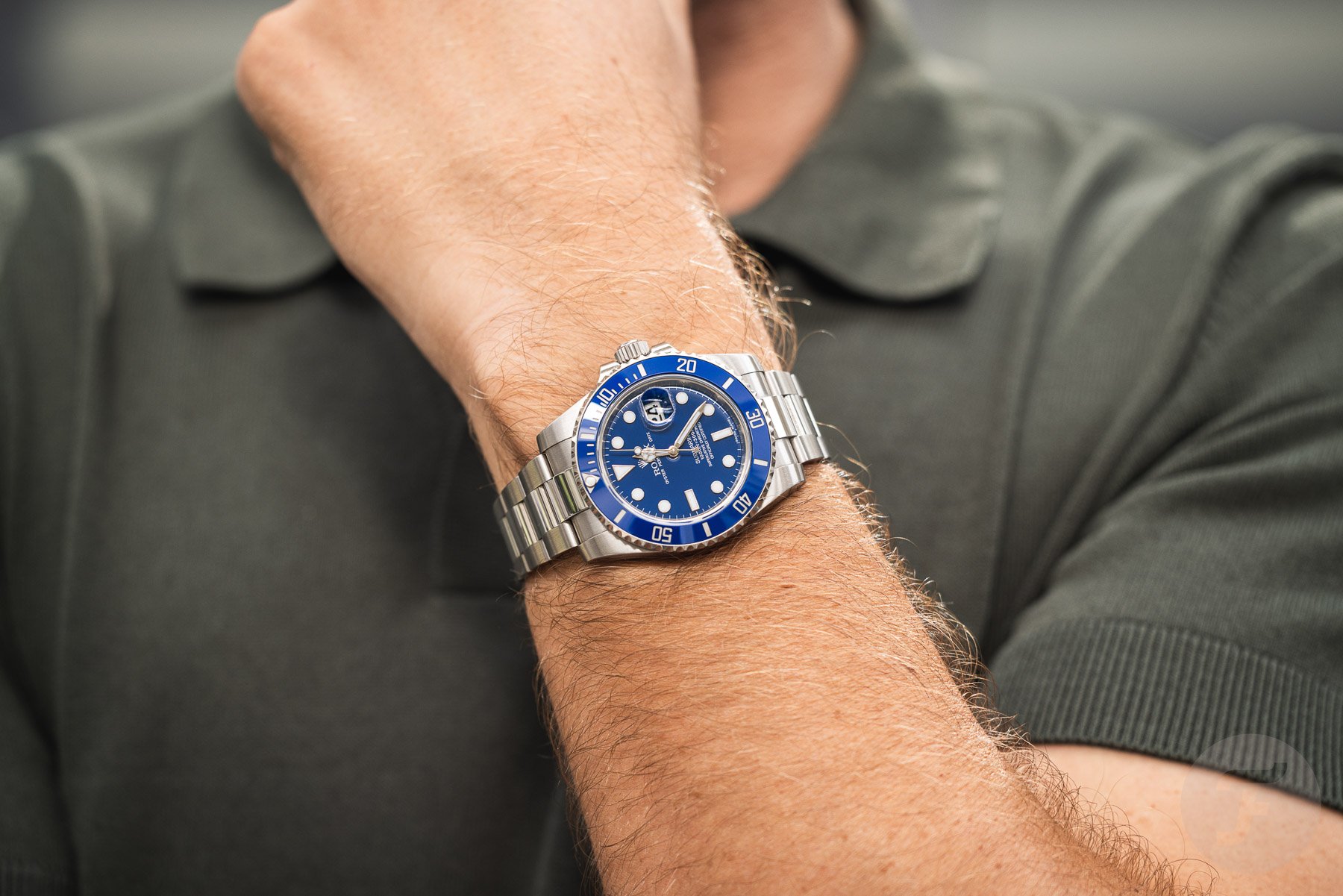
Rolex Submariner ref.116619LB
Inside, the caliber 3135 kept driving the hands and date disc for the Submariner models with a date. For the regular Submariner 114060, Rolex stuck with caliber 3130. These movements, 3130 and 3135, were updated throughout their lifespans with new or different materials, friction-reducing solutions, and a Parachrom hairspring.
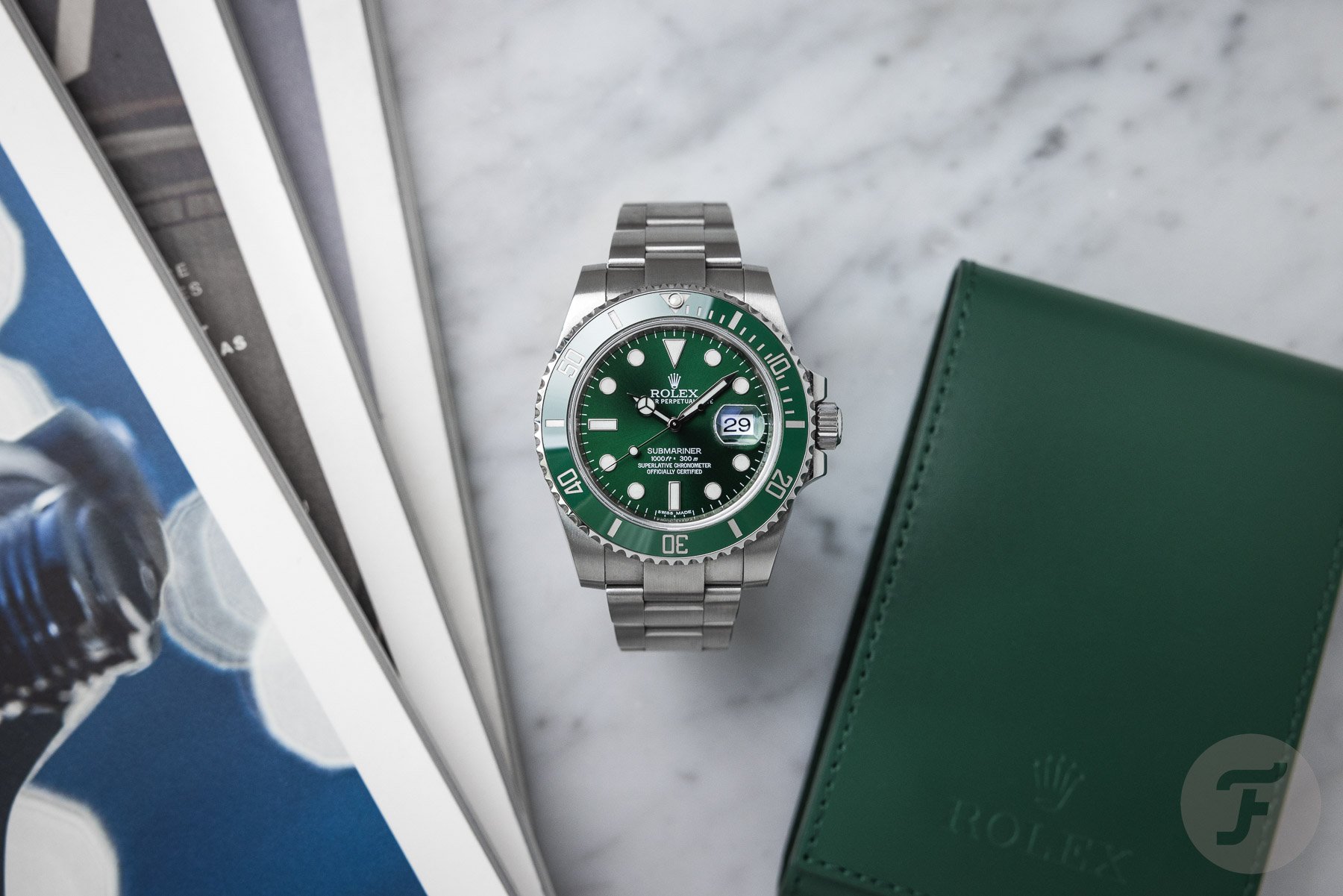
Rolex Submariner ref. 116610LV
The Kermit turned Hulk
The Submariner was available in black (116610LN), like the original 16610, and again with a green bezel (116610LV). This time, though, it also received a green dial and was quickly dubbed “The Hulk” for its green color and bulky appearance.
In October 2020, Rolex unexpectedly unveiled a new generation of Submariner models. Because Baselworld had been canceled, the brand introduced the watches independently rather than at a major trade show. Rolex also signaled the change with new reference numbers, replacing the second digit “1” with a “2.” So, the 116610 became the 126610.
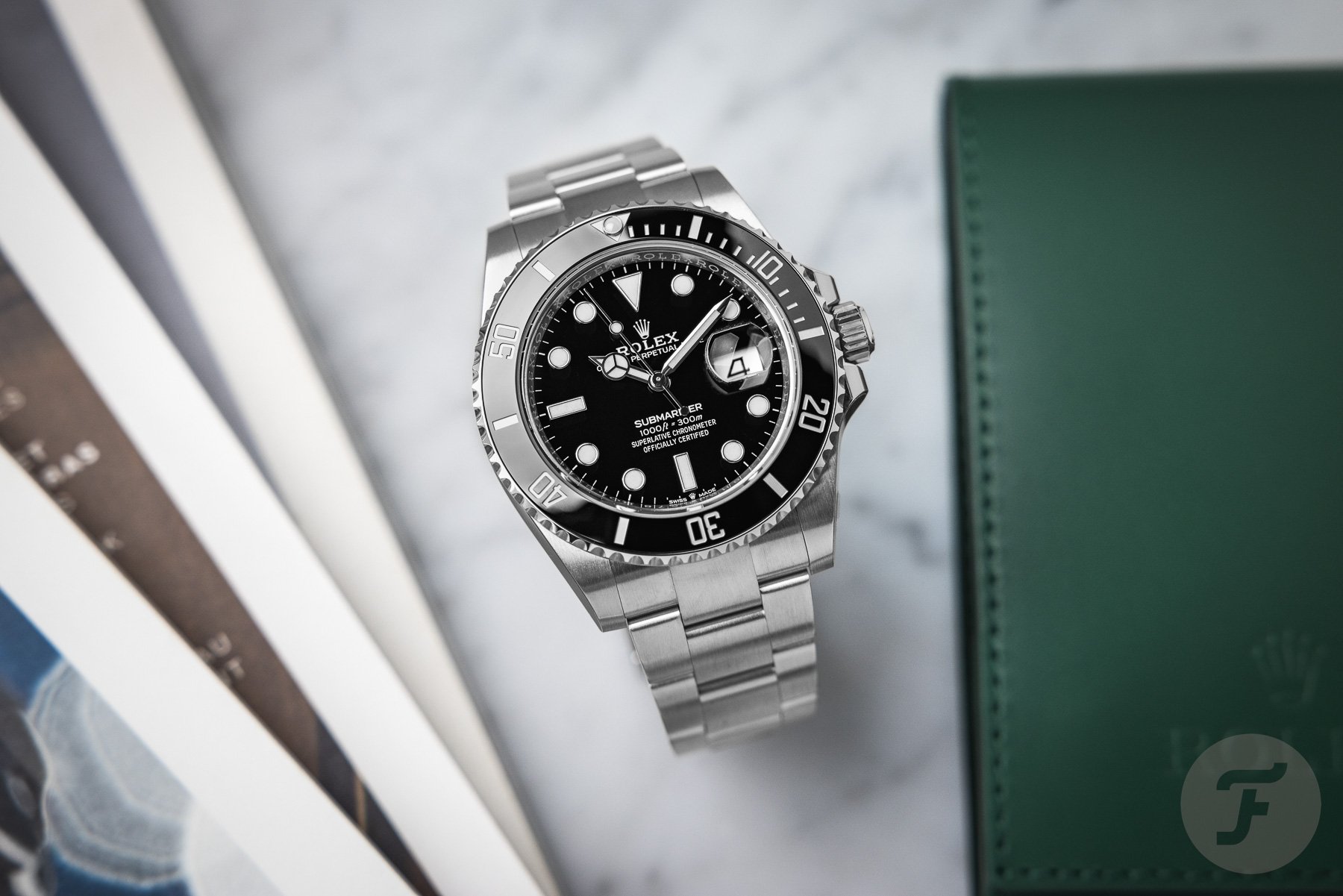
Rolex Submariner ref. 126610LN
There were two major changes compared to the first six-digit Submariner models. The first was the case, which went from 40mm to 41mm, and the lug spacing increased from 20mm to 21mm. Interestingly, the watch increased in size but looks more refined. This is because of the thinner lugs. Rolex decided it was time to stop using the beefier ones.
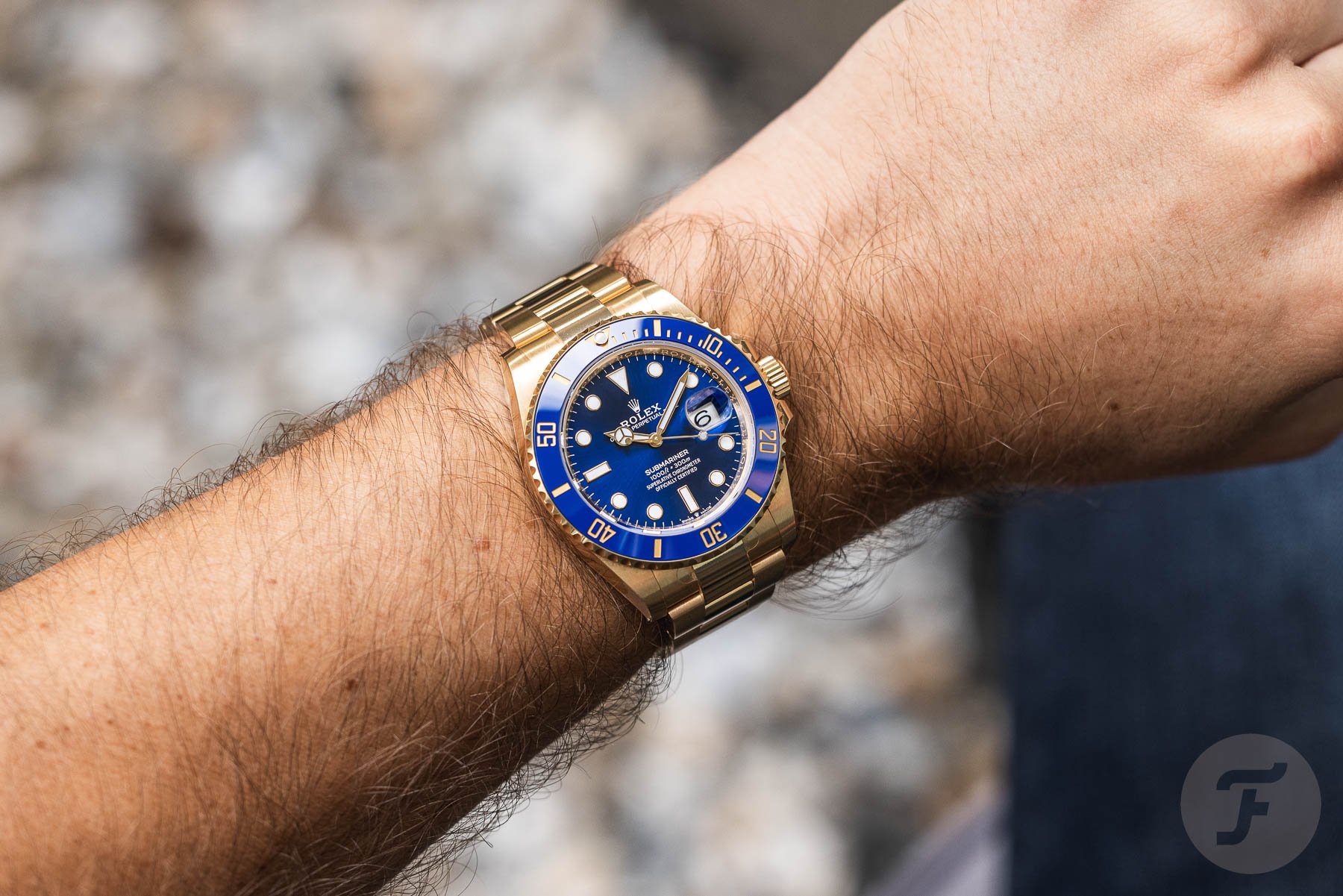
Rolex Submariner ref. 126618LB
Beyond the revised case dimensions, Rolex implemented another significant update by fitting the new references with the modern caliber 3235 and, for the no-date Submariner, caliber 3230. Both movements stem from the generation Rolex introduced in 2015. They have an increased power reserve of 70 hours instead of 48 and use Rolex’s Chronergy escapement. The escape wheel, for example, is pierced to reduce inertia and made of an antimagnetic alloy (nickel-phosphorus). The 3235 movement consists of 90% new components compared to the 3135, including a new rotor system. The 32xx-series design employs a ball-bearing mounting system in place of the traditional axle arrangement, improving durability and reducing friction.
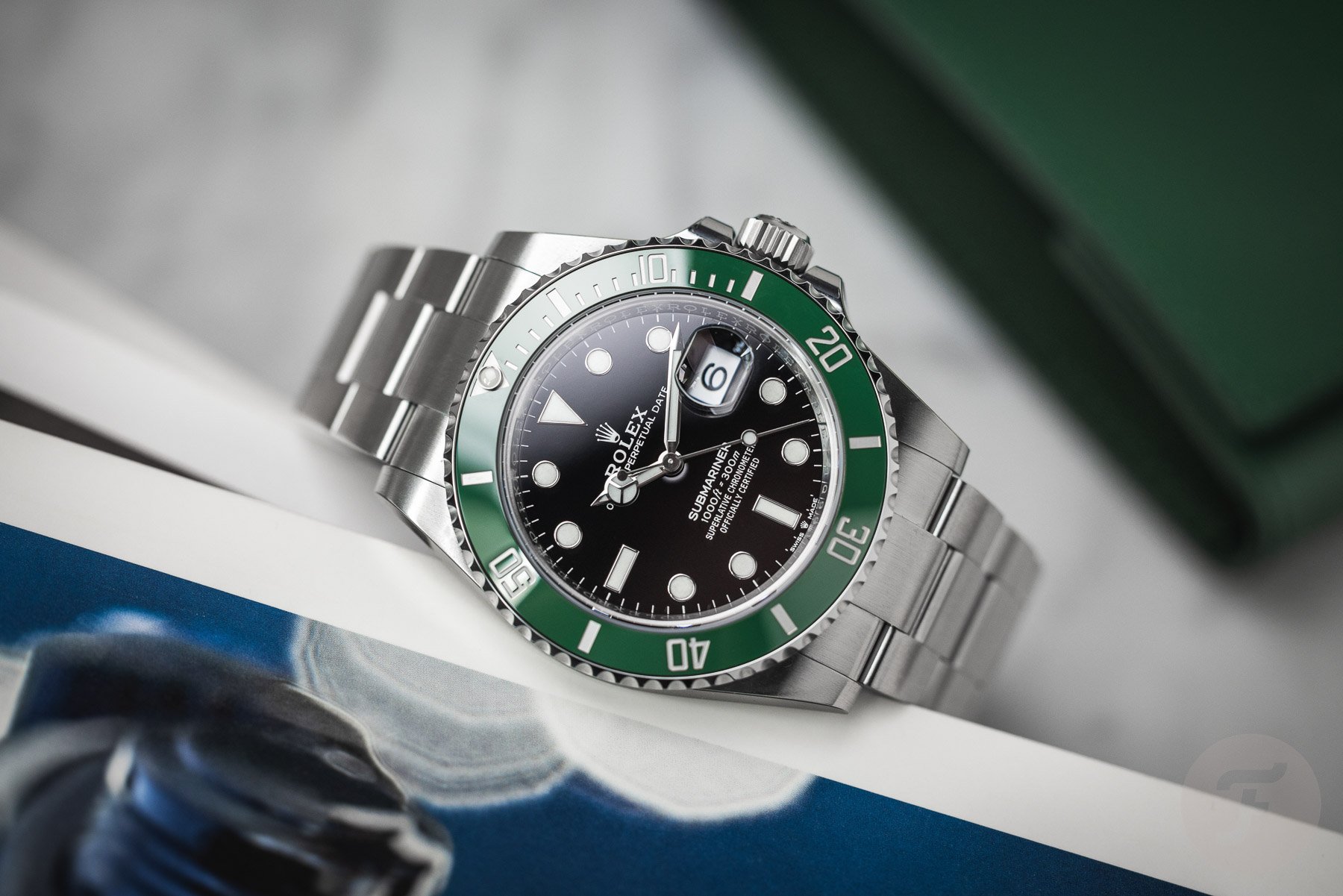
Rolex Submariner 126610LV “Starbucks”
And, Rolex also included a “50th anniversary” model again, now dubbed “Starbucks.” Just like the original “Kermit,” the 126610LV is back to a green bezel and a black dial, resembling the logo of the famous coffee chain.
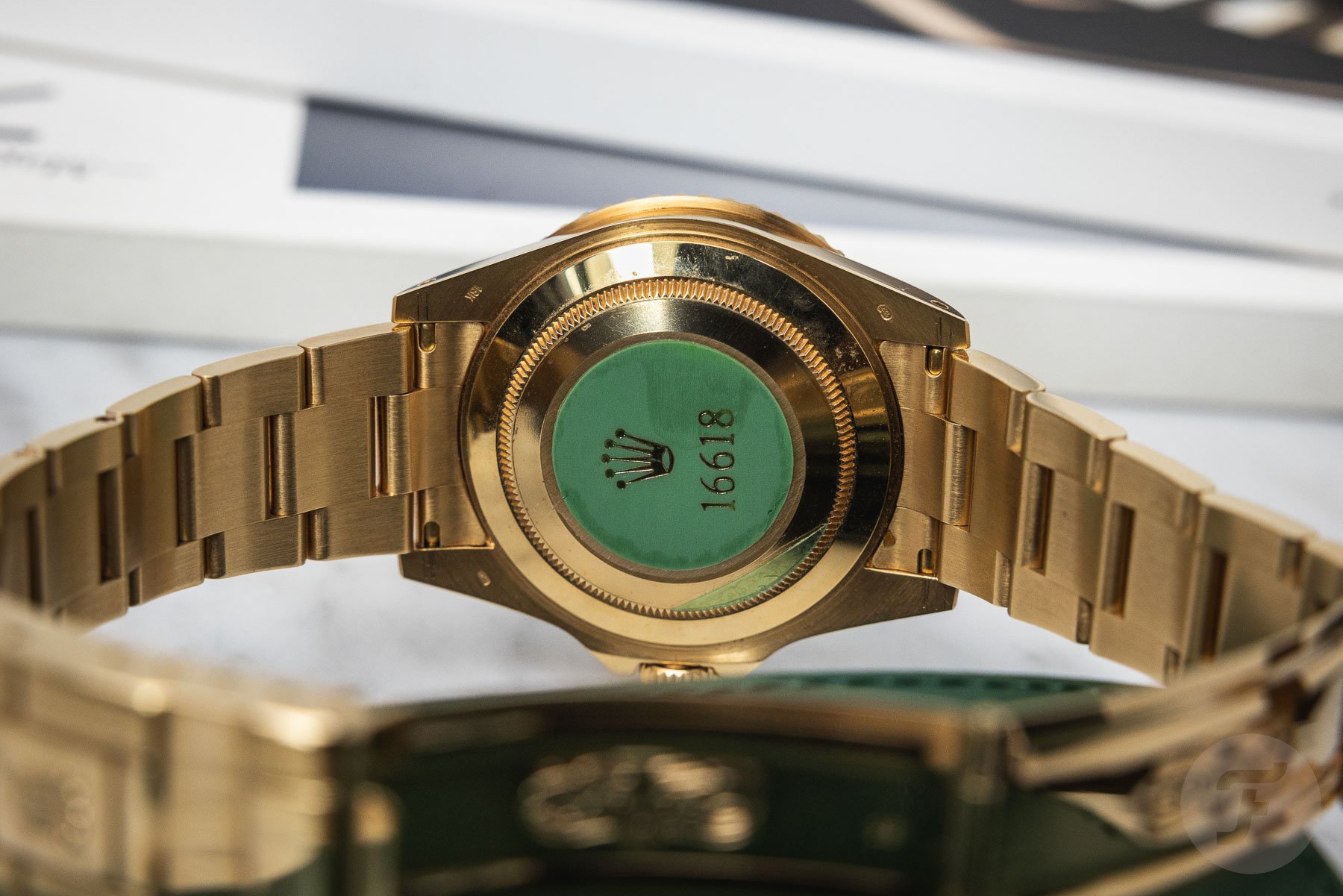
Rolex Submariner ref. 16618
Are you a five-digit or six-digit Rolex Submariner person?
Because I developed an interest in watches in the 1990s, the Rolex models with five-digit reference numbers from that era still come to mind first when I think of the Submariner. These five-digit references remained in the collection until 2010, so there are many around. In Rolex’s book on the Submariner (authored by Nicholaus Foulkes), you can find the actual production numbers per reference. It indicates that Rolex produced, for example, 646,613 Submariner 16610 watches. The company also produced 414,905 examples of the six-digit Submariner 116610 between 2010 and 2020. By the time the book was published, production of the current Submariner 126610 (2020–present) had already reached 177,328 watches. Since 2010, many modern Submariner watches have entered the secondary market. Whether it’s a five- or six-digit Submariner that you want, you will be able to find one for sale relatively easily.
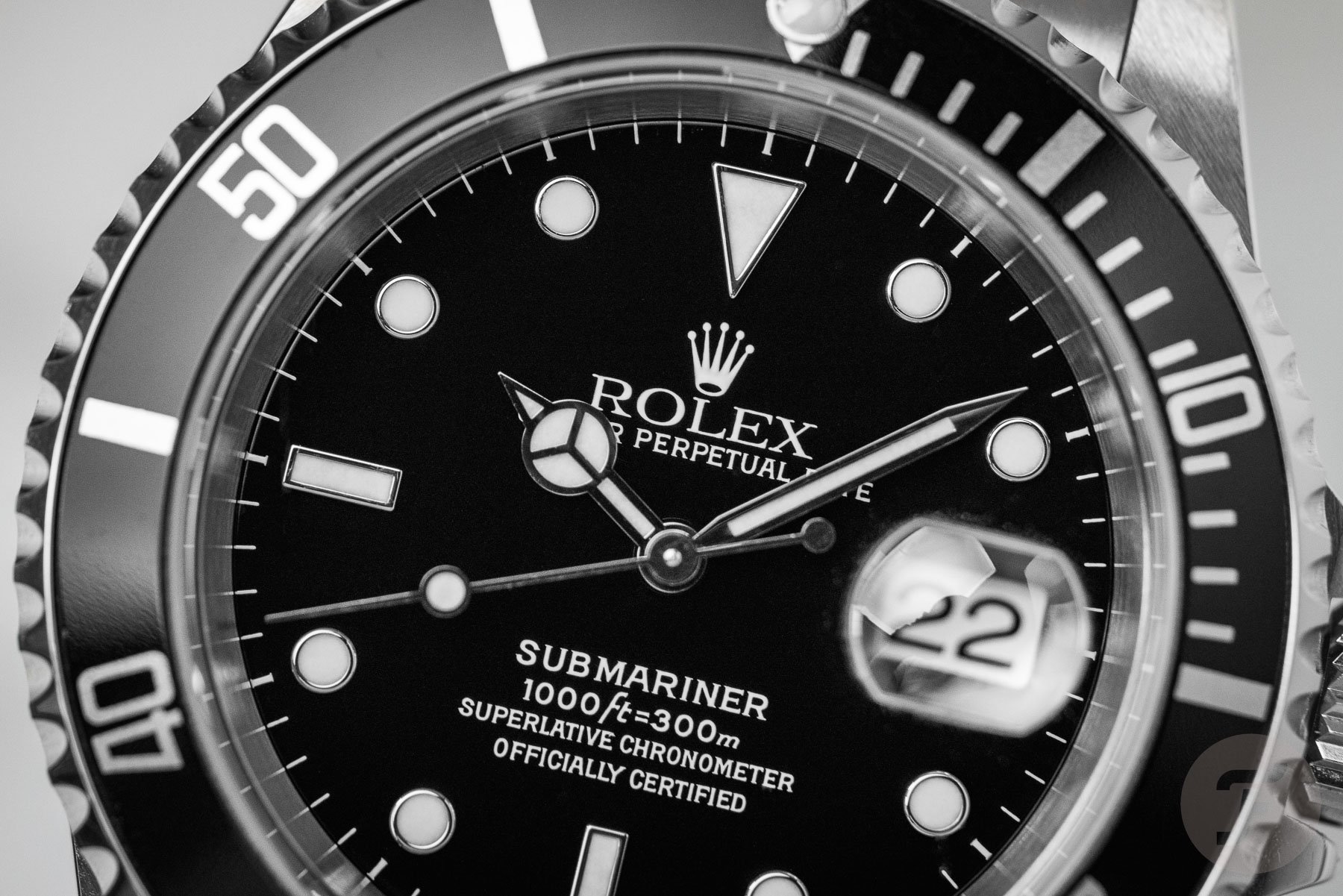
Rolex Submariner ref. 16610
The price differences between a five-digit and six-digit Rolex Submariner
The current Rolex Submariner — let’s use the Submariner Date 126610LN as an example — has a retail price of €11,100. But of course, when you walk into a Rolex boutique, you will likely not find one available. You can either join the waitlist or source one from the secondary market. Expect to pay a few hundred to a thousand more than the current retail price for one in good condition. You can also consider the six-digit predecessor, the 116610LN, whose beefier lugs give it a more substantial appearance. Today, you can find examples for around €10,000. Depending on the condition, there’s a range, of course. Expect to pay more for one that is NOS (New Old Stock) and less if it shows some signs of a rough life.
The older Rolex Submariner 16610, except for the LV “Kermit” reference, starts around €8,000 in nice condition. But even with this model, expect to pay more for NOS condition or a full set.
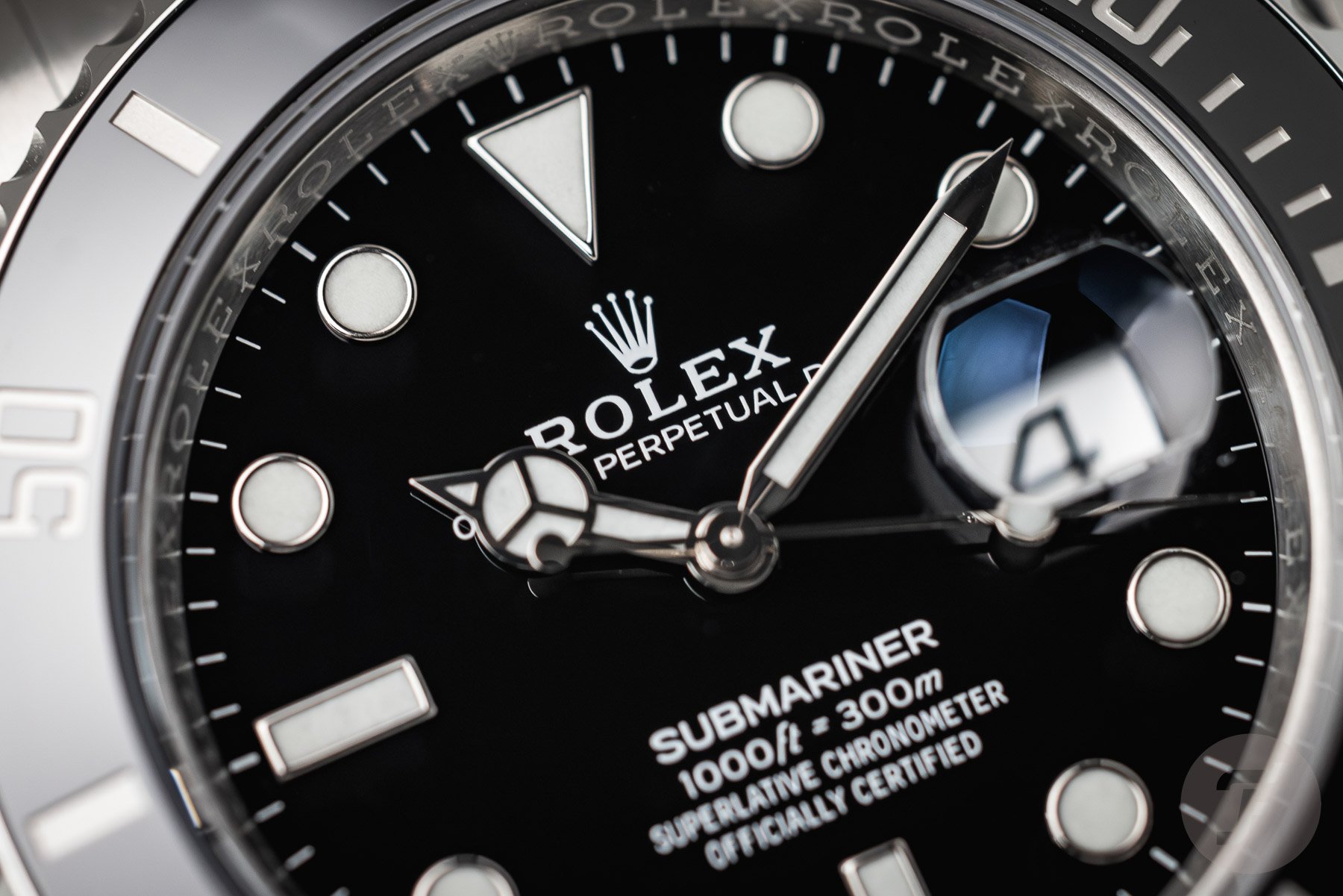
Rolex Submariner ref. 126610LN
Has the six-digit Submariner really improved the legend?
Quality-wise, there are differences as well, of course. Each new version of a Rolex brings improvements, whether ergonomic or in overall quality. In general, a six-digit Rolex looks more “modern” than a five-digit model, mainly due to the new bracelet and the use of ceramic bezel inserts. I used to own a Rolex Submariner 114060 (2013), but I discovered that this modern ceramic-bezel model was not for me. It wasn’t only because of the beefier lugs but also because of the bezel’s shine. So, aside from the price difference between the five- and six-digit Submariners, it’s largely about preferences.
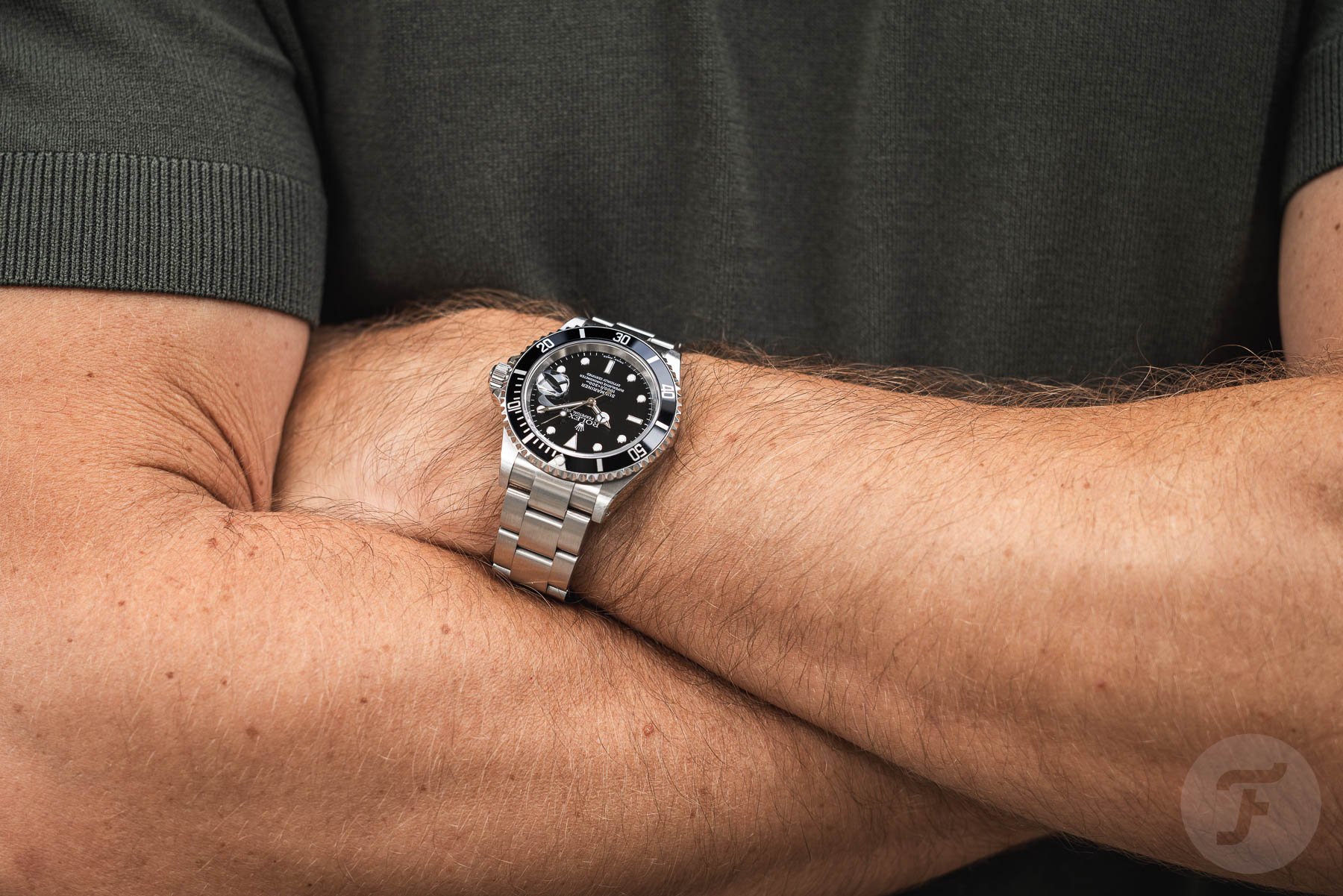
Rolex Submariner ref. 16610
For some, a 16610 or 14060 is just a 30-year-old watch; to others, it’s peak Rolex experience. It’s also a very safe option if you adore the older four-digit references but feel it’s a step too far (or too expensive) to go down that route. The designs, except the sapphire crystals and glossy dials, are still quite similar. All post-2010 Rolex Submariner models are clearly further away from the vintage look and feel.
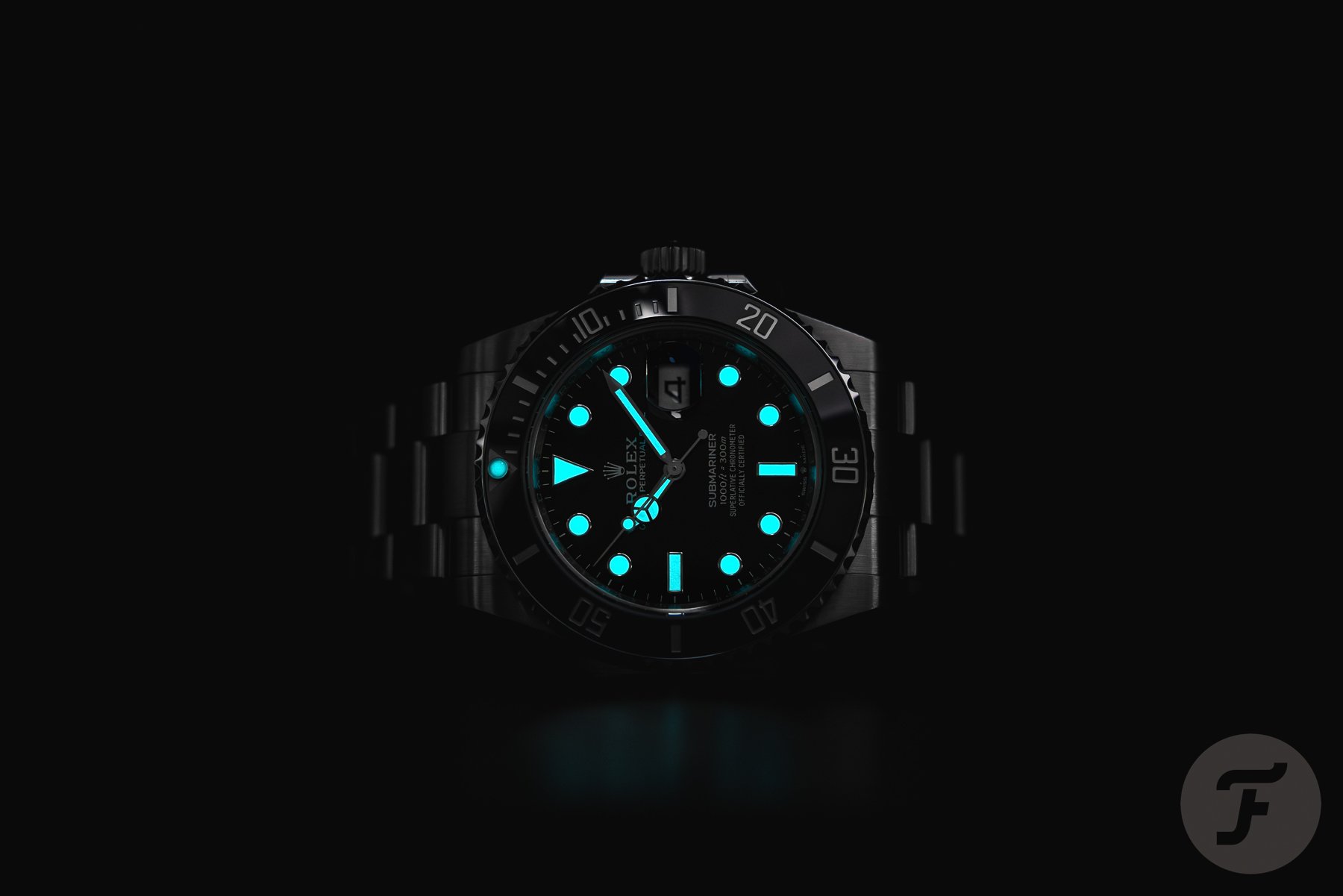
Rolex Submariner ref. 126610LN
Modern Rolex movements
As for the modern movements, the current 32xx series is, on paper, the better pick due to its more efficient escapement and higher power reserve. That said, we are also aware of some of the issues with these calibers. Issues reported include very low amplitudes, problematic timekeeping, and a power reserve below 70 hours. From what we understand from the watchmakers we’ve talked to about these issues, it’s mainly a lubrication issue. Rolex is also aware of these problems with the early 32xx movements, and it’s basically a very quick fix. Rolex made several minor changes to the movement to eliminate these lubrication issues. Caliber 3135 had already established itself as a remarkably reliable movement, and its 1988–2015 production run only reinforced its reputation as a rock-solid caliber. It’s also a relatively simple movement for watchmakers to service.
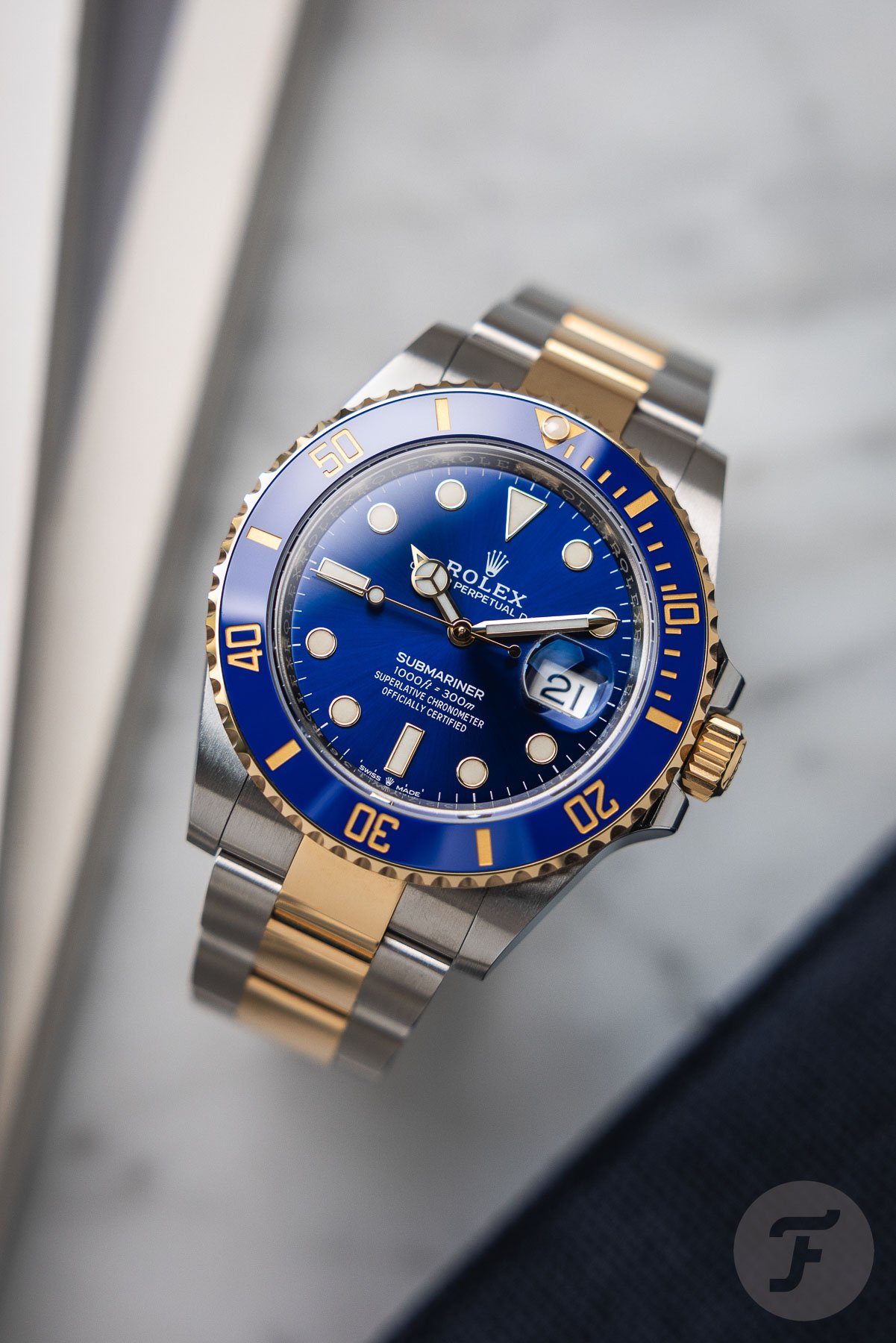
Rolex Submariner ref. 126613LB
As for servicing these watches, it’s good to know that Rolex distinguishes between servicing vintage and modern models. During a recent visit to Rolex and its service center, we asked the brand where it draws the line between modern and vintage watches. The answer was surprisingly clear: Rolex still considers five-digit reference numbers modern for repair and servicing purposes.
Which Rolex Submariner do you prefer, a five-digit or a six-digit reference? Vote below, and let us know your favorite references in the comments.
Rolex Submariner: Five-Digit Or Six-Digit
*The header image was made with AI, using the images in this article as input.