Value In Vintage: IWC “Calatravas” From The 1950s And ’60s

IWC truly does have something for everyone. There is a curious blind spot in the vintage-watch market. Collectors will happily spend five figures on a mid-century dress watch from Patek Philippe or Vacheron Constantin, yet many overlook the quietly brilliant dress watches produced by IWC Schaffhausen during the ’50s and ’60s. That oversight is precisely what makes vintage IWC “Calatravas” such compelling buys today.
The term “Calatrava” is, of course, shorthand for the clean, restrained dress-watch formula popularized by the Patek Philippe Calatrava line — slim cases, pared-back dials, elegant proportions, and an emphasis on timelessness over fashion. As I explored previously in my article “Why Every Watch Collector Needs A ‘Calatrava,’” there is something deeply reassuring about this style of watch. It does not scream for attention. Instead, it rewards long-term appreciation.
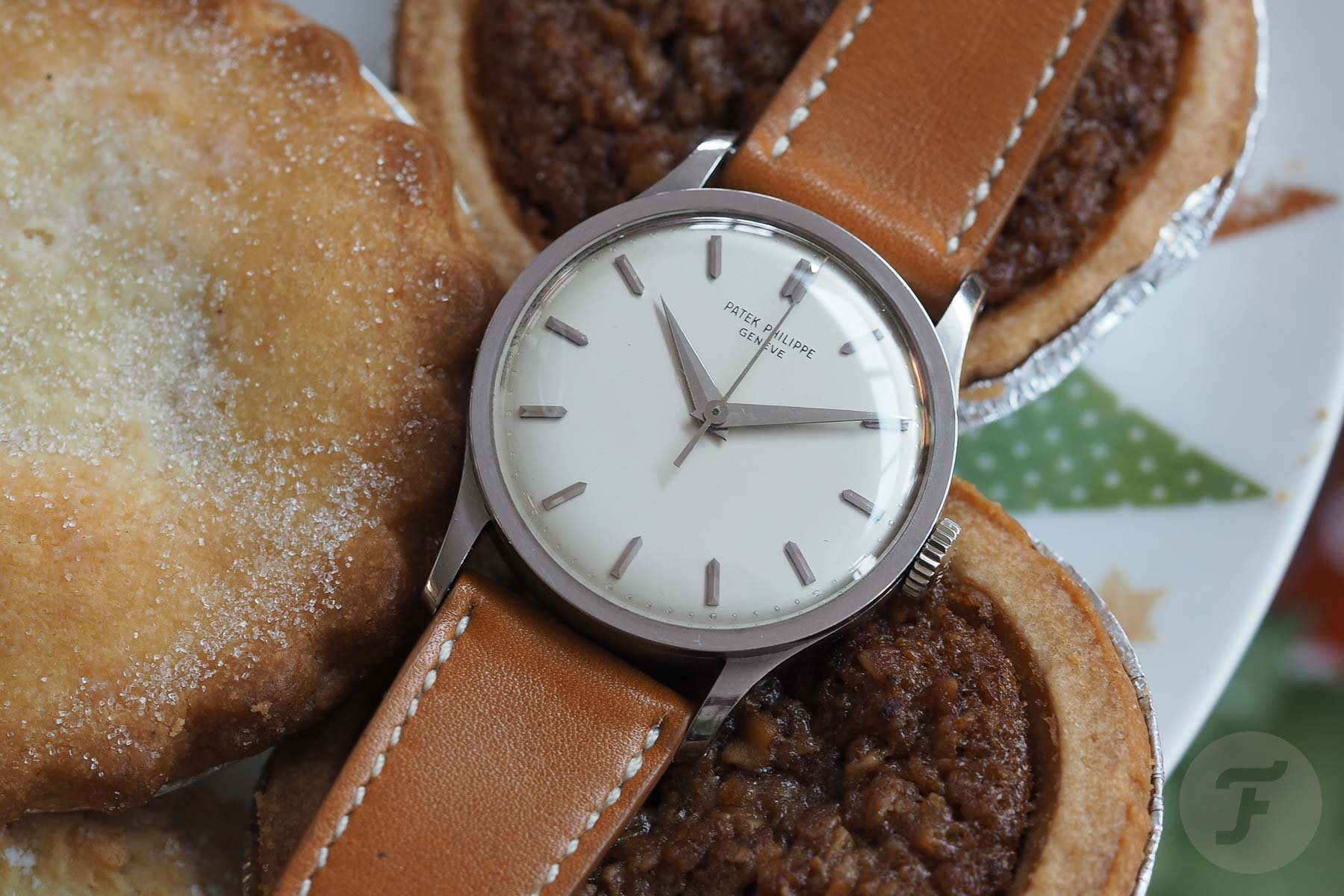
What makes the 1950s and 1960s IWC watches so special is that they capture everything enthusiasts love about the classic Calatrava aesthetic while remaining remarkably attainable compared to their peers from the Holy Trinity.
Clean lines and beautiful dials
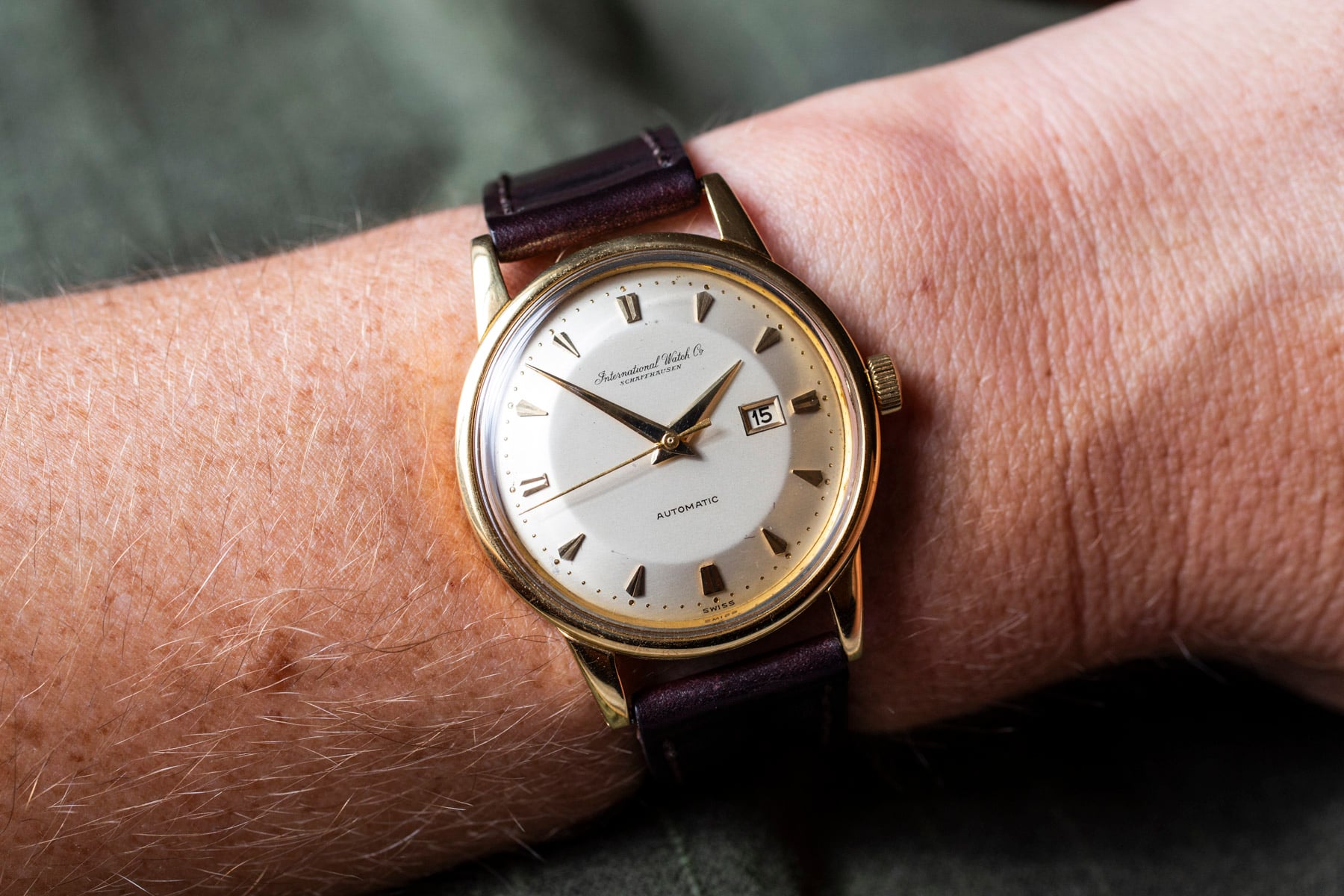
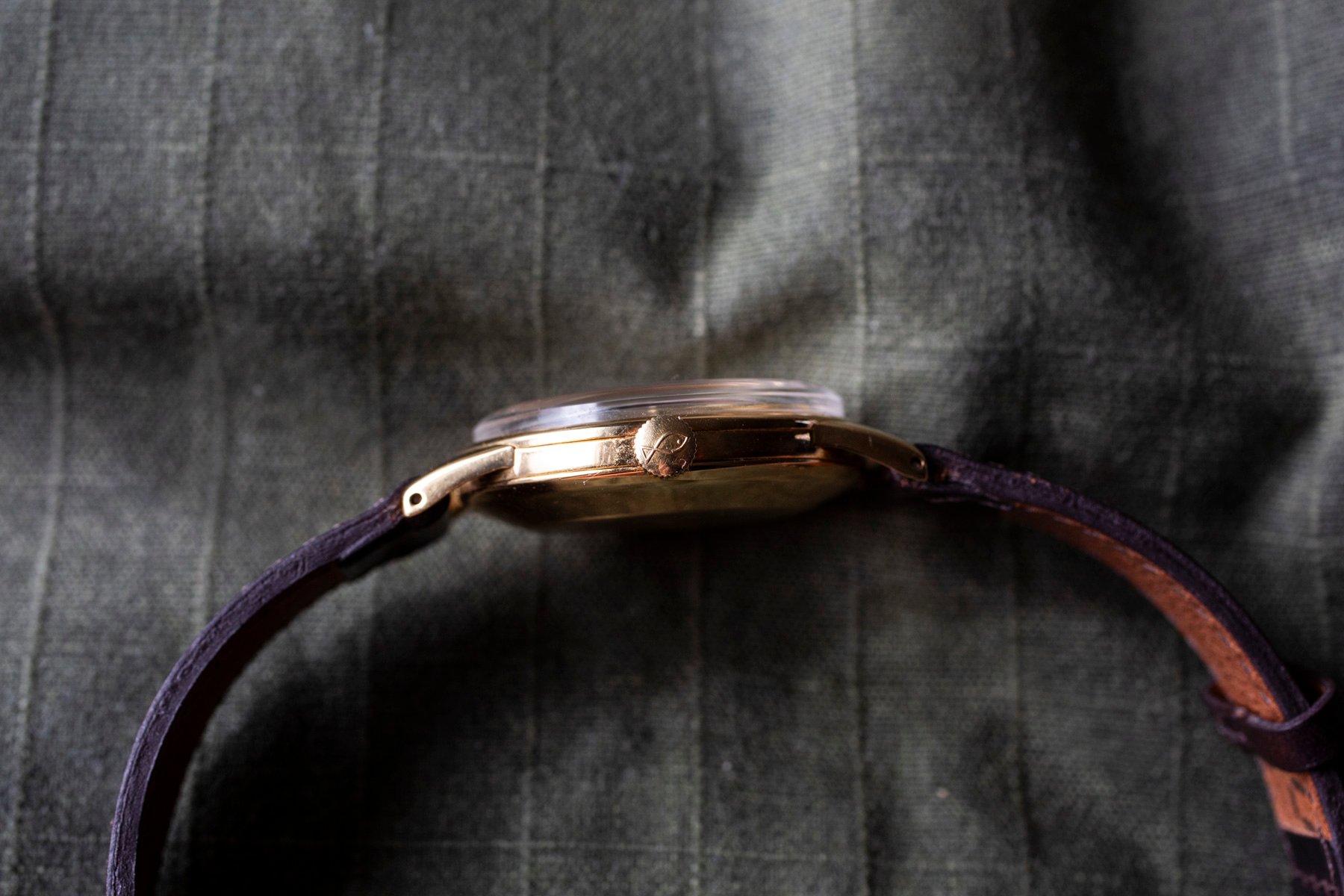
The first thing that strikes you about these watches is the design discipline. Mid-century IWC rarely overcomplicated things. Whether fitted with dauphine hands, simple baton markers, or delicate leaf hands, the watches feel perfectly balanced. Cases typically measured in the 34–37mm range, which sounds modest by modern standards but is ideal for a dress watch. Thin bezels allowed the dials to breathe, while elongated lugs gave the watches surprising wrist presence.
Many of these pieces feel precise in the way only mid-century industrial design can. That purity is why these watches still look contemporary today. A 1960s IWC Cal. 89 on a simple leather strap can easily pass for a modern independent dress watch costing many thousands more. The proportions are simply timeless. This elegance becomes even more impressive when you remember that IWC was not positioning these watches as fragile objets d’art. These were everyday watches built to be worn for decades. In many cases, they were.
The IWC caliber 89
One of the reasons I have such affection for vintage IWC dress watches is personal: my grandfather’s IWC was my introduction to the genre. As I wrote in my story about inheriting the watch, it represented a connection to a refined era of engineering and design. The watch had survived generations because it was built with durability in mind rather than disposable novelty.
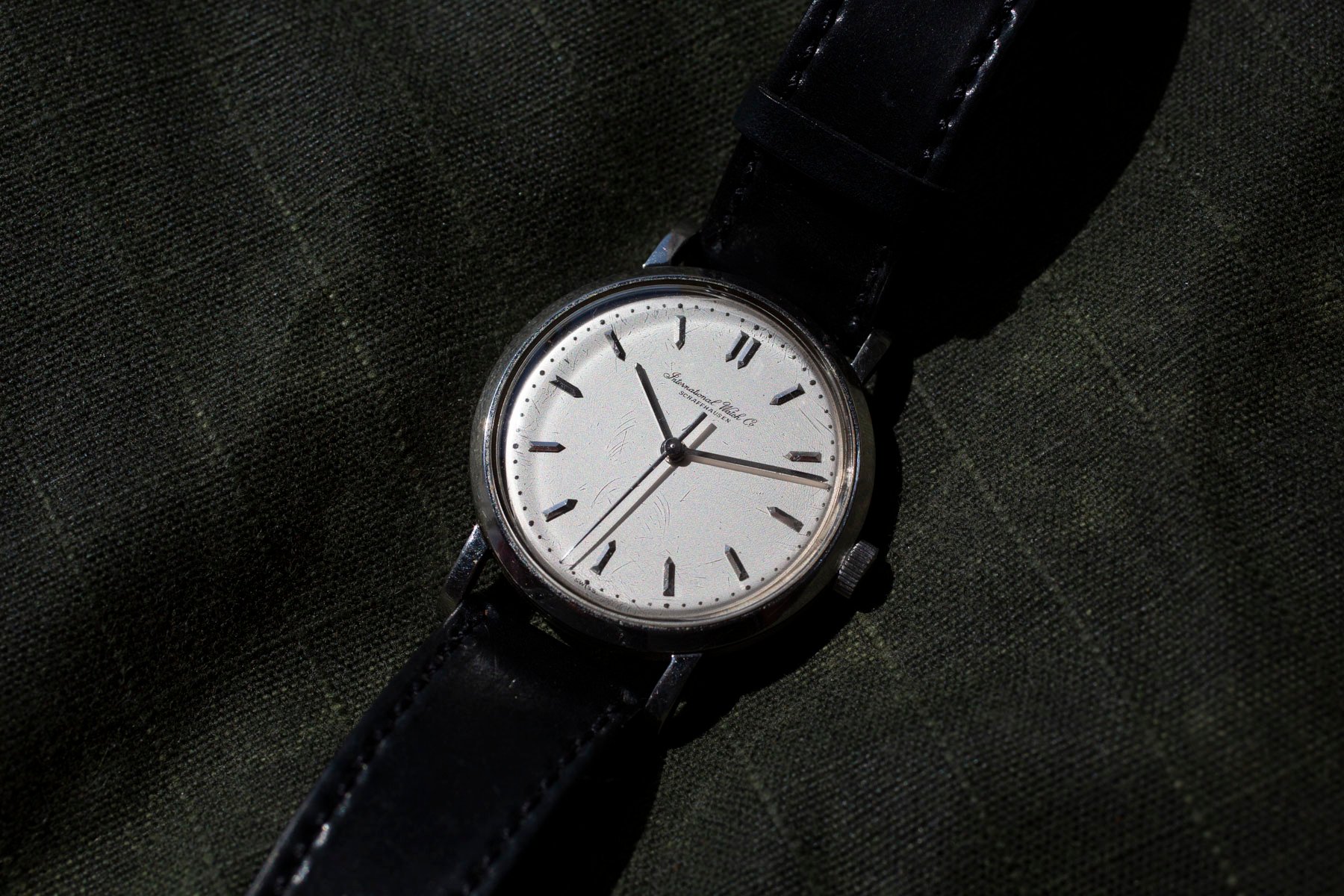
That durability stems largely from the movements. Mention vintage IWC to seasoned collectors, and one movement inevitably dominates the conversation — caliber 89. Introduced under legendary technical director Albert Pellaton, it became one of the defining manually wound movements of the era. It earned a reputation for accuracy, robustness, and thoughtful engineering. Even today, many watchmakers regard it as one of the finest hand-wound movements IWC ever produced.
The movement’s appeal lies in its honesty. It is not excessively ornate, nor does it rely on unnecessary complications. Instead, it embodies mechanical refinement through intelligent design. Oversized screws, excellent finishing, and sturdy architecture made it both practical and beautiful. The same movement family even formed the basis for the legendary Mark XI military watch.
Overbuilt watches
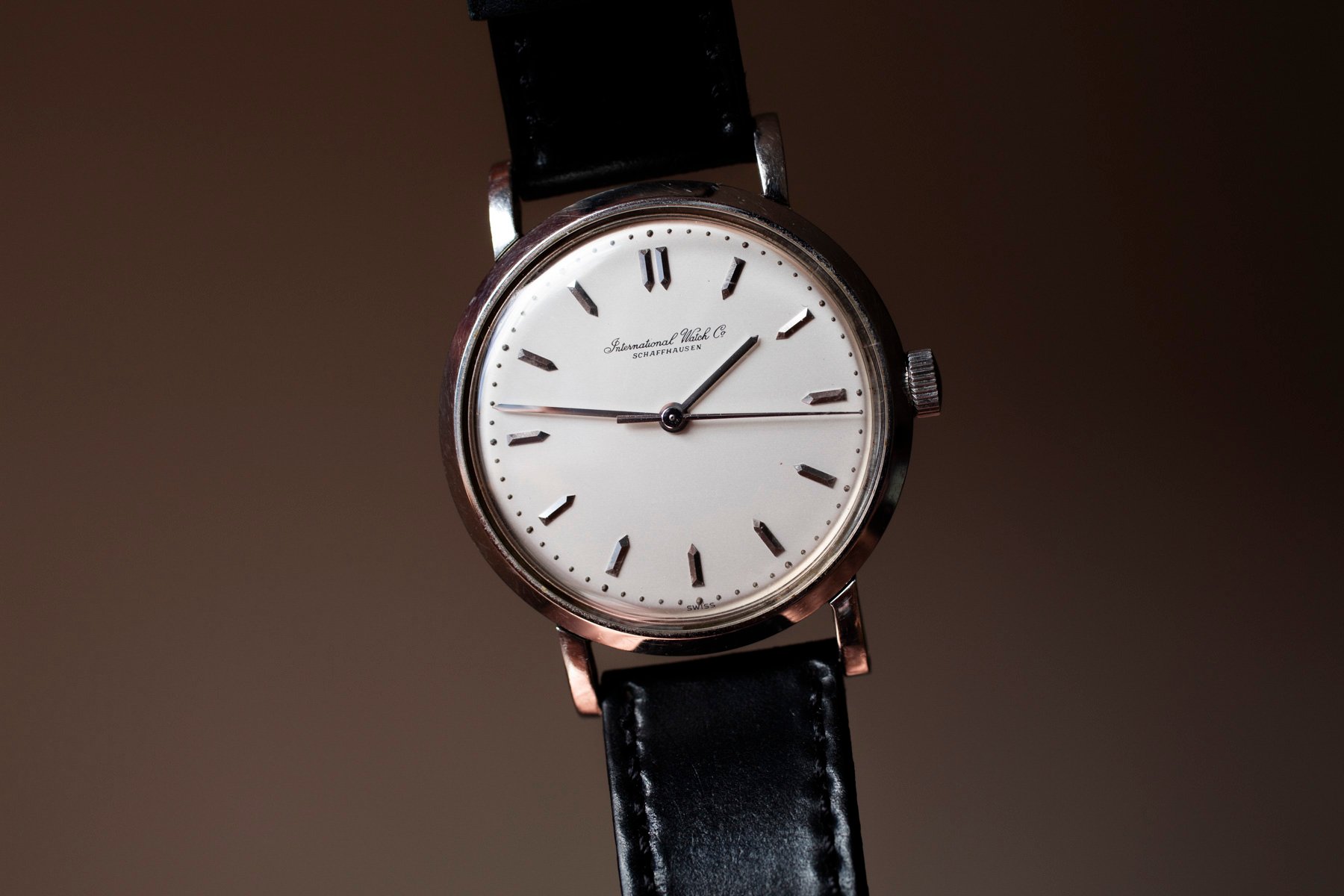
Collectors often talk about certain brands being “watchmaker’s watches,” and vintage IWC squarely belongs in that category alongside JLC. Watchmakers respect the movements in them because they were engineered properly. They were designed to last and, crucially, to be serviced. That matters enormously in today’s vintage market.
Many vintage dress watches from prestigious maisons can become intimidating to own due to parts scarcity or delicate calibers. By contrast, many 1950s and 1960s IWC “Calatravas” remain surprisingly usable. Their cases are robust, their movements are durable, and servicing is generally straightforward for competent independent specialists. This usability is one reason these watches remain such strong value propositions.
Timeless designs that are genuinely attainable
Consider the broader market for vintage dress watches. A clean mid-century Calatrava from Patek Philippe can easily cost tens of thousands of euros/dollars. Even lesser-known references from elite Genevan brands command enormous premiums because collectors increasingly appreciate understated design. Meanwhile, truly beautiful steel or gold IWC Cal. 89s (shorthand for any dress watches with that movement) can still occasionally be found in the low four figures. Examples cited by dealers and collectors frequently range between roughly €1,000 and €4,500, depending on metal, condition, originality, and dial configuration.
That pricing feels almost irrational when you consider the quality on offer. Mike Stockton highlighted this perfectly in his article about the IWC 309. His central argument was that these watches provide classic Calatrava aesthetics “at a fraction of the price.” That observation cuts to the heart of why the market remains so interesting. Collectors are effectively buying elite mid-century Swiss watchmaking without paying for the same level of branding inflation attached to some competitors.
Good value and sound design
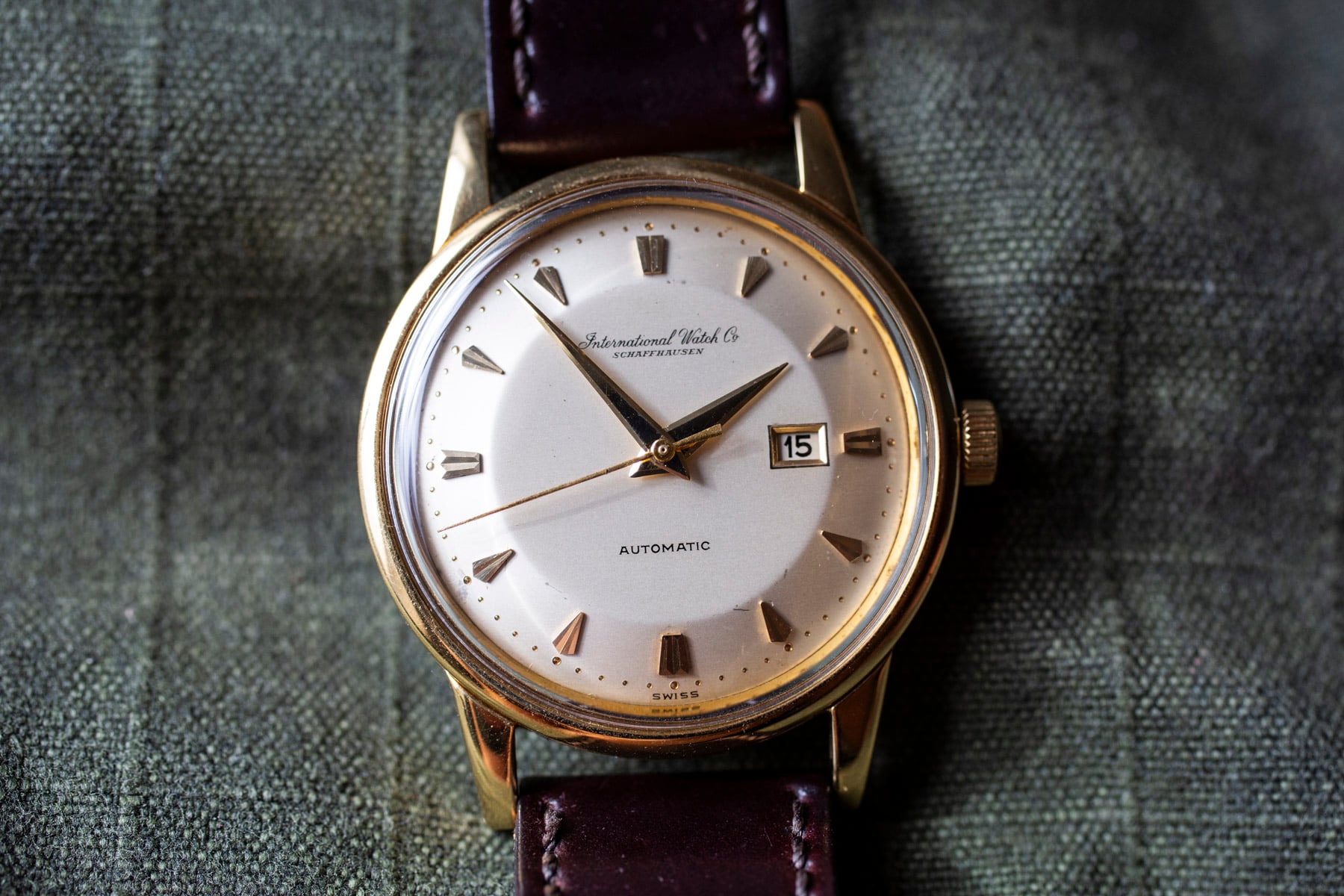
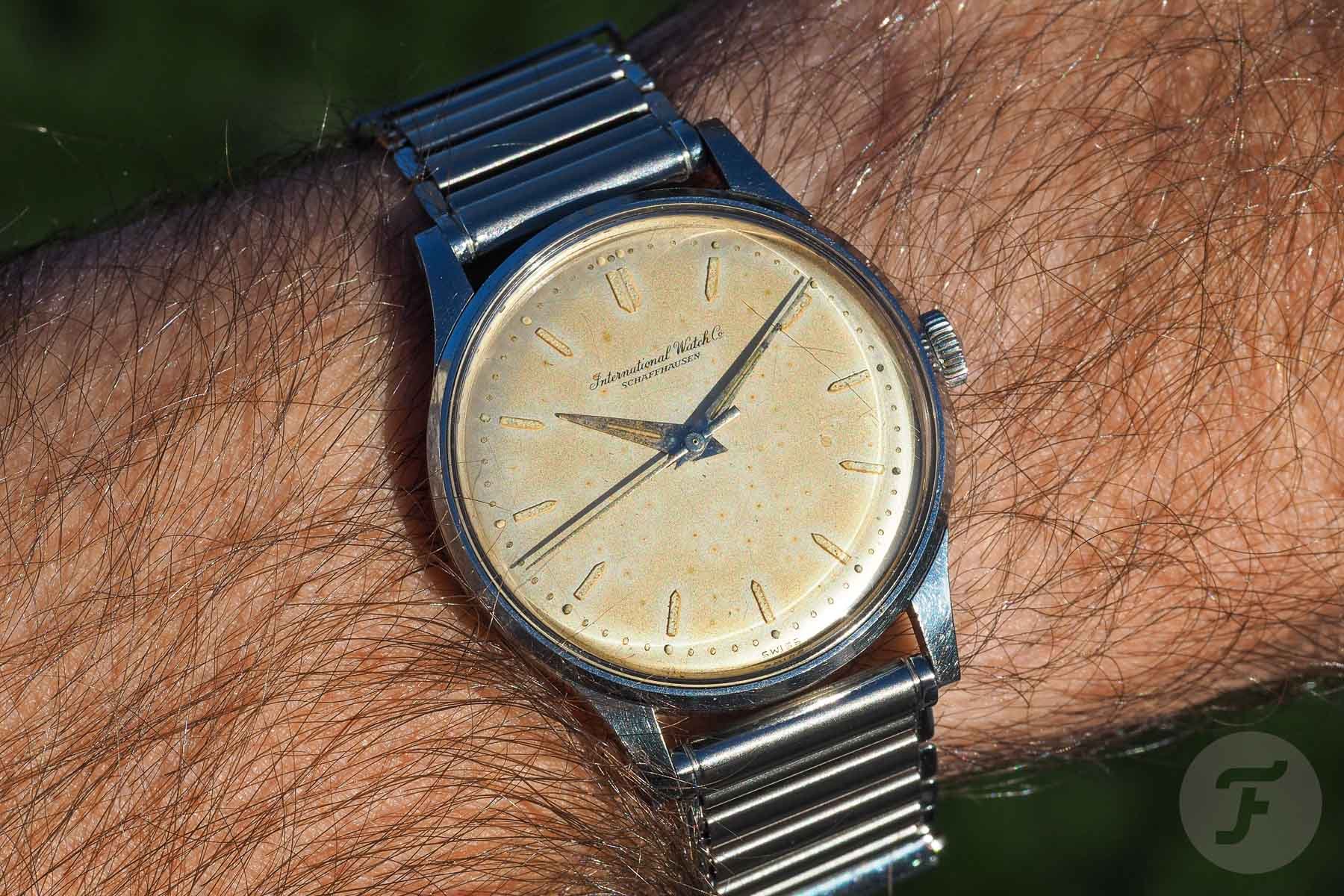
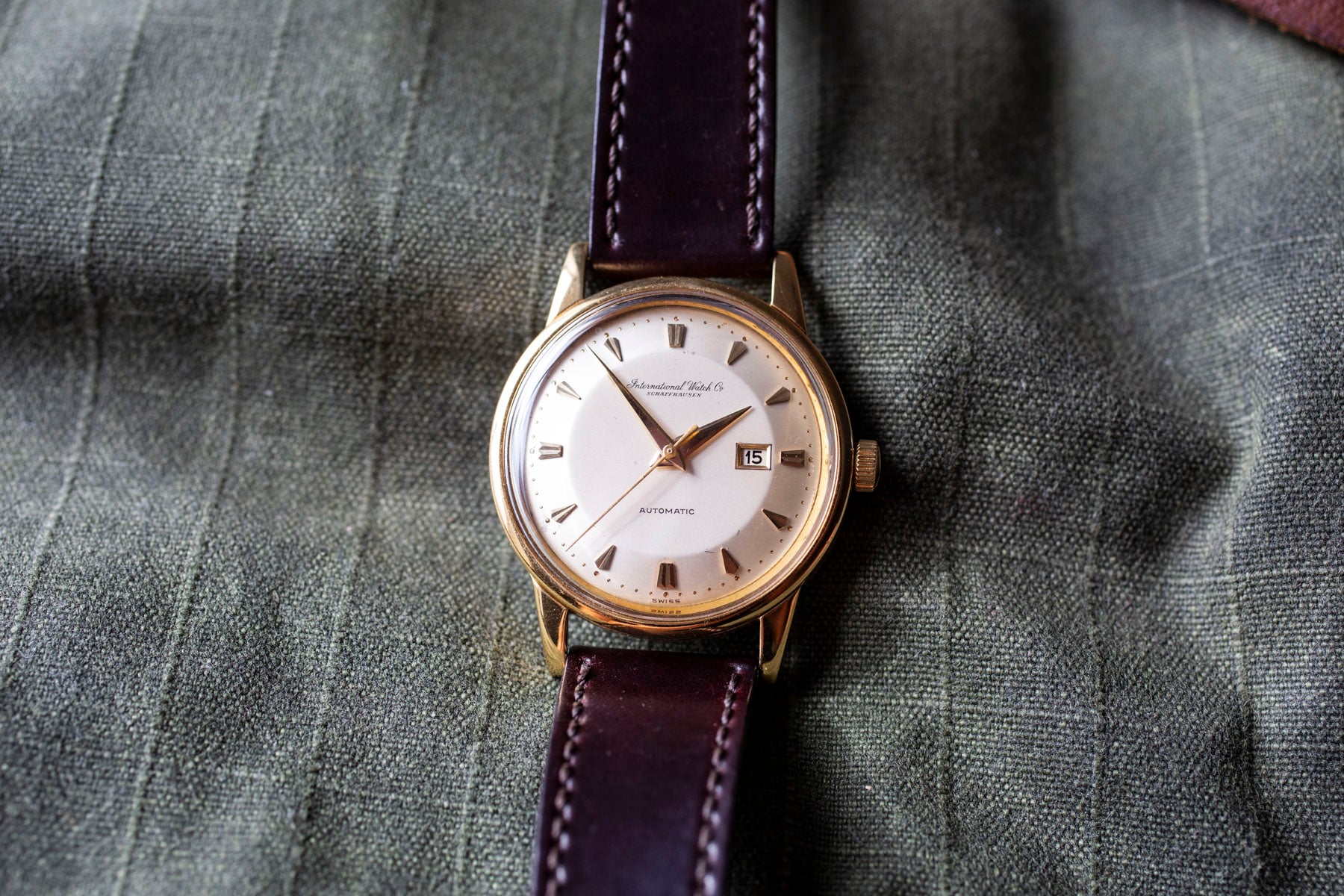
Make no mistake: these watches absolutely compete on quality. The cases were beautifully made, often in solid gold or finely finished steel. Dials displayed extraordinary attention to detail, from faceted markers to subtle sector layouts and crosshair configurations. Even seemingly simple pieces reveal tremendous nuance under close inspection.
Some of the most attractive examples feature details rarely seen today, including bombé lugs, domed acrylic crystals, warm silver dials, and delicate typography with the flowing “International Watch Co.” signature. These elements create a softness and warmth that modern dress watches often struggle to replicate.
Mid-century IWC dress watches often provide versatility
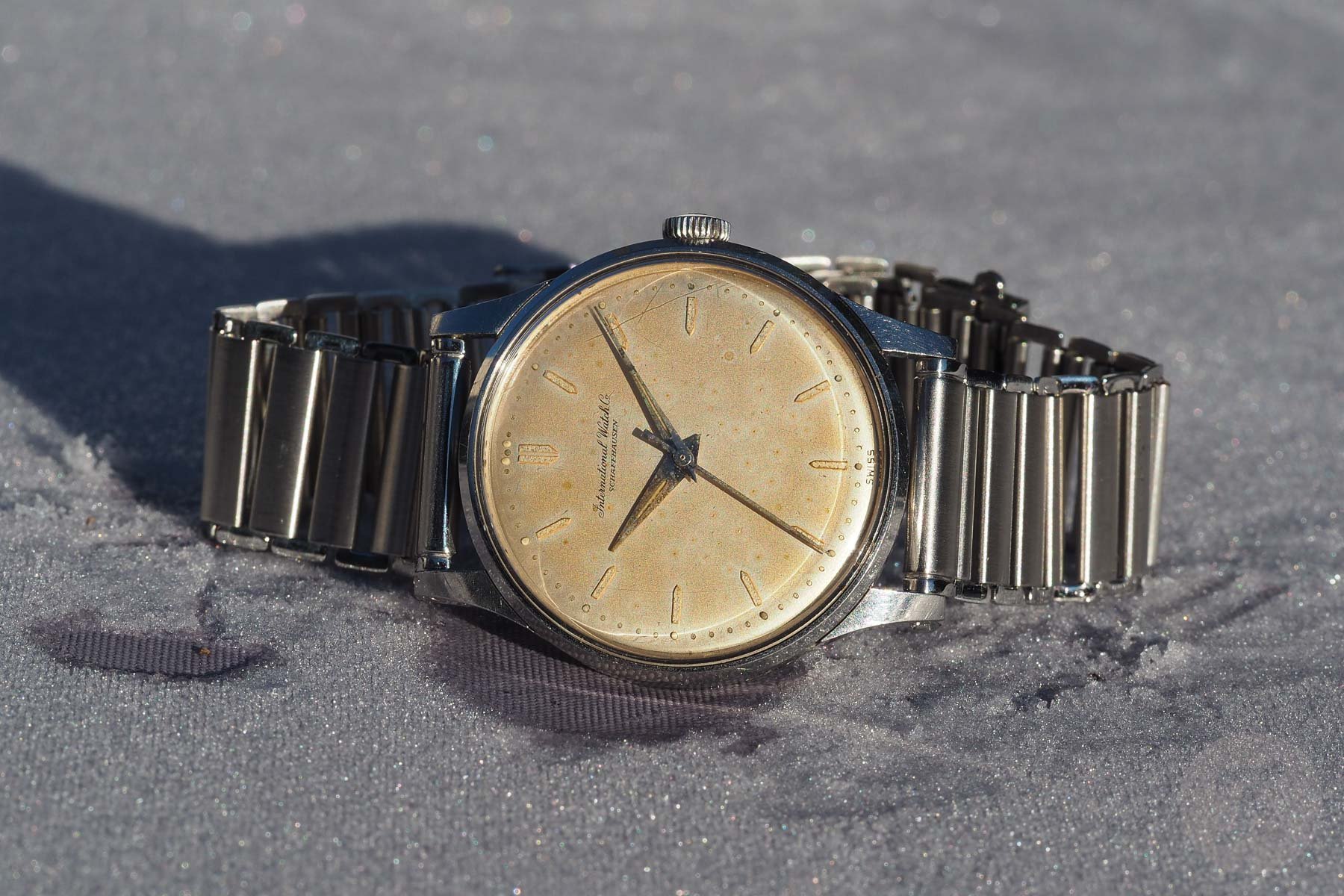
The beauty of these watches also lies in their versatility. Although they were designed as dress watches, they no longer feel restricted to formal wear. A steel IWC Cal. 89 paired with suede or textured leather works effortlessly with tailoring, denim, knitwear, or even a T-shirt. That flexibility feels increasingly relevant in a world where rigid dress codes have largely disappeared. Vintage IWCs retain elegance without appearing stiff or ceremonial.
There is also an emotional dimension to these watches that should not be underestimated. Spend enough time around owners of vintage Cal. 89s, and a pattern emerges: many inherited theirs from fathers or grandfathers. Online discussions are filled with stories of wedding watches, retirement gifts, and treasured heirlooms passed through generations. That emotional continuity says something important about the watches themselves. Truly timeless design tends to survive changing tastes because it is rooted in proportion and quality rather than trends.
Why a timeless vintage dress watch always makes sense
Ironically, the current enthusiasm for integrated-bracelet sports watches may further strengthen the appeal of these vintage IWCs. As collectors tire of hype cycles and oversized cases, many are rediscovering the quiet pleasure of slim, manually wound dress watches. There is something wonderfully calming about winding a Cal. 89 each morning and wearing a watch designed with restraint rather than excess.
In that sense, these watches represent more than good value. They represent an alternative philosophy of collecting. Instead of chasing scarcity, hype, or speculative investment potential, collectors can focus on craftsmanship, design, and emotional connection. Vintage IWC “Calatravas” offer all three in abundance.
Concluding thoughts
Will the market eventually catch up? Perhaps. We are already seeing greater appreciation for mid-century dress watches generally, and pristine examples of vintage IWC references are becoming harder to source. Original dials (especially black ones) and unusual configurations attract increasing attention from knowledgeable collectors.
Yet, even if prices rise, the essential appeal remains unchanged. These watches embody an era when mechanical watchmaking prioritized elegance, engineering integrity, and enduring usability. They are sophisticated without arrogance, luxurious without ostentation, and beautiful without trying too hard. In many ways, that is exactly what a great Calatrava-style watch should be. And right now, few brands deliver that experience with better value than vintage IWC.