Why I Bought The Rolex GMT-Master II Ref. 16710

This summer, I finally realized a lifelong dream — owning a Rolex GMT-Master II. More specifically, I always wanted Rolex’s famous pilot and traveler’s watch with a red-and-blue bezel. As fate would have it, I bought mine the same year Rolex discontinued that configuration from the current catalog. That decision didn’t influence my purchase, though. Over time, I came to realize it was the previous-generation five-digit reference that I truly wanted. The slimmer lugs, non-Maxi dial, and vibrant aluminum bezel captured everything I remembered about the GMT-Master II. There were other reasons too, which I’ll get to shortly. So buckle up, travelers.
Before explaining why I chose the reference 16710, let me take you back to where my fascination with watches began. I vividly remember flipping through yachting magazines and watch catalogs during the ’90s and early 2000s. Watch ads frequently appeared in those magazines, while catalogs from TAG Heuer, Omega, Breitling, and Rolex also became treasured reading material. Breitling stood out thanks to Kevin T. Kelly’s distinctive artwork. Omega fueled boyhood fantasies through its association with James Bond. Rolex, meanwhile, took a far more restrained approach in its advertising.
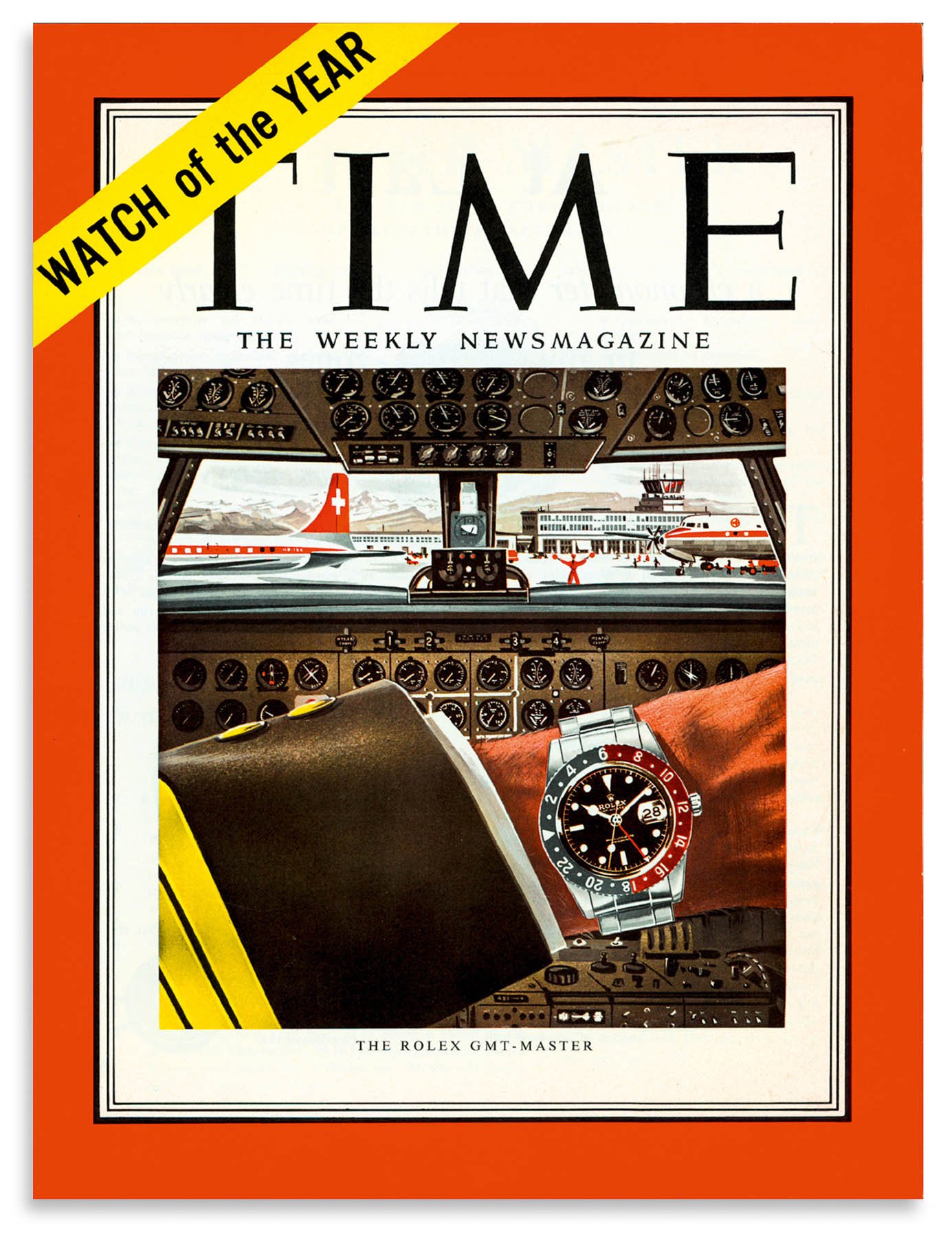
Rolex advertising booklet from the 1950s
My first exposure to Rolex
Among the black-bezel Submariners and grandfather-spec two-tone Datejusts sat a watch unlike anything else — the GMT-Master with its red-and-blue bezel. At the time, I had no idea how a GMT watch worked. Nor did I understand the Pan Am connection or the practical distinction between day and night on a 24-hour scale. What I did know was that the bezel looked unlike anything else in the catalog. My first reaction was disbelief. I couldn’t understand why Rolex would make something so colorful. By modern standards, with jigsaw-puzzle and palm-dial creations now part of the landscape, the “Pepsi” bezel seems almost conservative. Back then, however, it stood out dramatically. Somehow, that image lodged itself firmly in my mind.
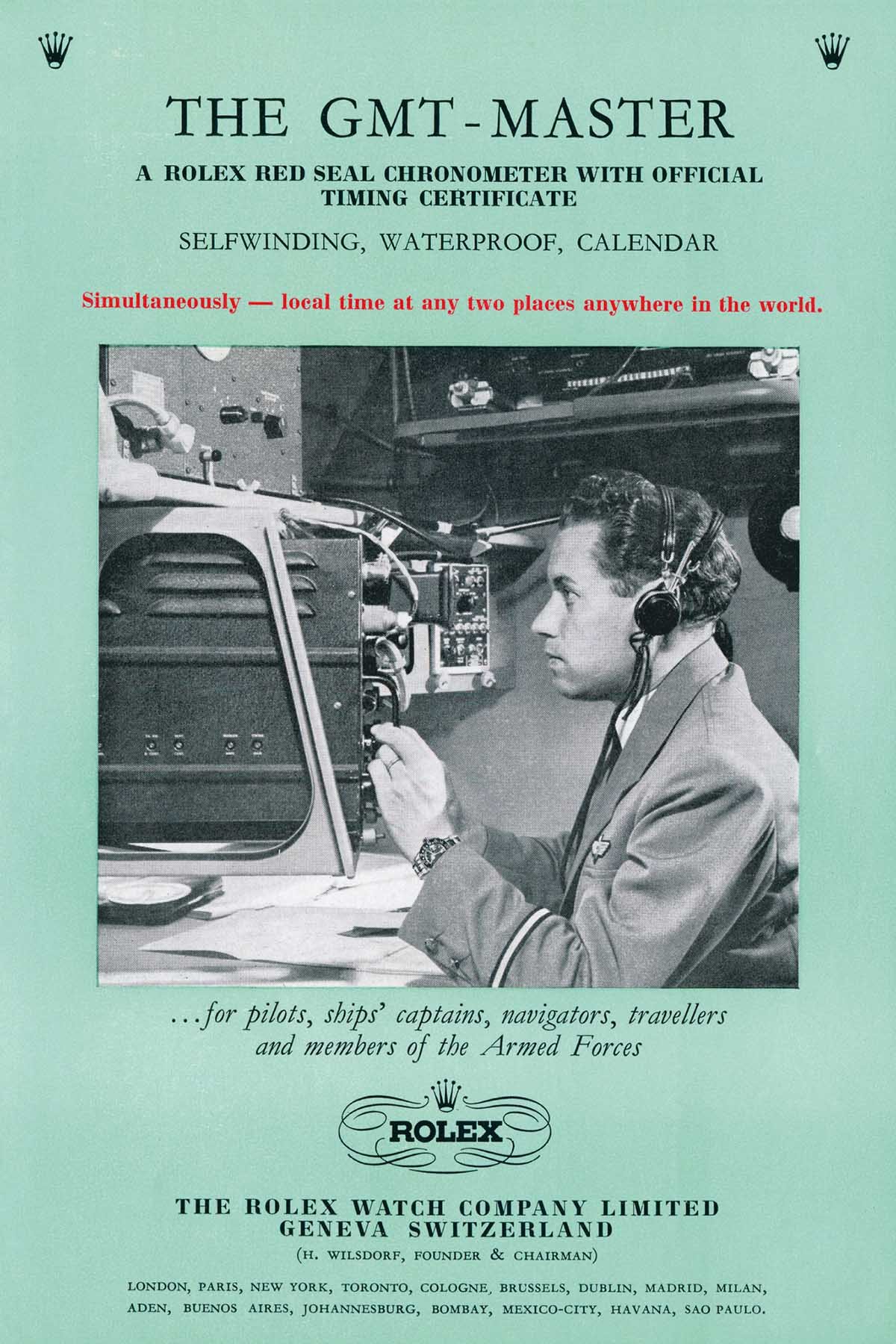
GMT-Master brochure, 1956
I distinctly remember thinking, “When I grow up, I want a Rolex with a red-and-blue bezel.” It would take a while.
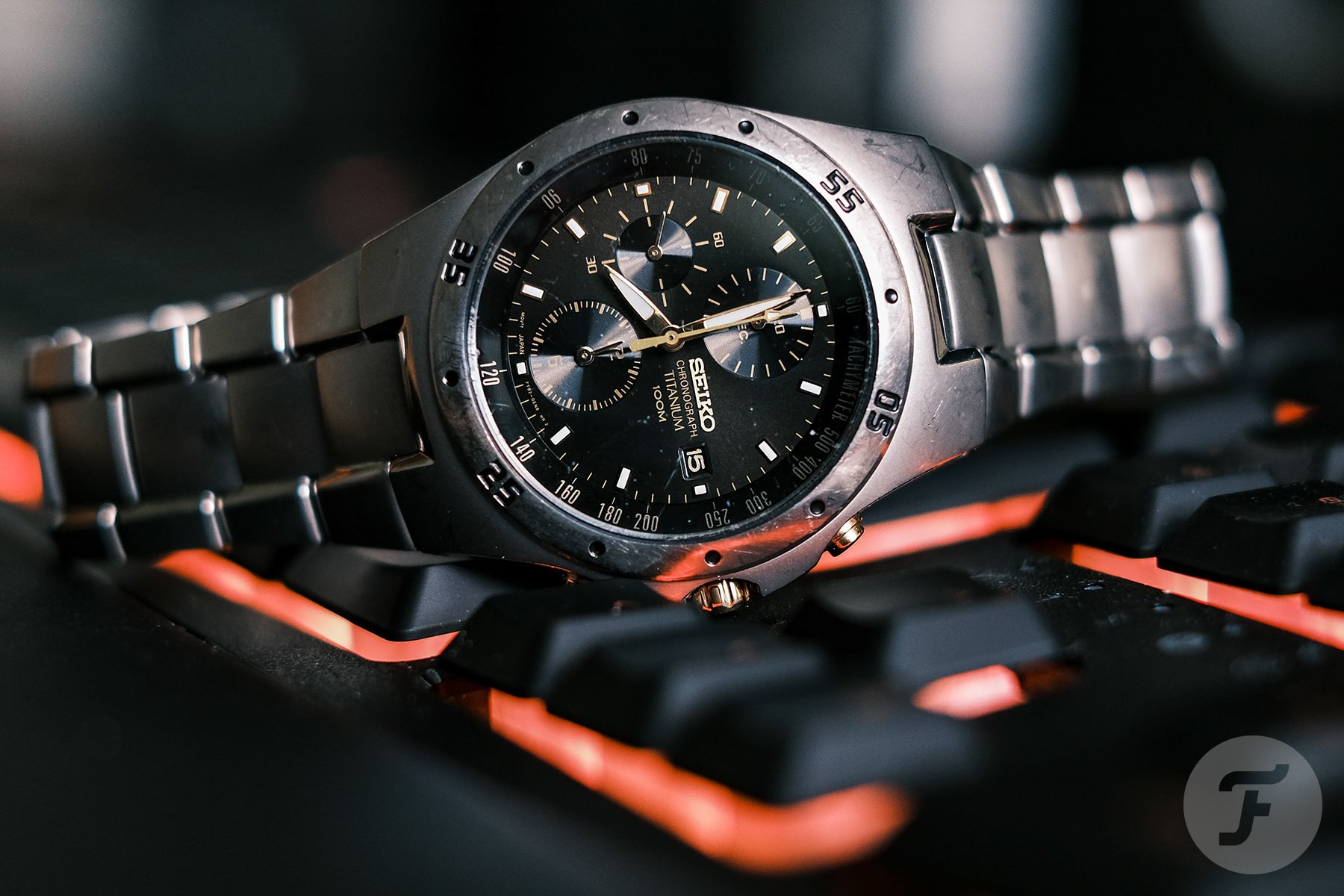
Seiko Titanium Chronograph SND419P1
From around the mid-2000s until 2014, I wore a Seiko Titanium Chronograph SND419P1 almost exclusively. I worked hard to convince my father to buy that watch for me. At £200, it was a significant birthday gift at the time. Instead, he steered me towards the slightly cheaper Citizen Eco-Drive models, but I loved the look and feel of the Seiko. I still own it today, although it spends more time in the watch box than on my wrist.
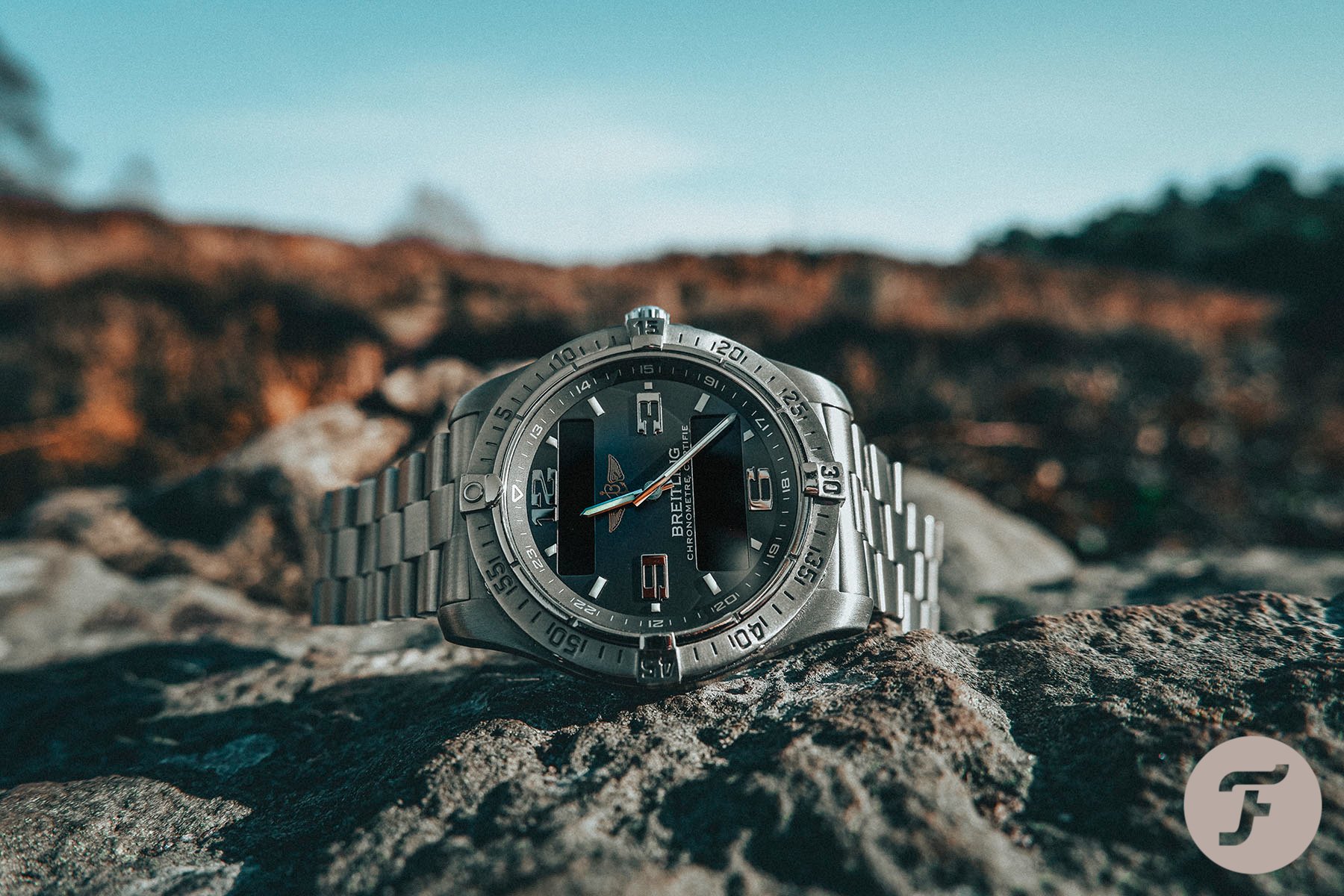
Breitling Aerospace Avantage
Returning to Switzerland
Everything changed in 2014 when my father handed down his Breitling Aerospace Avantage as I began my professional career. Wearing a Swiss watch reignited a passion that had never really disappeared. Before long, I had fallen deep down the rabbit hole. I started writing about watches with Kristian Haagen in 2016, joined Fratello in 2019, and dove deeper into the hobby and industry.
Ironically, during much of that period, Rolex didn’t offer a steel GMT-Master II with a red-and-blue bezel. My ultimate dream watch remained out of reach. At the time, I firmly believed newer was better. As a newcomer to collecting, buying pre-owned watches held little appeal. Over the years, that perspective gradually changed.
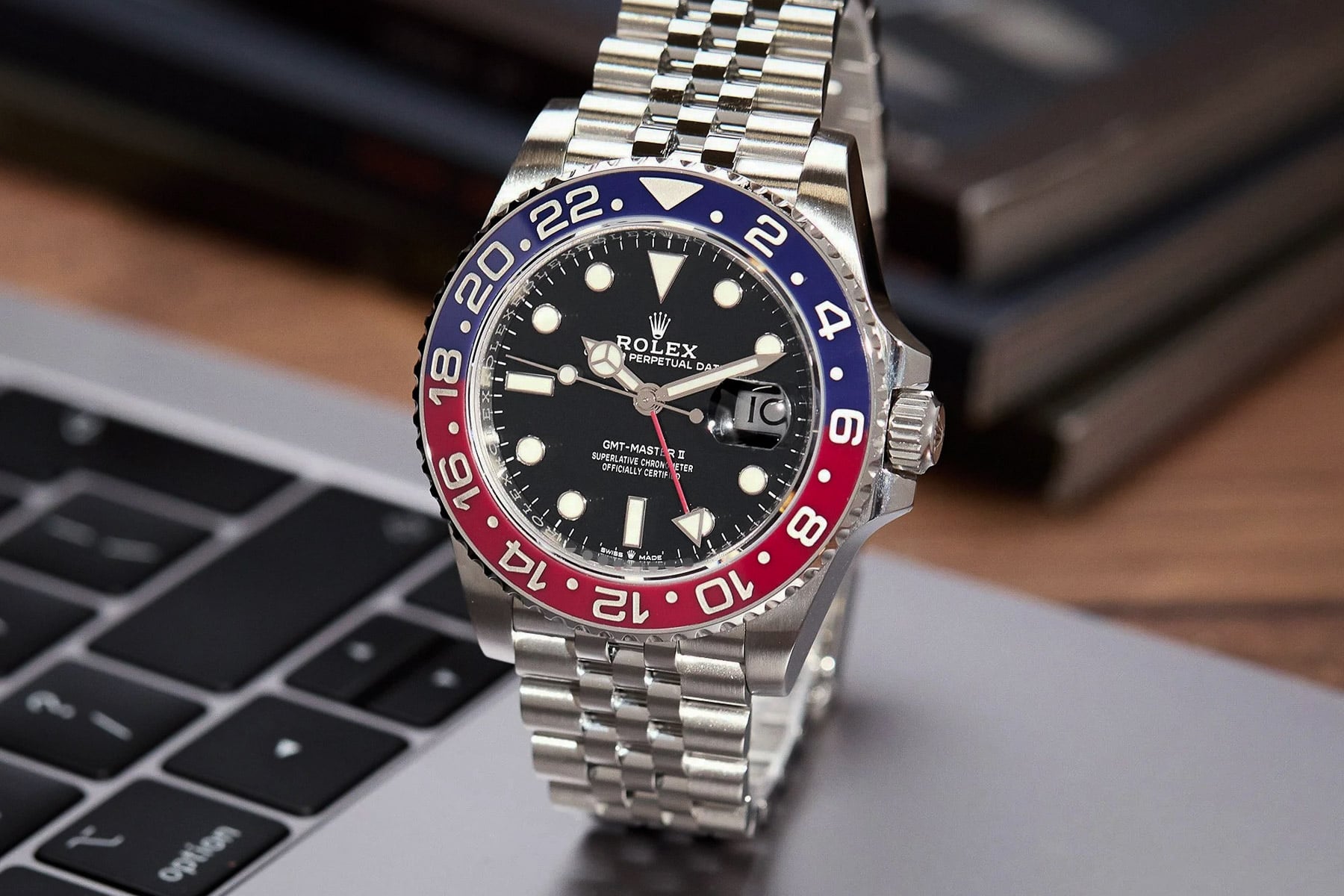
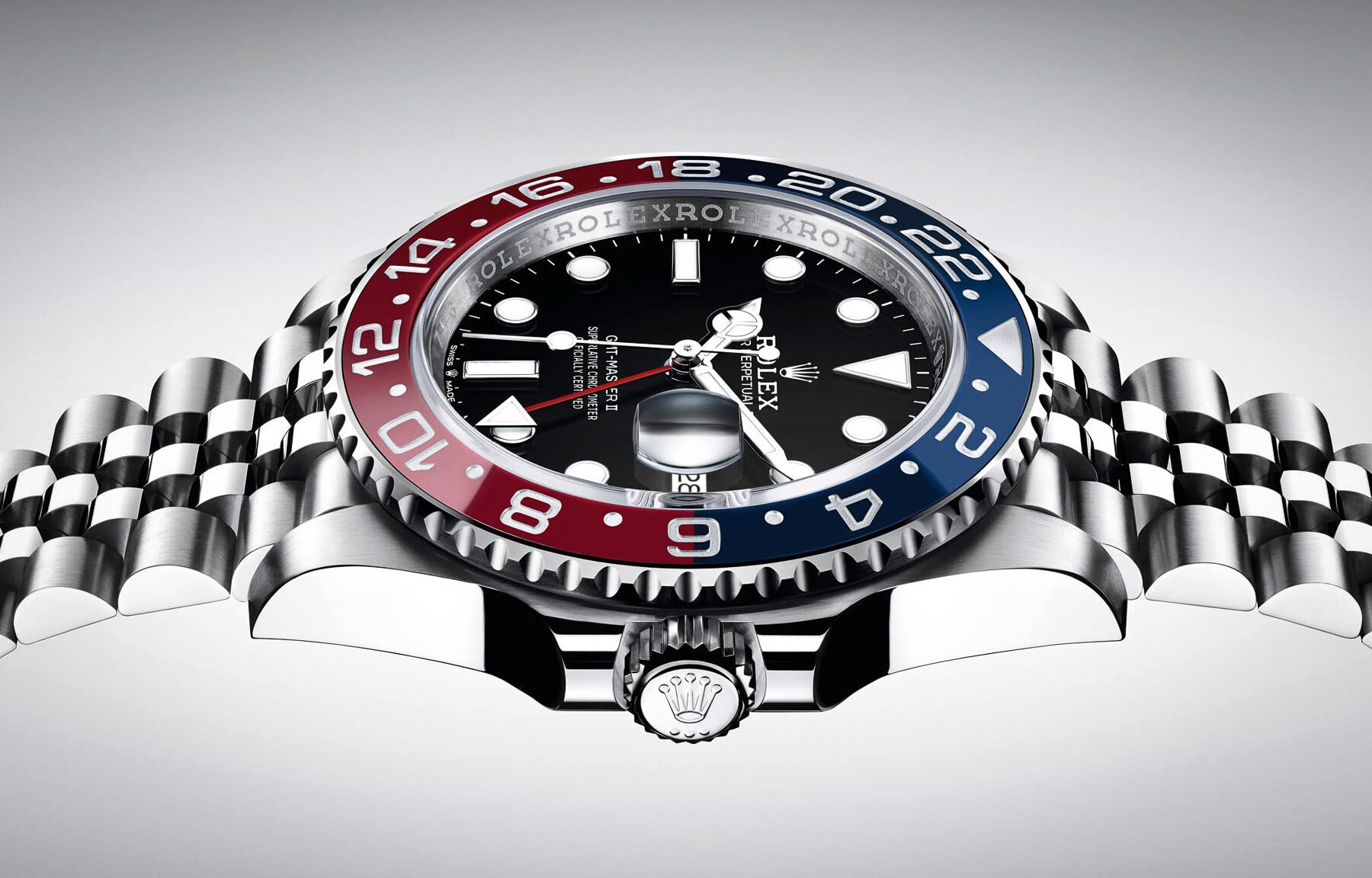
Then, in 2018, Rolex brought back the Pepsi GMT-Master II in stainless steel. Finally, I thought the circle would close. This was the watch that had occupied my imagination for nearly two decades. I added my name to the waiting list on launch day and settled in for what I expected would be a long wait.
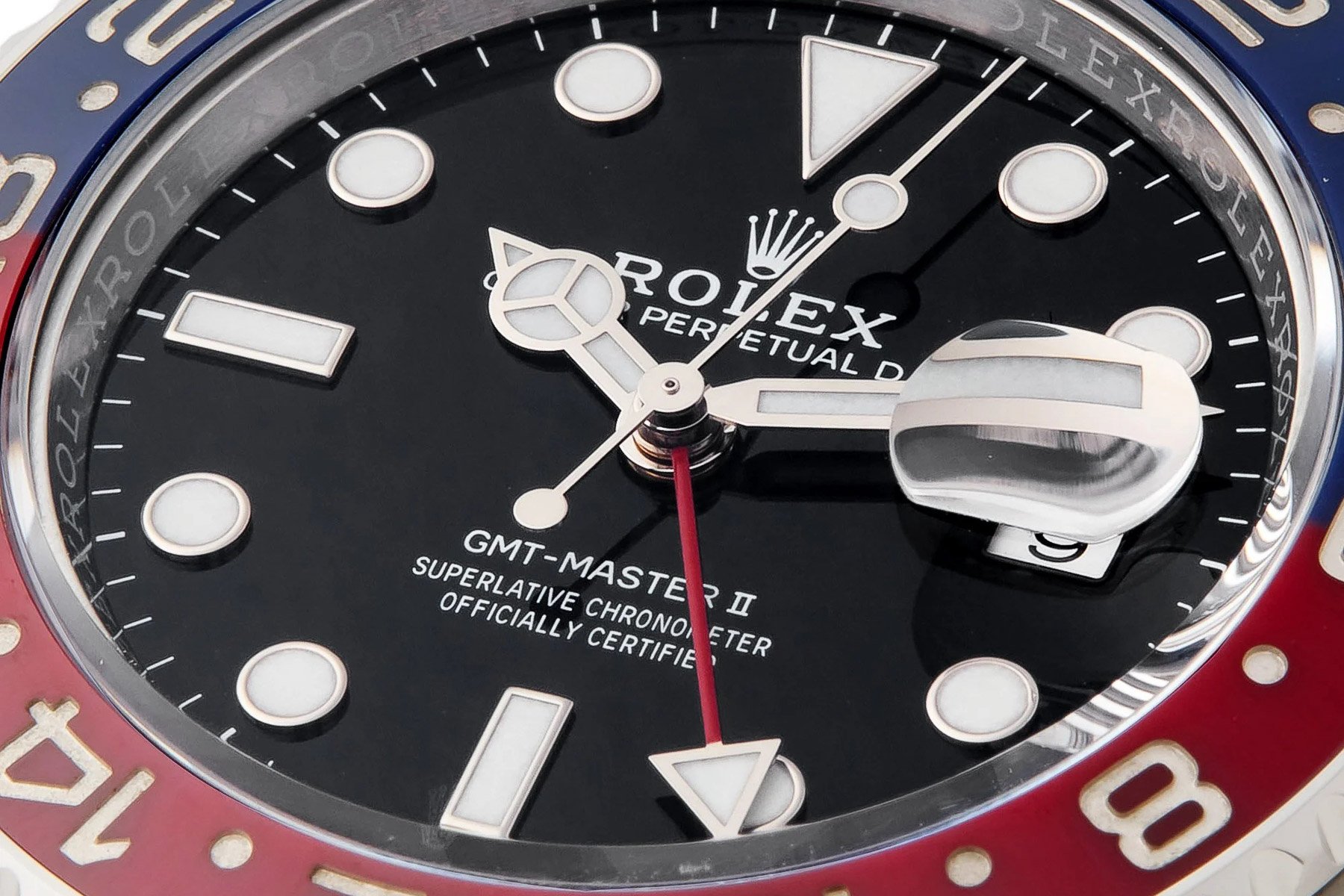
Image: The Watch Barn
The call never came
Eventually, I learned that a sales associate was reluctant to sell me a Rolex because of my association with watch media. Rather than give up something I genuinely enjoyed, I accepted the situation and moved on. I could have started again with another authorized dealer, but the thought of rebuilding years of purchase history from scratch wasn’t particularly appealing.
In hindsight, that may have been a blessing.
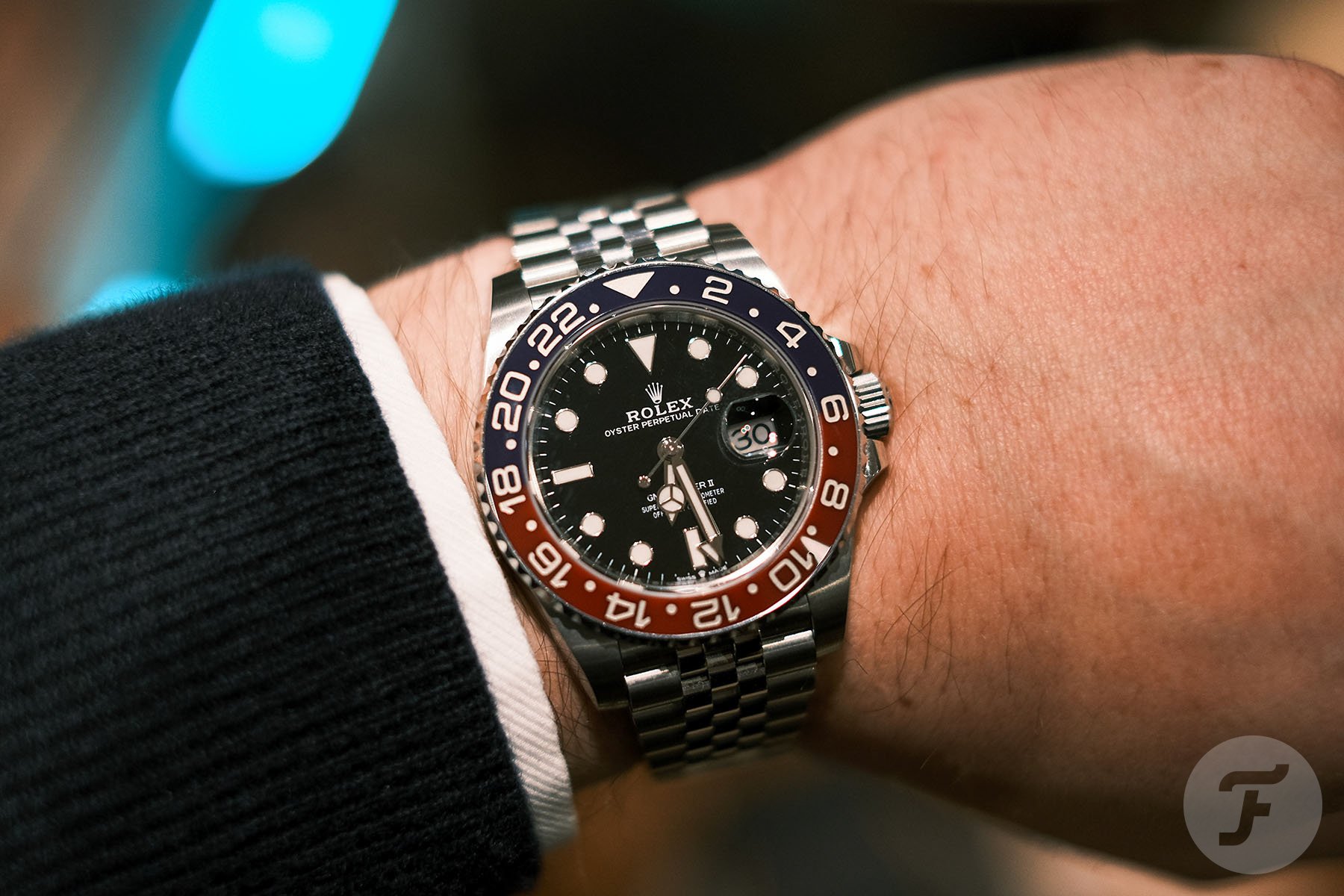
Rolex GMT-Master II 126710BLRO
Over the following years, I spent plenty of time with friends’ GMT-Master II ref. 126710BLRO watches. Trying it on for the first time, I expected an Anton Ego ratatouille moment, in which the watch would instantly transport me back to those catalog pages from my childhood. Instead, nothing connected. The Maxi dial details looked oversized. The ceramic bezel felt muted compared to the aluminum inserts I remembered. Even the Jubilee bracelet, with its polished inner links, felt flashier than I expected.
Most importantly, it didn’t resemble the watch that had captured my imagination in the late 1990s and early 2000s. My dream watch had never really been the modern GMT-Master II. It had always been the one that came before it.
The hunt begins
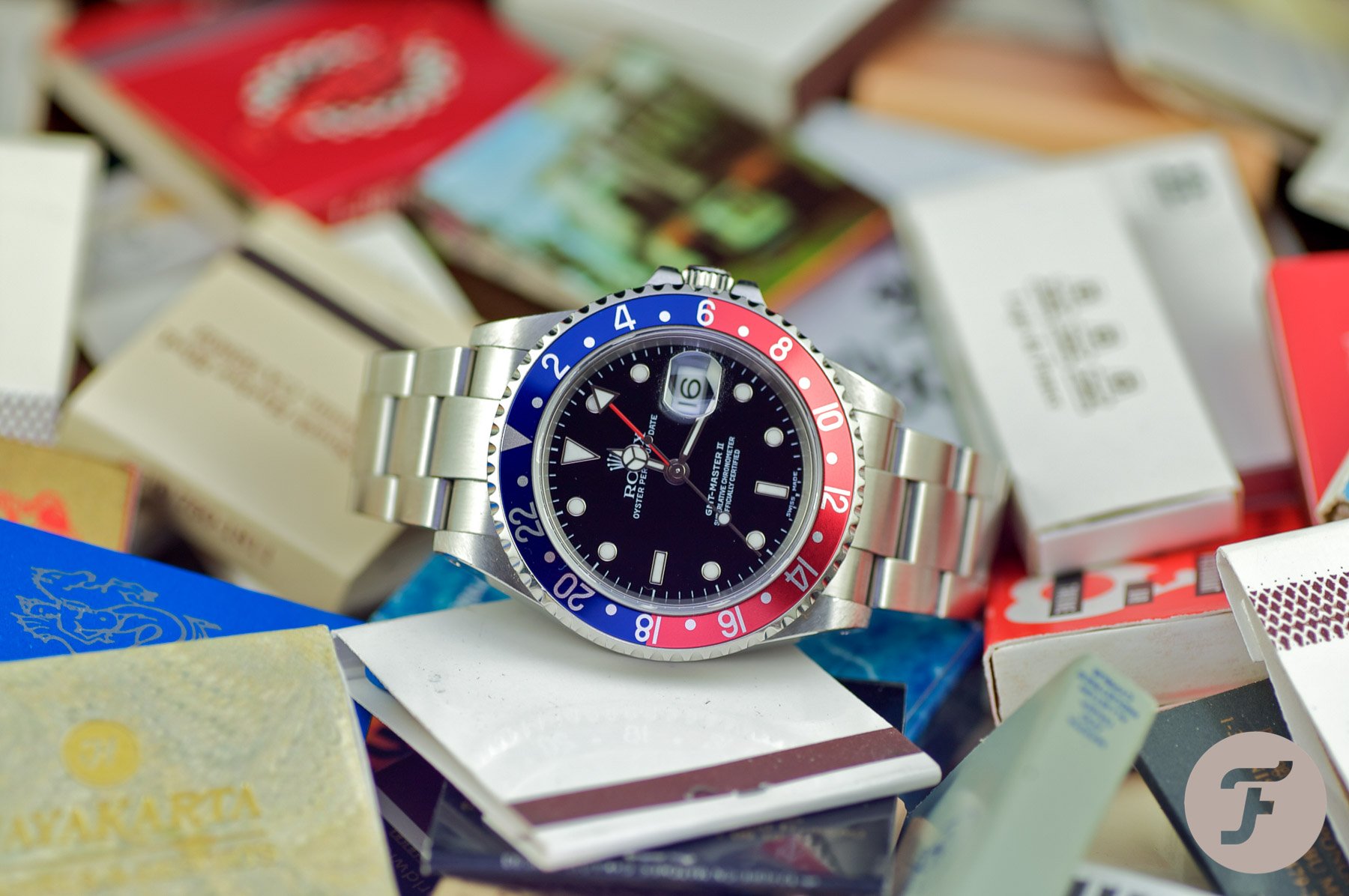
So, with my dream GMT-Master II established as the reference 16710, it should have been as simple as going out and buying one, right? Well, there were certainly plenty available. The problem is that the reference ran from 1989 to 2007, creating a minefield of variations and sub-categories to navigate.
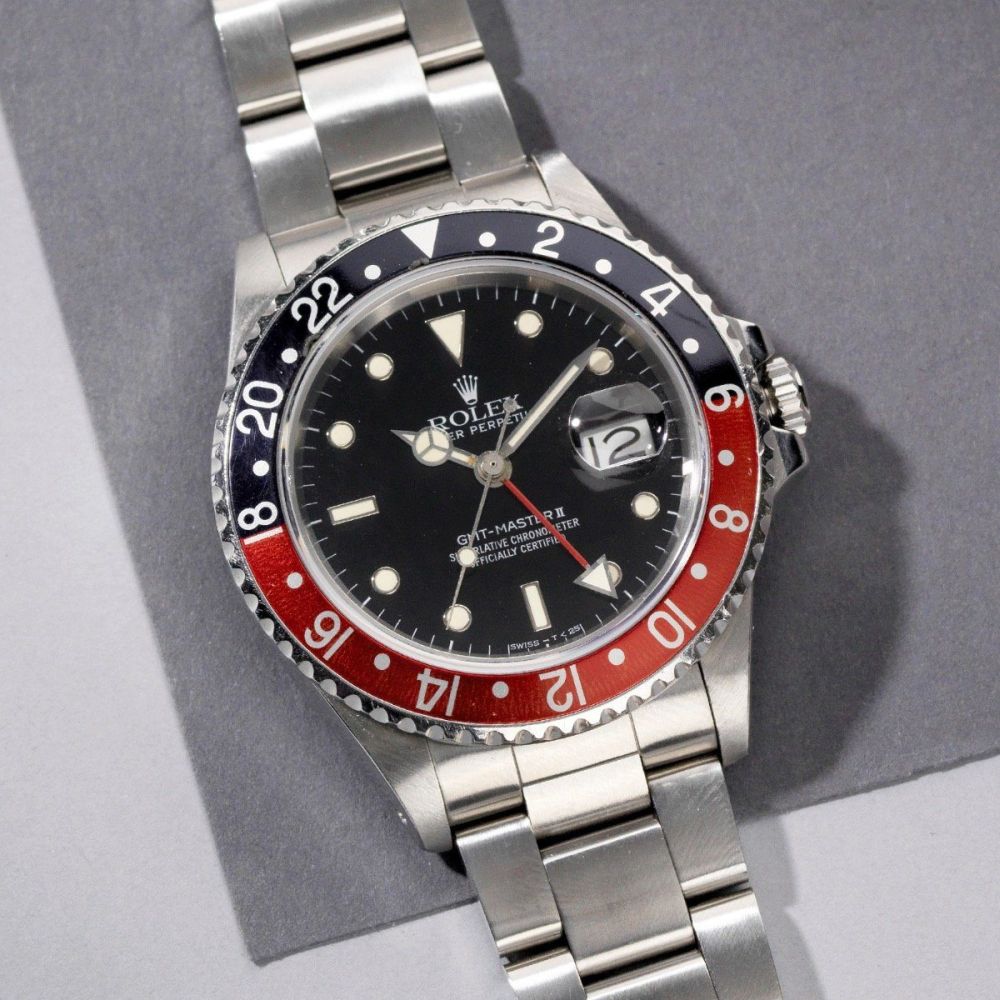
Rolex GMT-Master II ref. 16760 “Fat Lady” — Image: Bulang & Sons
Eighteen years is an unusually long production run for any watch reference, and Rolex introduced numerous changes along the way. The 16710 was also the second GMT-Master II to feature an independently adjustable local hour hand, making it one of the most user-friendly GMT watches ever made. Before it came the reference 16760, produced from 1982 to 1988 and known among collectors as the “Fat Lady” or “Sophia Loren.” That watch introduced the red-and-black “Coke” bezel to the GMT-Master II line but carried a noticeably thicker case due to its movement architecture. Rolex managed to slim everything down for the 16710, creating a much more versatile watch.
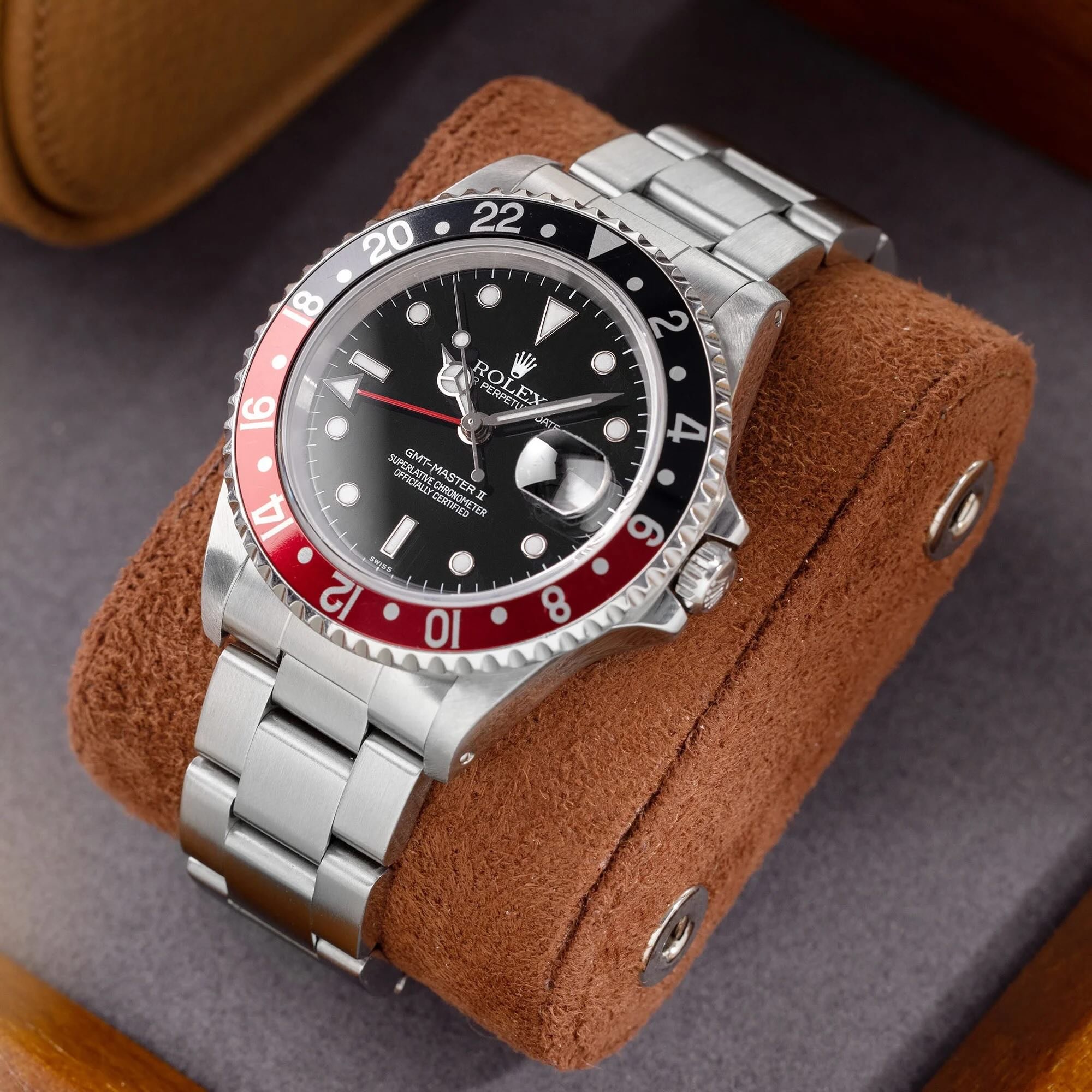
Rolex GMT-Master II 16710 with “Coke” bezel — Image: Bulang & Sons
There were plenty of opportunities to chase a birth-year example from 1989. Instead, I focused on finding a watch from the same era in which I first discovered the GMT-Master II in those catalogs. Rather than pinning myself to a specific year, I narrowed the search to roughly 2000 through 2005 and began weighing the merits of each evolutionary step.
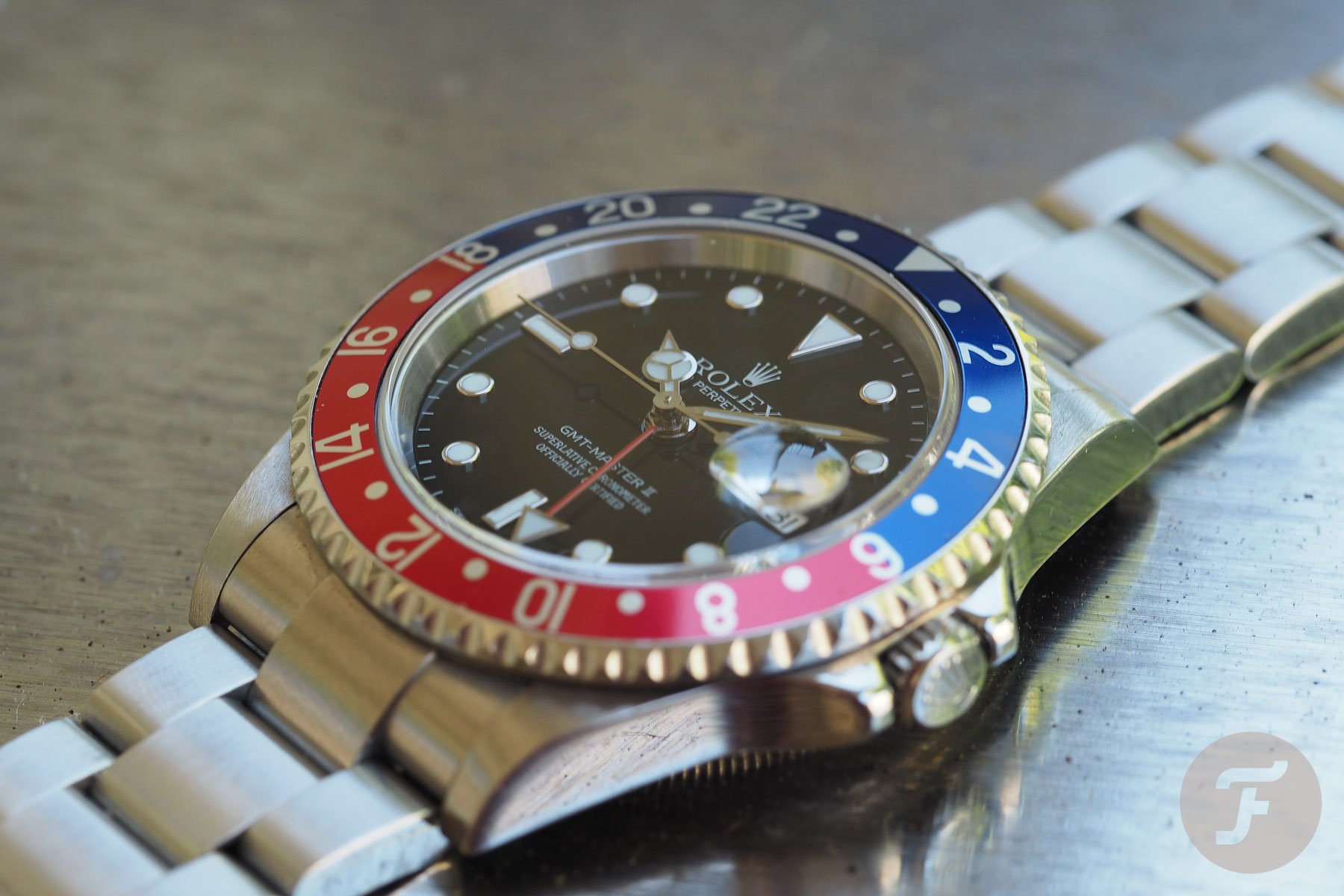
Refining my search
What I wanted was a blend of modern upgrades and neo-vintage charm. By 2000, Rolex had transitioned to Super-LumiNova, giving the watch a brighter and longer-lasting green glow than tritium. Another welcome update was the switch from hollow to solid end links. The older folded-steel design always felt slightly crude to me, using protruding tabs beneath the lugs to secure the bracelet. While certainly functional, it was not particularly elegant. Solid end links were an easy box to tick.
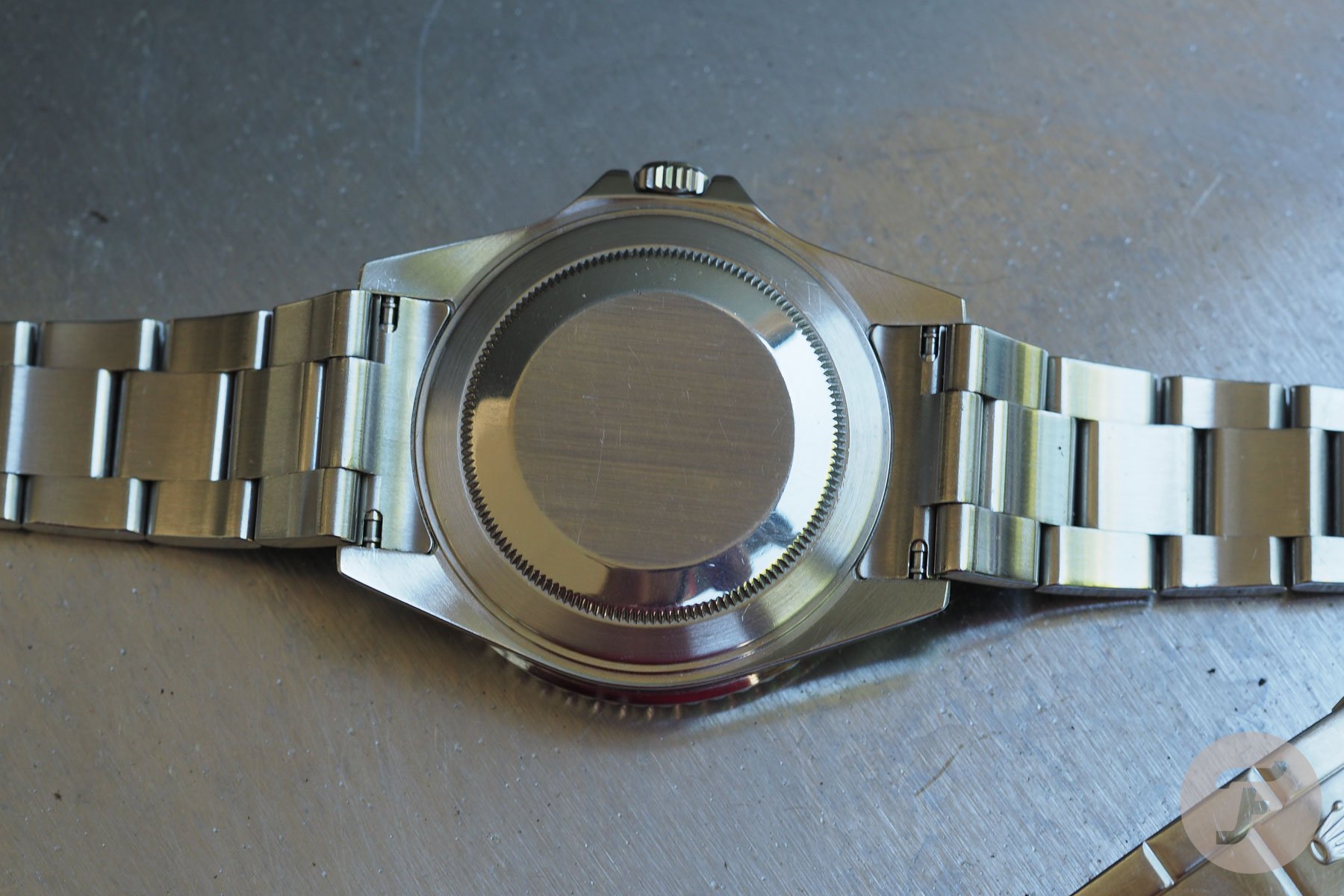
Even then, I was nowhere near narrowing down the search. The next major decision was whether to go for drilled exterior lug holes or smooth case sides. Ultimately, I felt the no-holes case paired more naturally with the later bracelet upgrades. That preference narrowed the field considerably, leaving me looking primarily at watches from late 2002 through 2005.
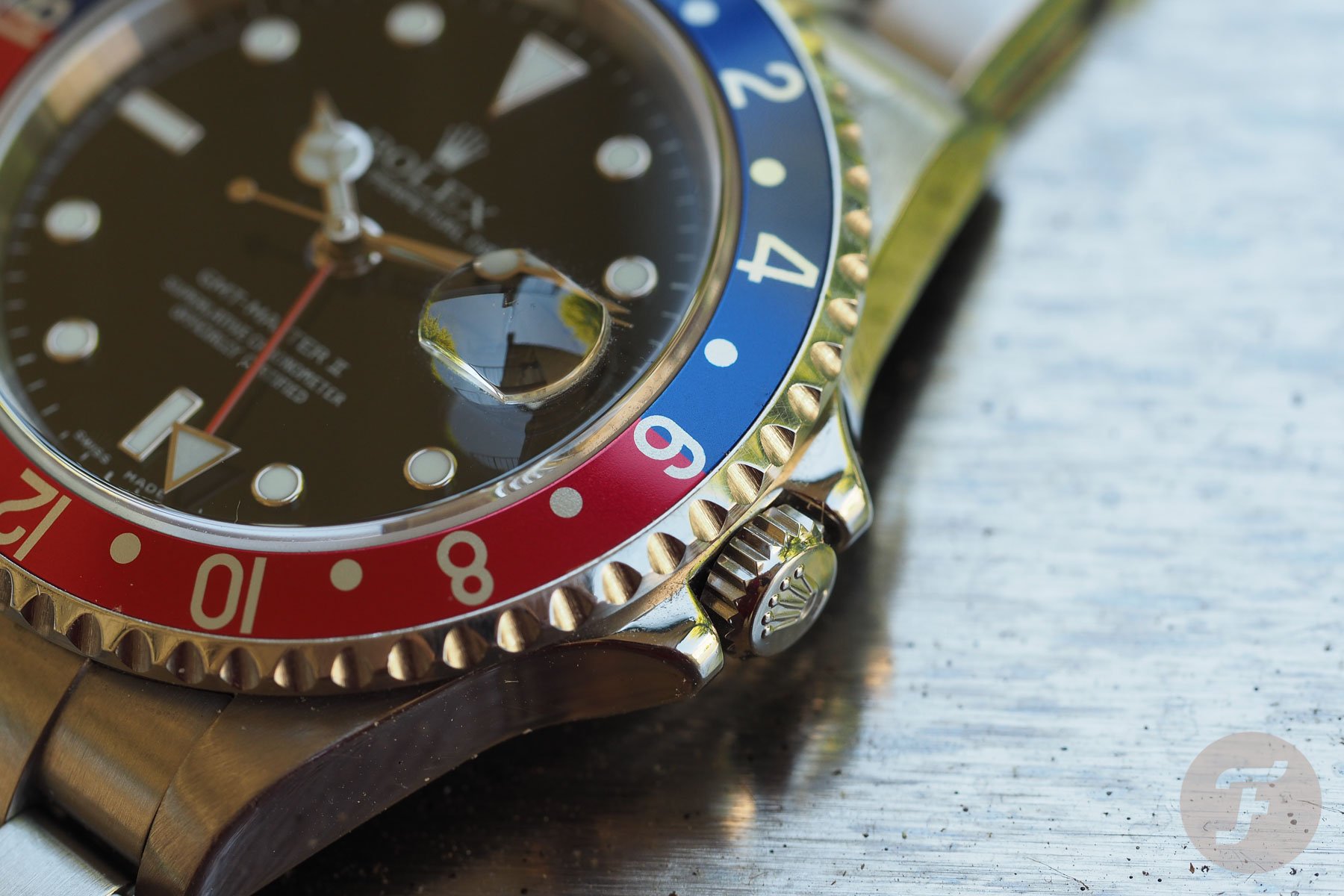
It also meant that most candidates would feature the later sans-serif or block-font bezel insert.
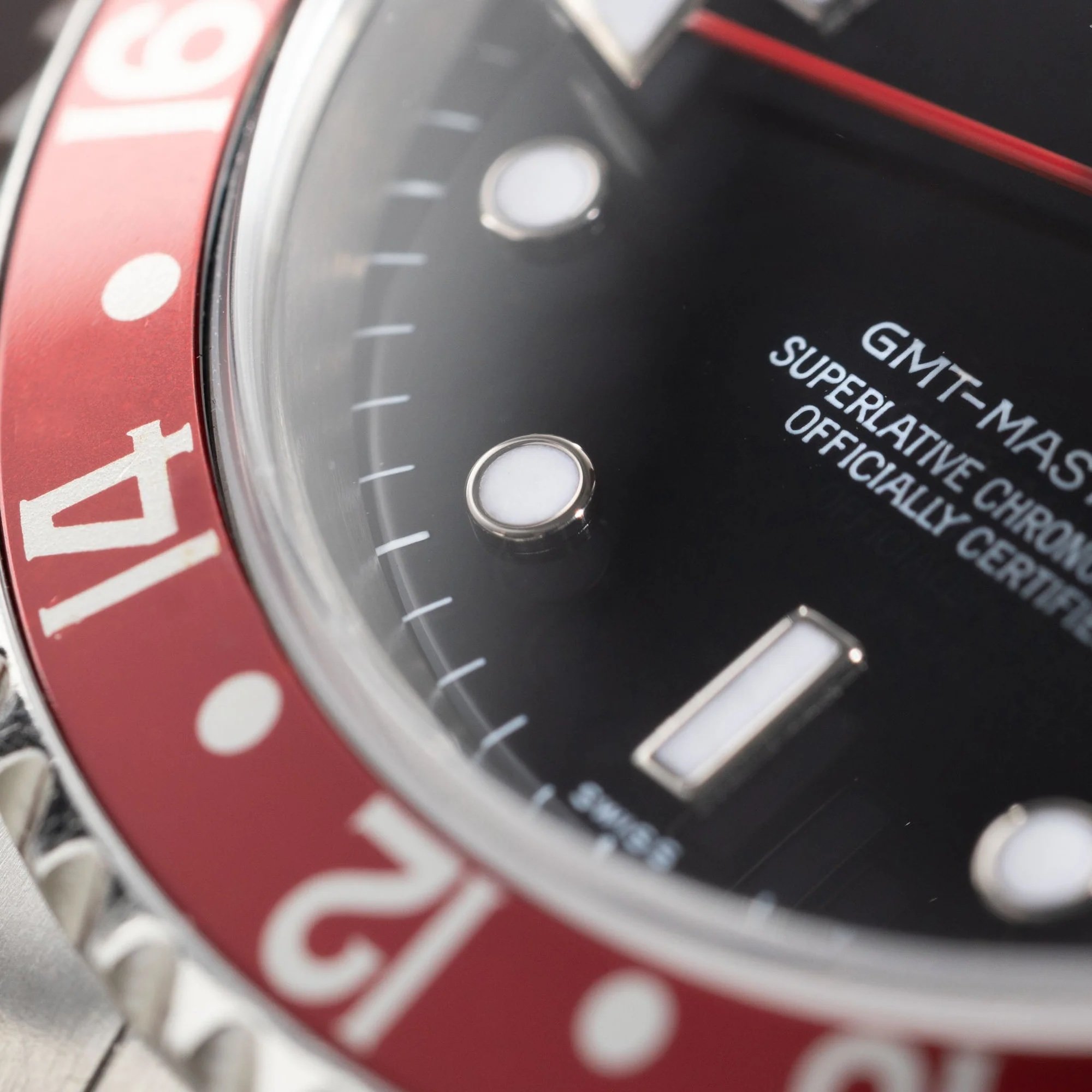
Rolex GMT-Master II 16710 with serif bezel — Image: Bulang & Sons
The Goldilocks effect
With those parameters in place, the search started to make more sense.
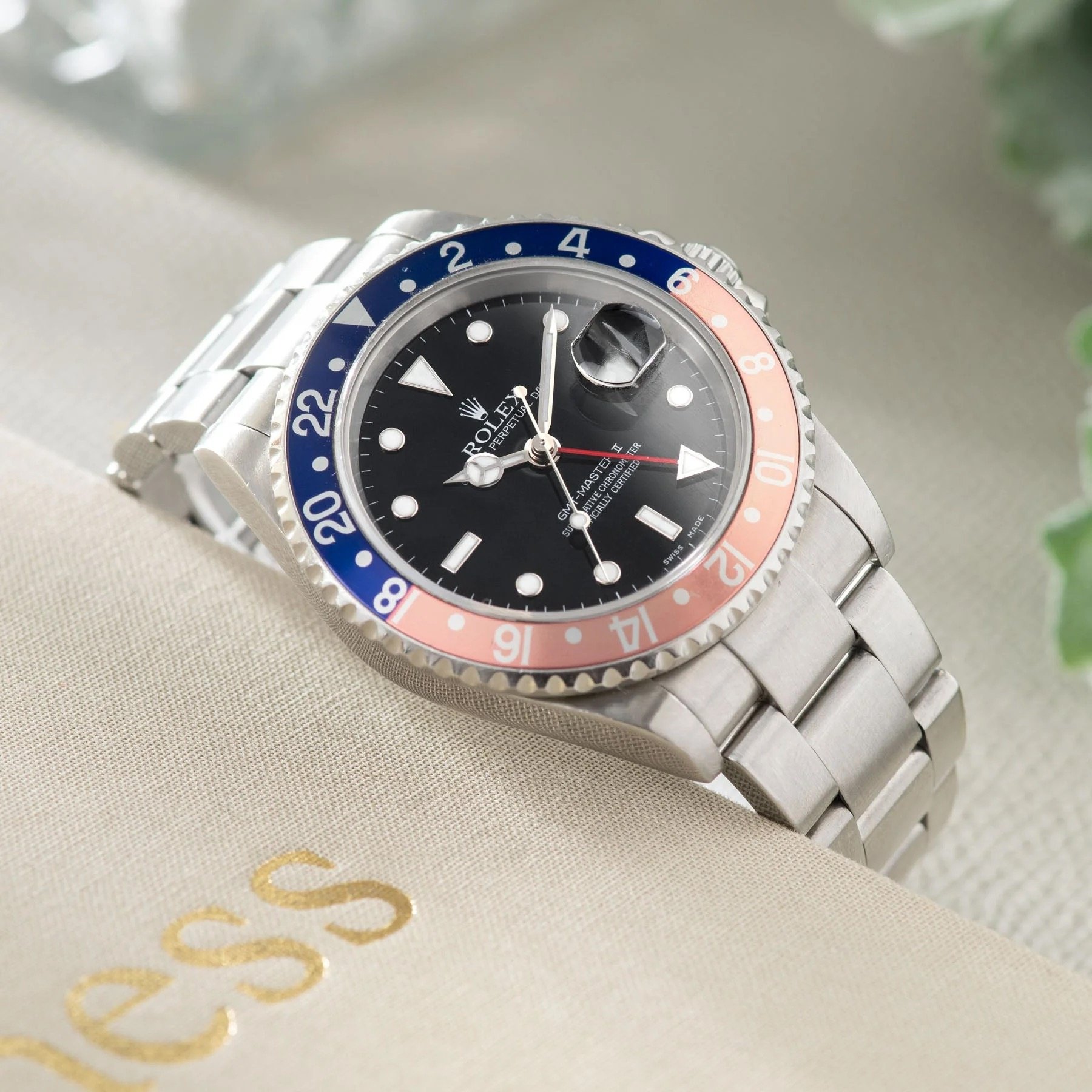
Image: Bulang & Sons
At the top end of the market, Rolex Certified Pre-Owned offered some excellent examples. The premium, however, was difficult for me to justify. The Rolex warranty and spend-history contribution certainly had some appeal, but many respected independent dealers also offer one- or two-year warranties. At the opposite end of the spectrum, I visited Hatton Garden in London and viewed examples lacking boxes, papers, or particularly convincing provenance.
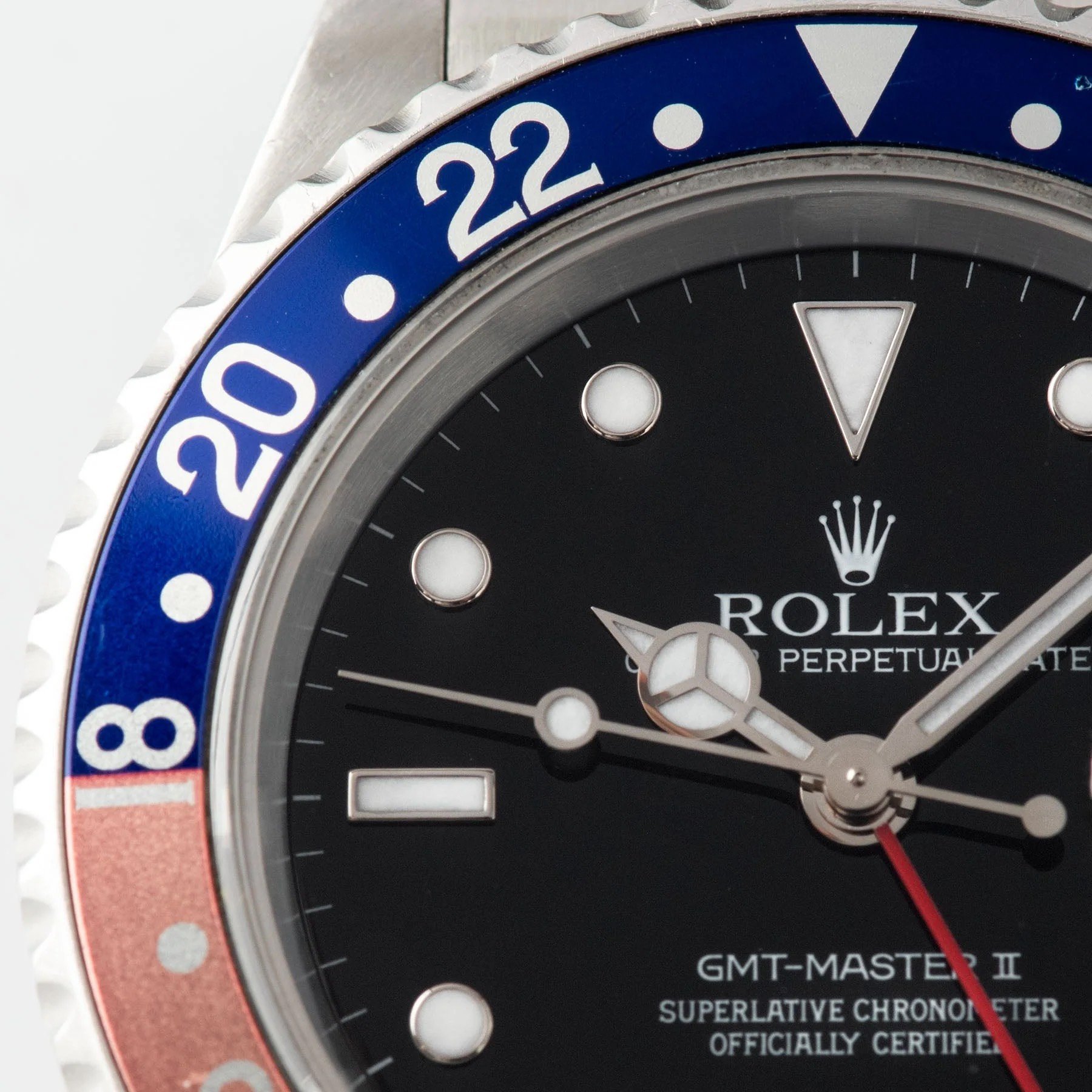
Image: Bulang & Sons
Those experiences were invaluable. Looking at watches across the entire pricing range quickly taught me what mattered most. For a luxury purchase like this, I wanted the complete package — original box, papers, booklets, and documented service history.
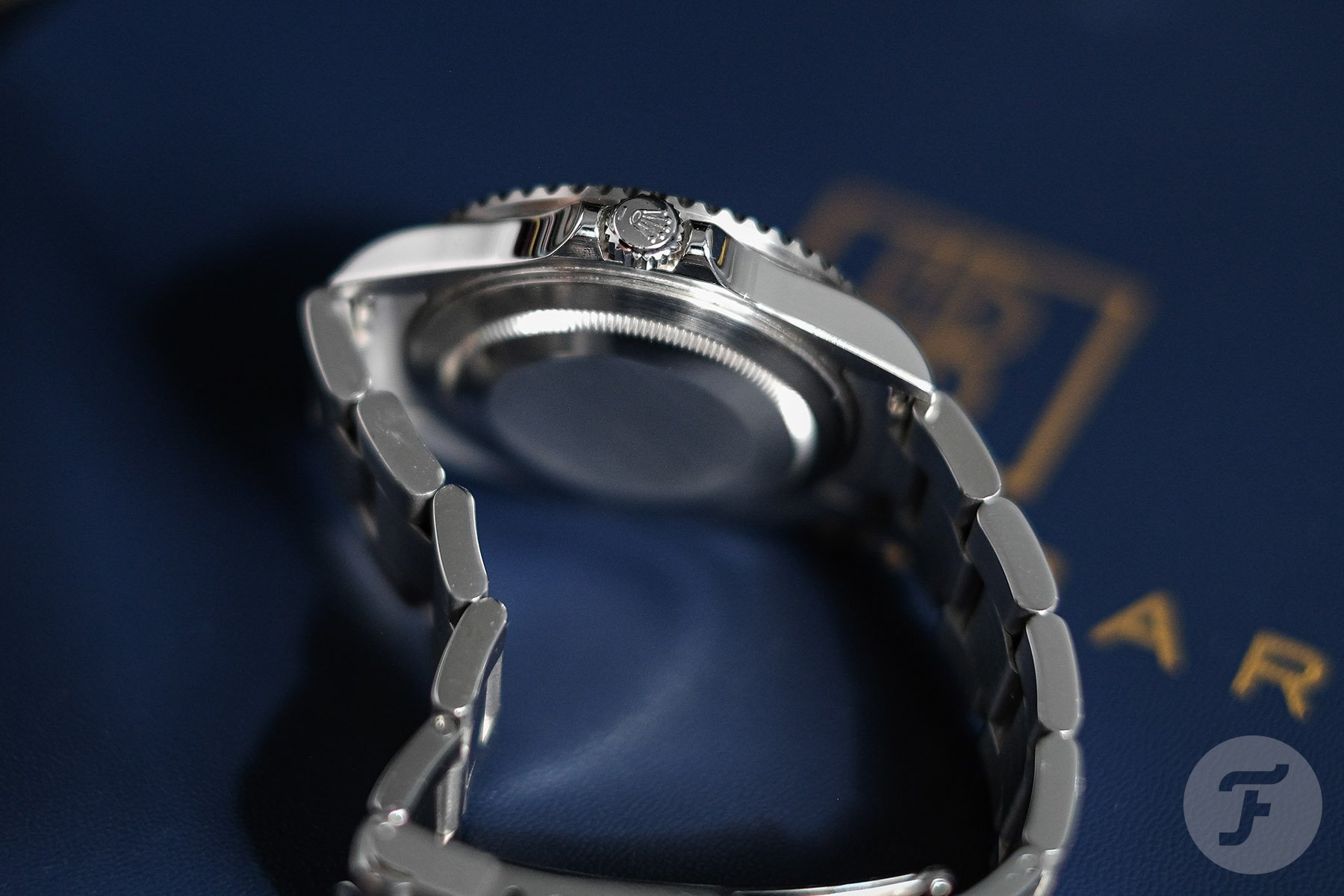
Eventually, I found a fantastic example through Chrono24 from a UK dealer. The watch dated to 2003 and was originally supplied through Rolex UK in Manchester. It was also a late Y-series example, making it one of the earliest GMT-Master II references without the drilled lug holes.
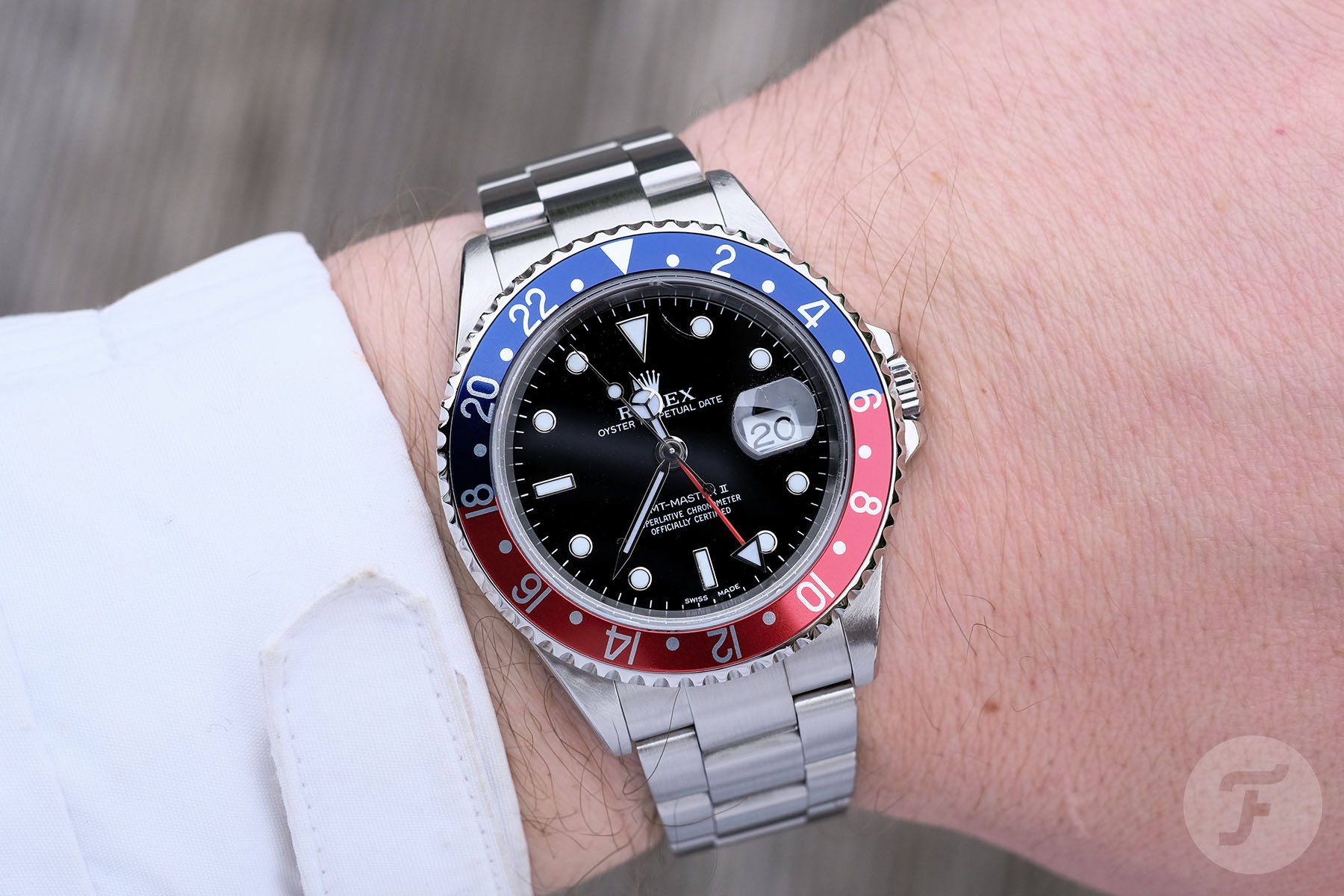
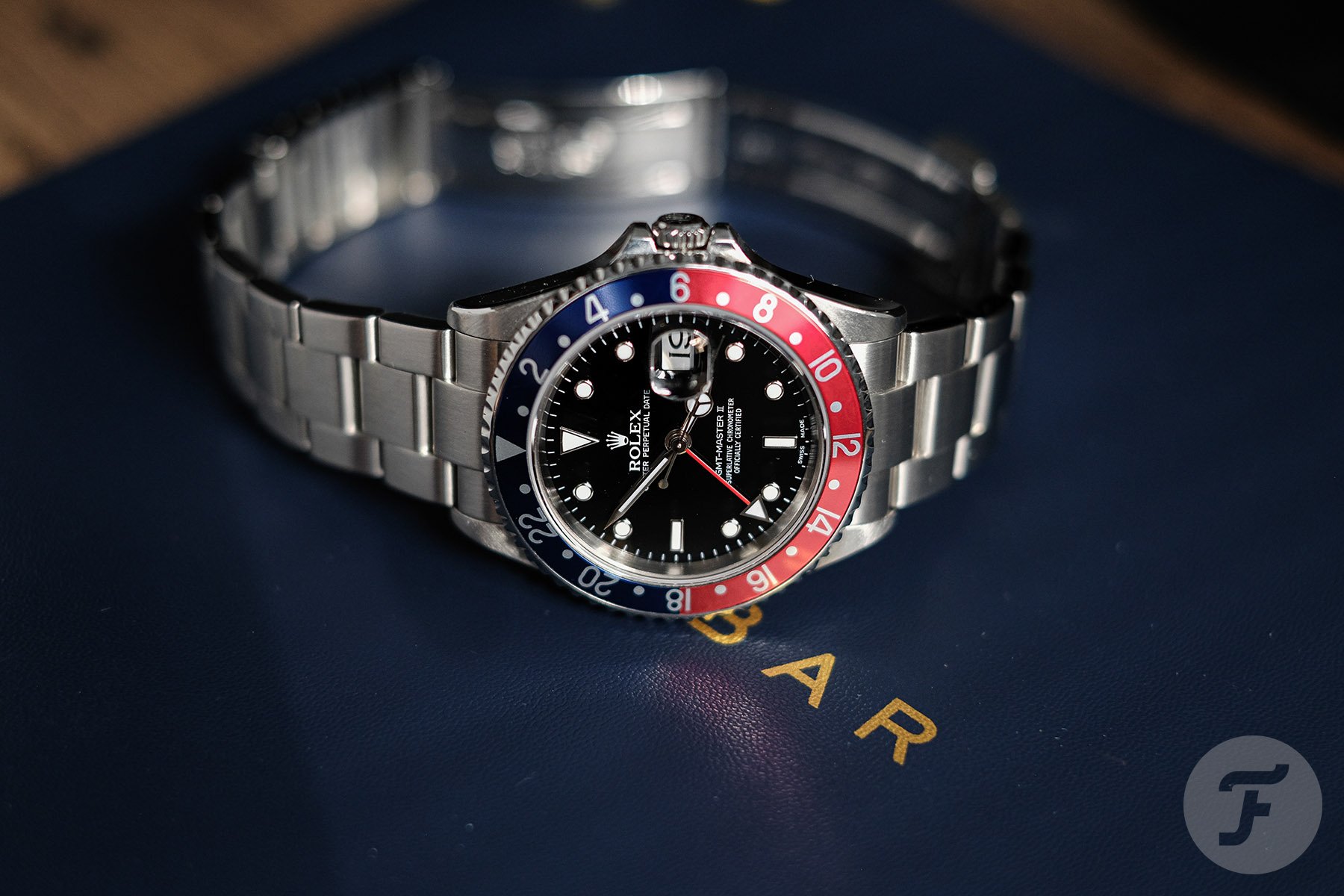
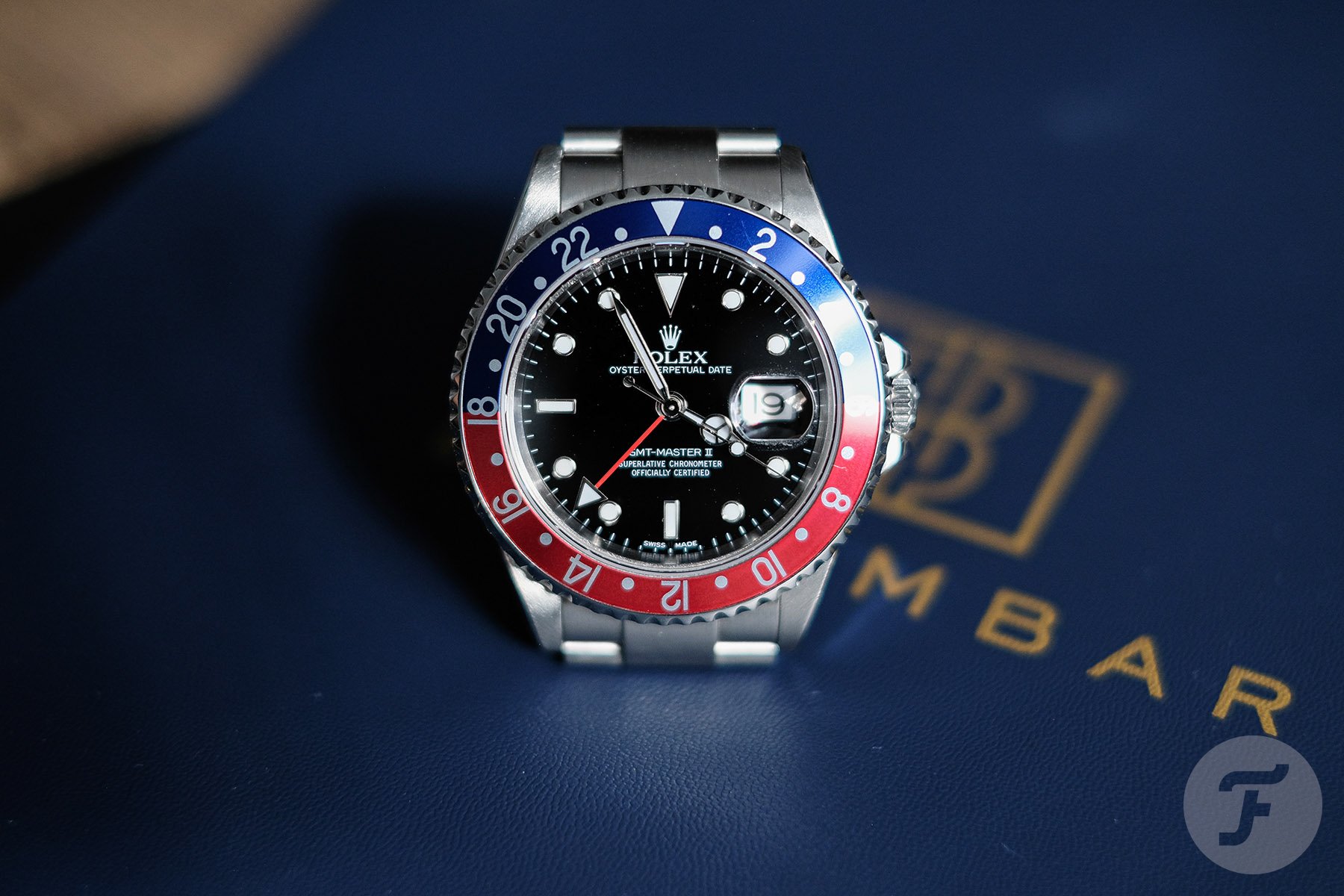
My Rolex GMT-Master II ref. 16710
My only hesitation was a slightly damaged sapphire crystal. More on that shortly.
The bezel had also been replaced in 2023, exactly 20 years after the watch was originally sold. Fortunately, Rolex had done the work, and the replacement remained a historically correct red-and-blue insert with the later sans-serif font. That detail mattered because some GMT-Master IIs began life with black bezels before later gaining red-and-blue inserts. Rolex documentation gave me confidence that this watch left the factory as a Pepsi and remained one today.
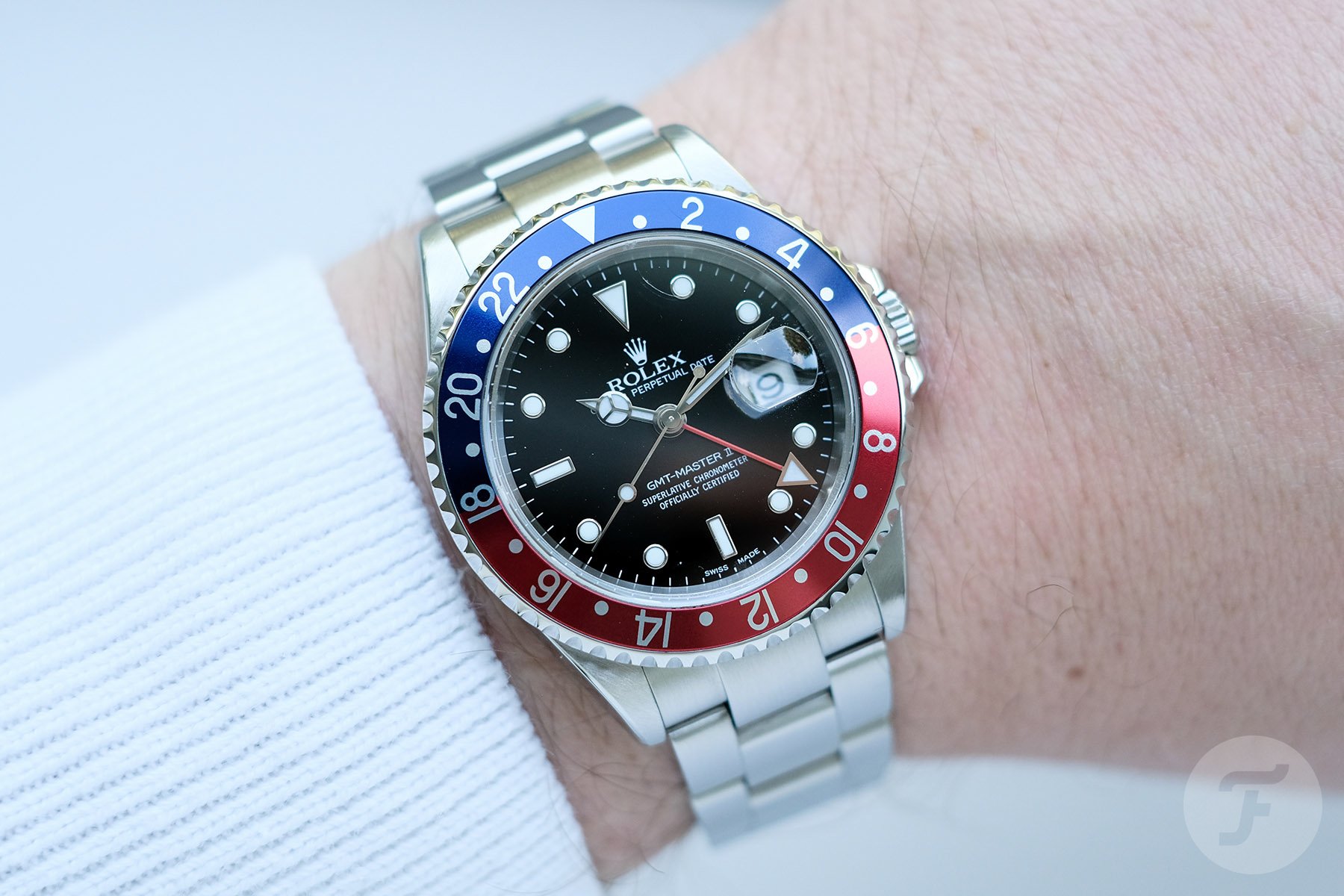
The crystal damage, while unfortunate, was relatively easy to address. Given the overall condition of the case, bracelet, and accompanying paperwork, it wasn’t enough to derail the purchase. Seeing the watch in person proved essential. I was never going to spend £10,000 without handling it first.
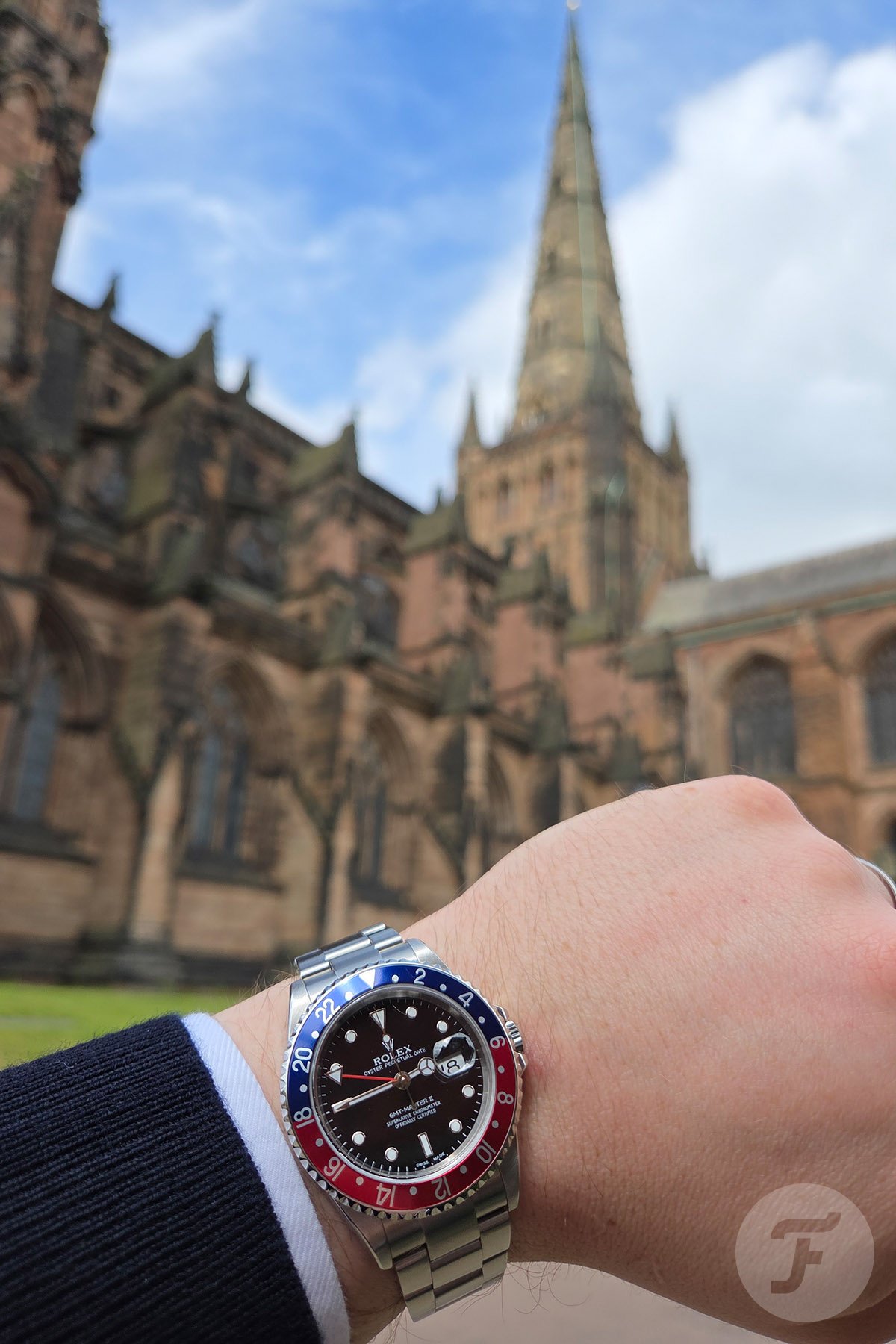
With my mind made up, I completed the deal and took the watch home. But that was not before spending some time exploring the dealer’s city and photographing the GMT-Master II against the backdrop of its spectacular cathedral.
I did briefly consider looking at much later examples from 2006 and 2007. These final-production watches with “stick” dials sometimes housed the upgraded caliber 3186, featuring Rolex’s blue Parachrom hairspring and a refined GMT mechanism.
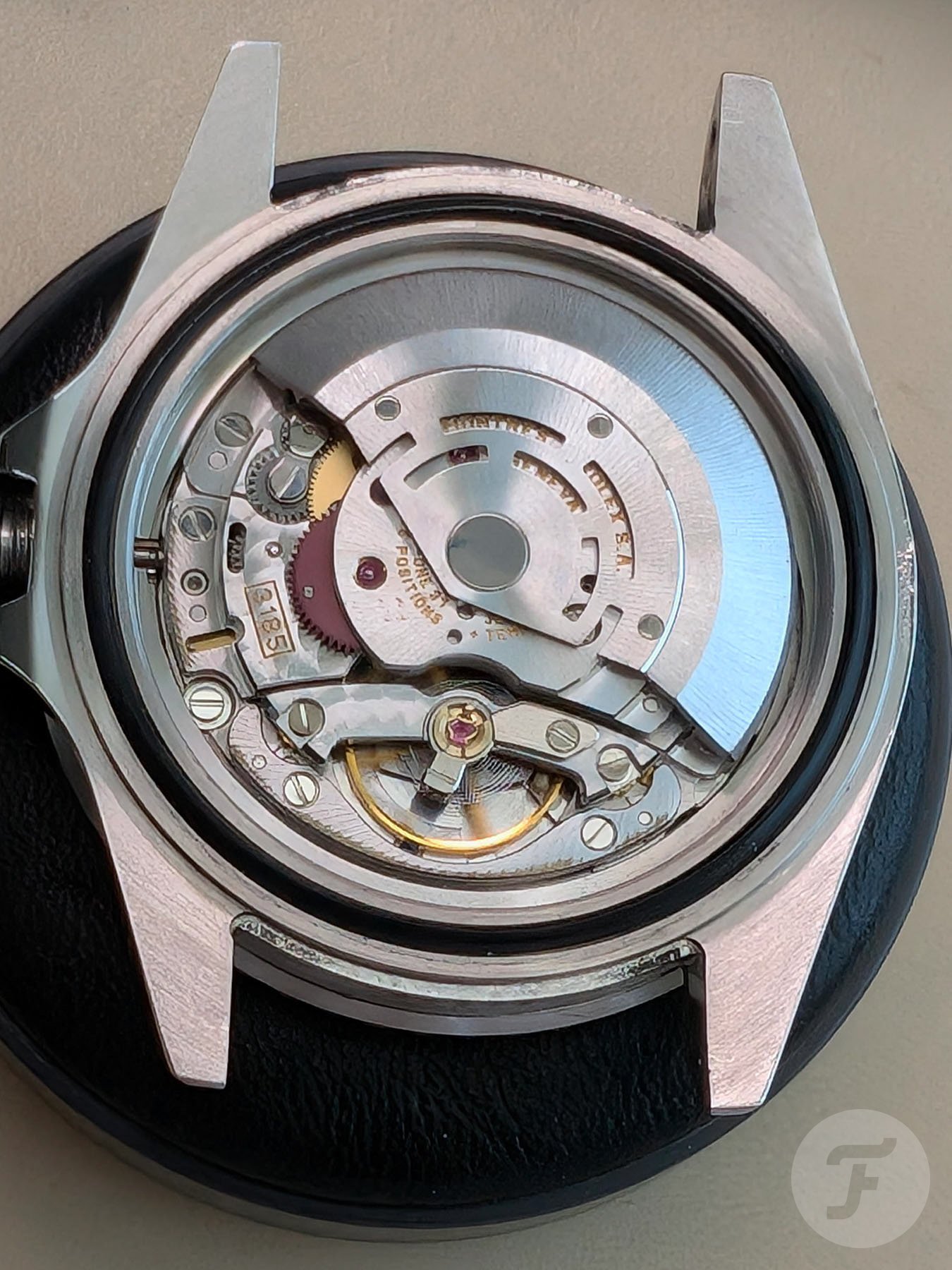
As appealing as those late references were, prices have surged dramatically. Examples often trade for well over £20,000. That placed them comfortably outside my budget, making the caliber 3185-powered Y-series watch feel like the sweet spot.
Swapping parts
Replacing the crystal proved straightforward. It also created an opportunity to inspect the movement and give the dial a careful cleaning. Mechanically, everything checked out beautifully, and even the crown tube remained in good condition. Accuracy was strong, while the movement showed only minor cosmetic aging consistent with more than two decades of use. All gaskets were also replaced for added peace of mind.
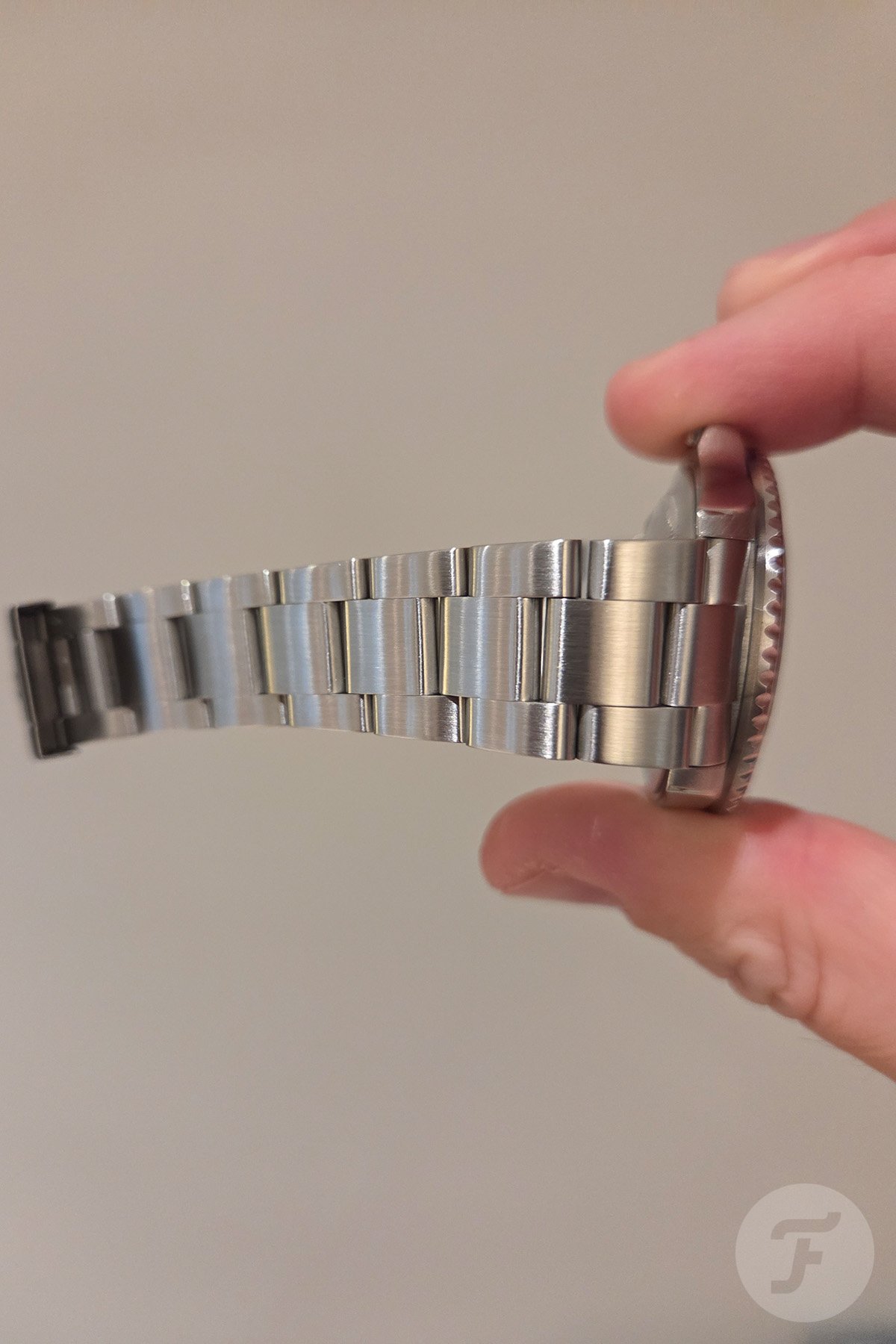
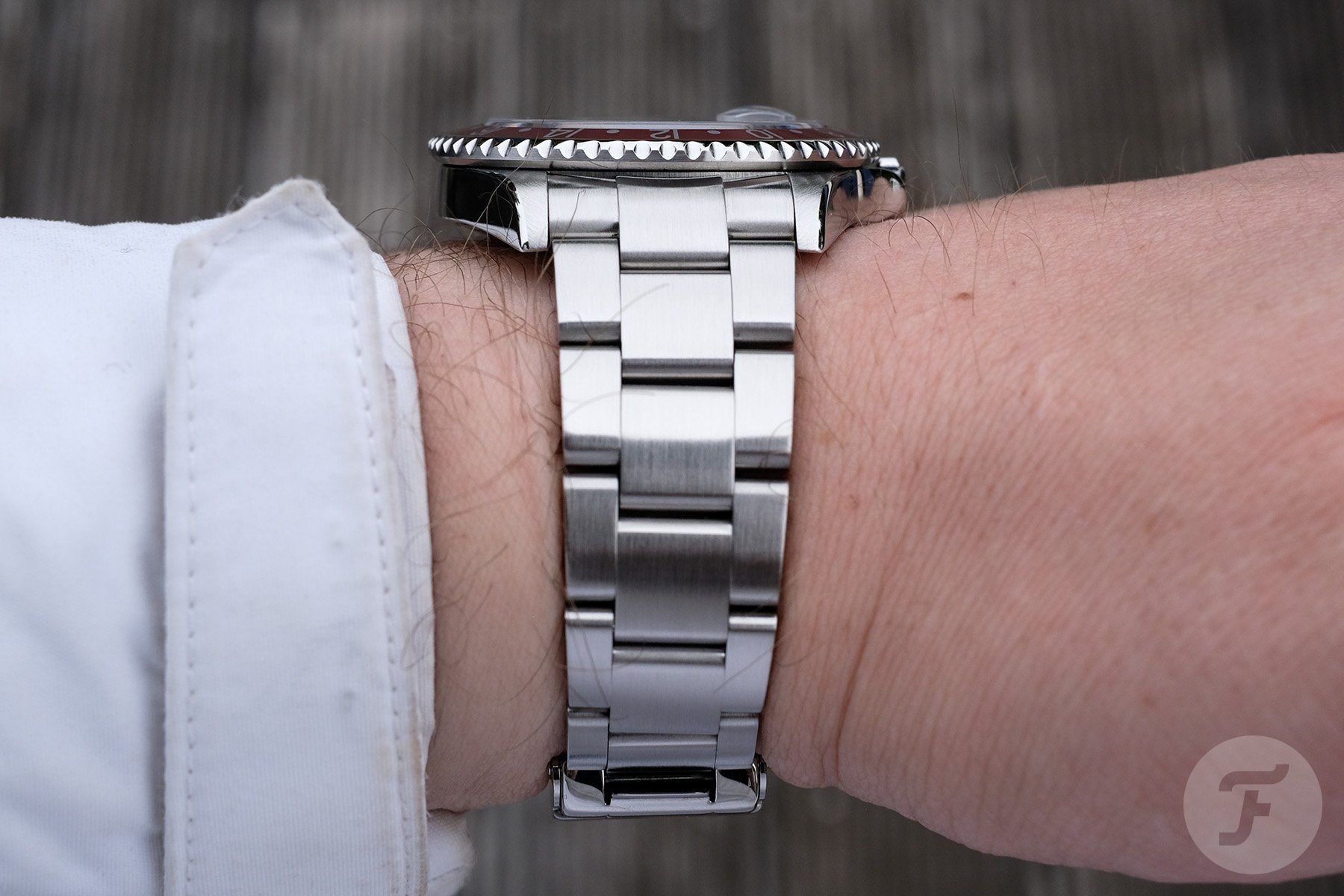
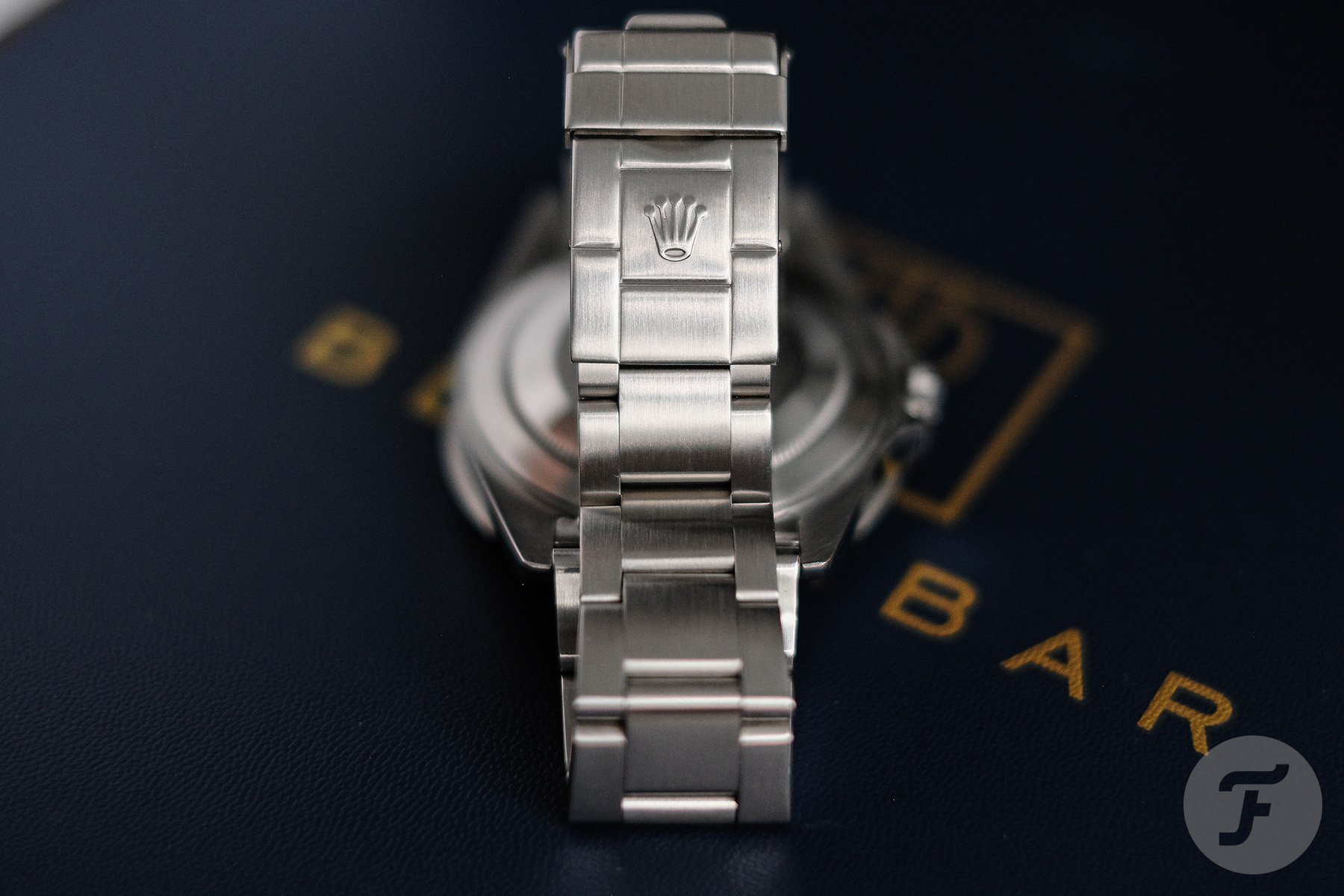
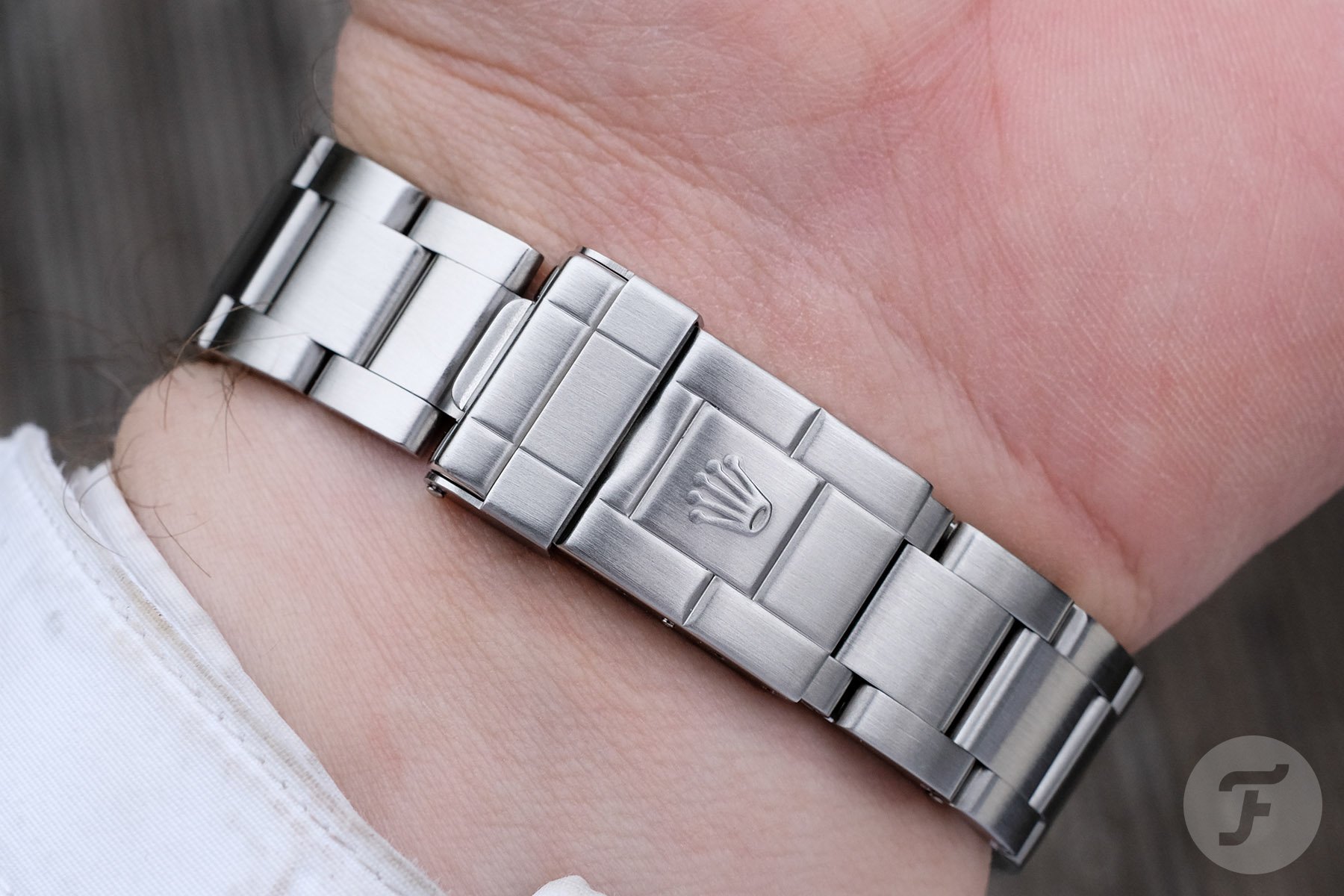
I will admit that owning a five-digit Rolex requires a few compromises. The hollow-center-link Oyster bracelet can develop stretch over time, although mine remains comfortably within acceptable limits. One bracelet screw had also worked itself slightly loose, so a small amount of Loctite solved the issue. The stamped clasp is noticeably simpler than modern Rolex equivalents, and adjusting it requires tools rather than the sophisticated on-the-fly systems found today. Still, those trade-offs are easy to forgive once the watch is on the wrist.
After all, this is the watch I dreamed about as a teenager.
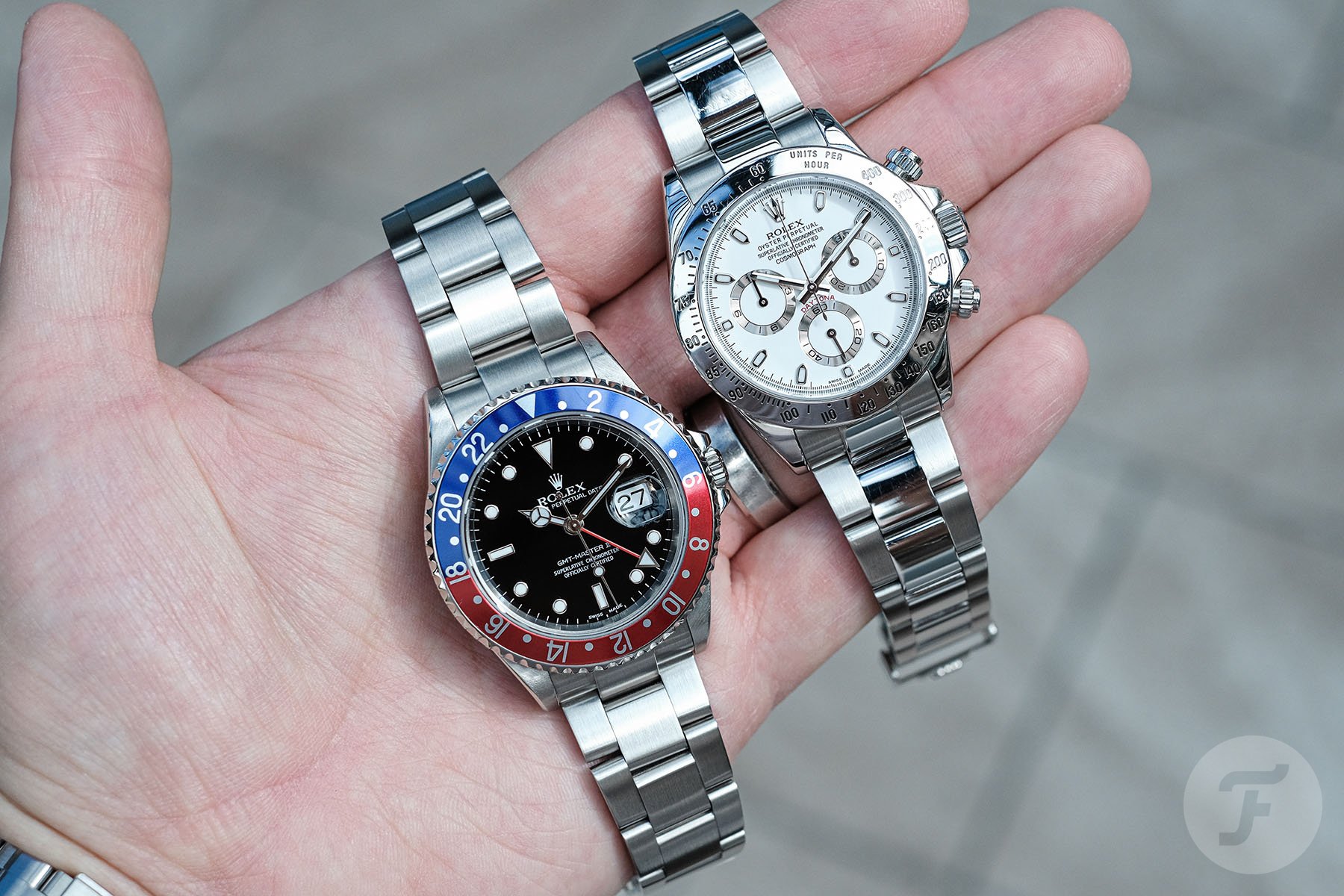
My neo-vintage Rolex GMT-Master II 16710 and Cosmograph Daytona 116520
Closing remarks
The Rolex GMT-Master II ref. 16710 with its red-and-blue bezel has finally become part of my collection. It has already accompanied me on work trips, events, and everyday adventures. In fact, it has probably been my most worn watch over the last two months. Acquiring it was a lengthy journey, but it proved worthwhile. The search helped refine my tastes and made finally owning it all the more rewarding.
I want to thank Tom Best of Sterling Vault Auctioneers for his guidance throughout my search for a neo-vintage Rolex. I’d also like to thank Karleone on Instagram for helping me navigate the many nuances of GMT-Master bezel fonts. Finally, thanks to our very own RJ for helping me establish realistic pricing targets during the hunt and for his inspirational article here.