Why Watch Renders So Frequently Leave Us Underwhelmed

There’s a specific kind of disappointment that comes from encountering a watch on a brand’s website and feeling precisely nothing. The dial is sharp, the case gleams, and the lug angles are geometrically perfect. And yet, somehow, you close the tab unmoved. You’ve just been the victim of a render. It looked fine, sure, but it left no impression, so you moved on.
Then, weeks later, you see the same watch photographed in natural light by a colleague or, better still, in the metal on someone’s wrist, and something shifts. The dial has texture, the case has personality, and the finishing catches the light in a way that makes you involuntarily mutter something complimentary under your breath. The watch you mentally filed under “meh” suddenly has your full attention. This is the render trap, and the watch industry keeps springing it on itself.
The render trap
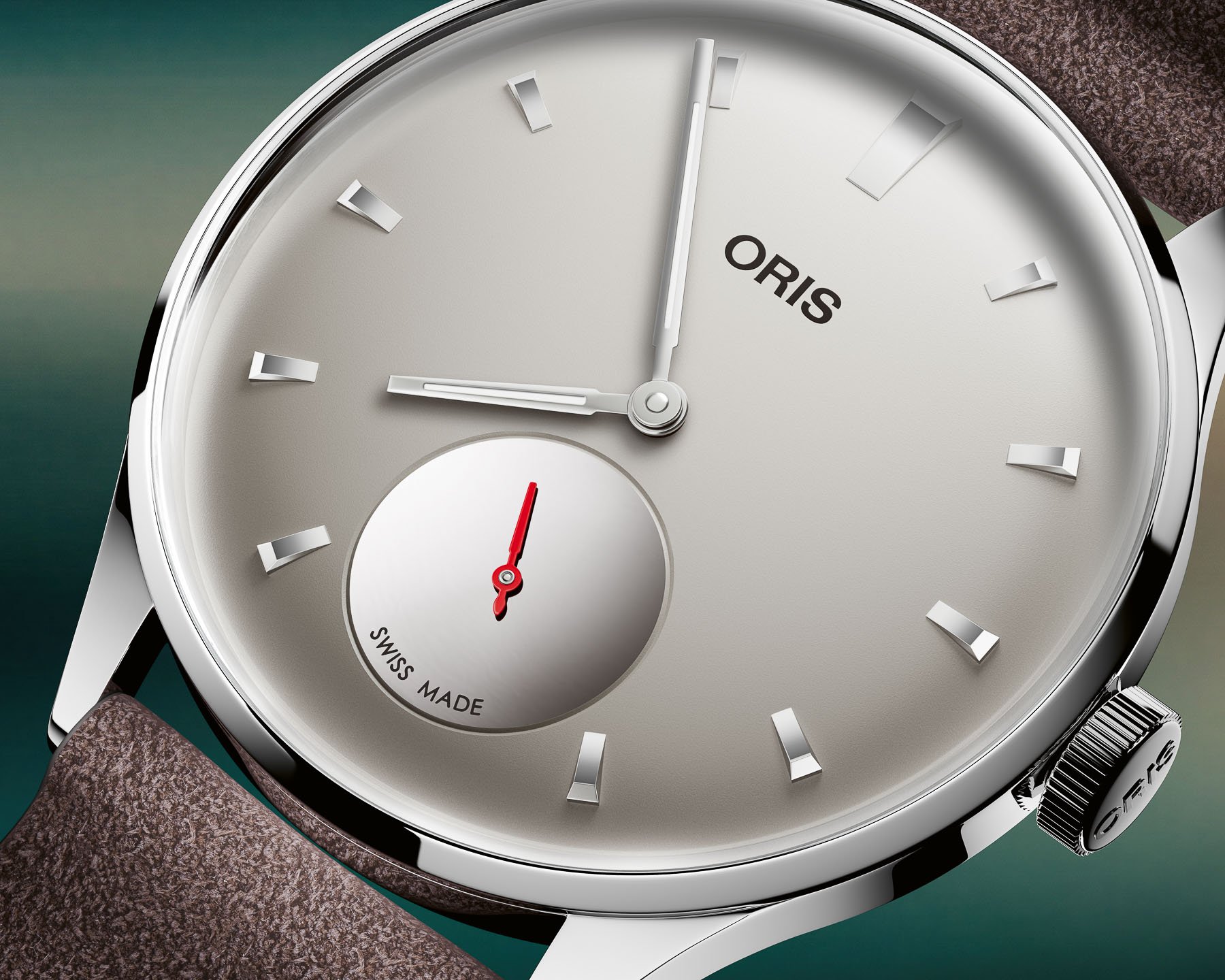
RJ, our founder, walked straight into it recently with the Oris Artelier Hölstein Edition 2026, a watch he admits left him cold when Oris introduced it on June 1st (using renders). What convinced him the watch might be interesting wasn’t the imagery at all; it was the accompanying press release, with its details about the Bauhaus-influenced design, the proprietary caliber 401, and the 10-year warranty.
When the watch arrived in the Fratello office, the story changed. The highly polished case and domed gray dial that had looked flat and somewhat anonymous in CGI turned out to present a completely different character in person.
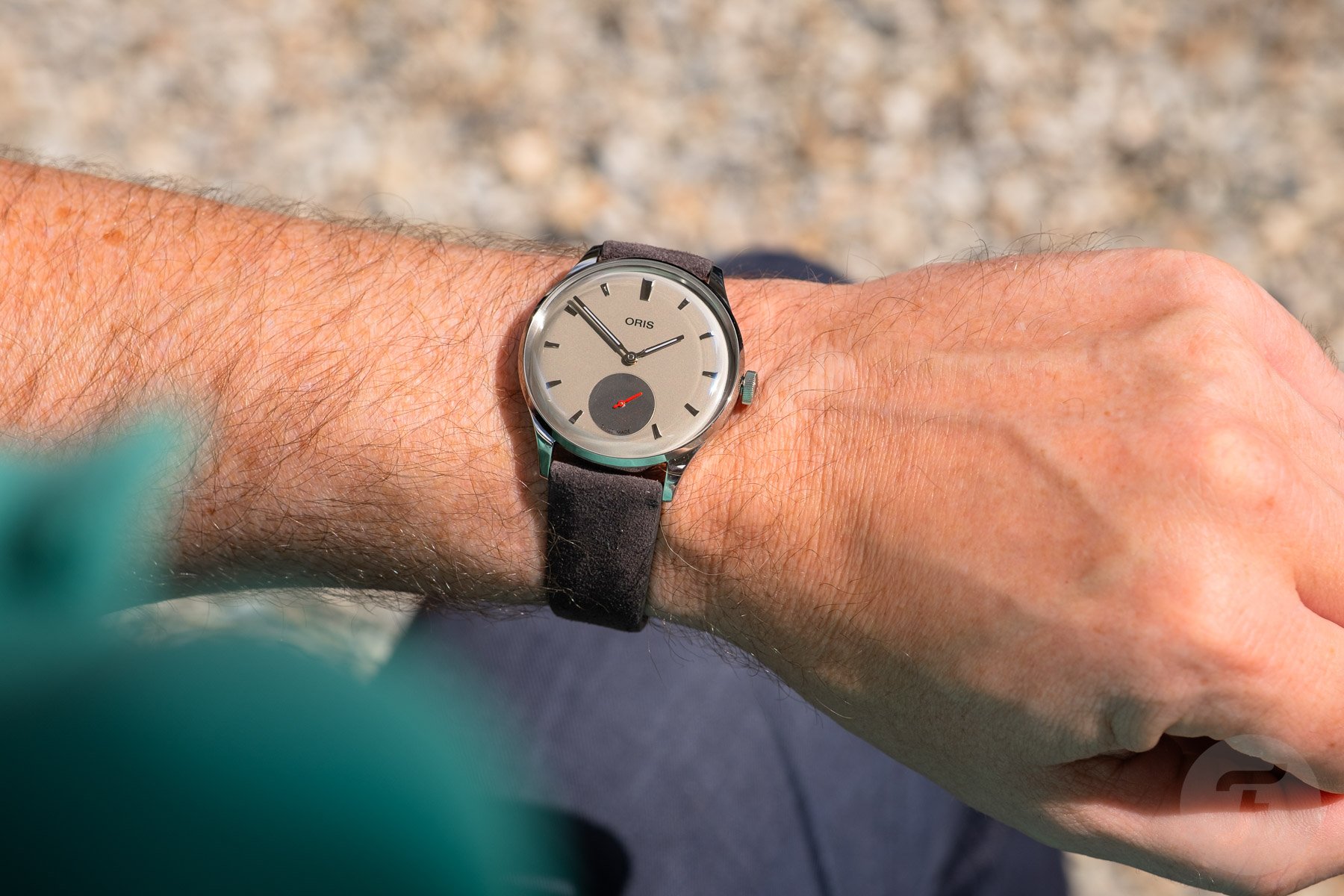
Much better in the metal
RJ noted immediately that this was not an easy watch to photograph, a telling observation in itself. The qualities that make it compelling in reality are precisely those that resist easy digital capture — the way the polished sub-dial at 6 o’clock plays with light, the contrast between the brushed and polished surfaces, the gentle dome of the dial following the contours of the case and crystal. These are dynamic, three-dimensional phenomena. Renders reduce them to a single, software-selected moment.
Reality gives you all of them at once, constantly shifting as the wrist moves. The suede strap was another casualty of the render. RJ described it as very different from what he had expected based on the computer-generated images. It was softer and more characterful, and its dark gray-brown tone complemented the light gray dial in a way that the renders had entirely failed to communicate. This is not a unique experience. It is, in fact, one of the defining recurring phenomena of modern watch journalism. How many articles have we written on Fratello in which the top line effectively reads, “We were sceptical from the renders, but then we held it…”? The number is worryingly large, and the culprit is seldom the watch.
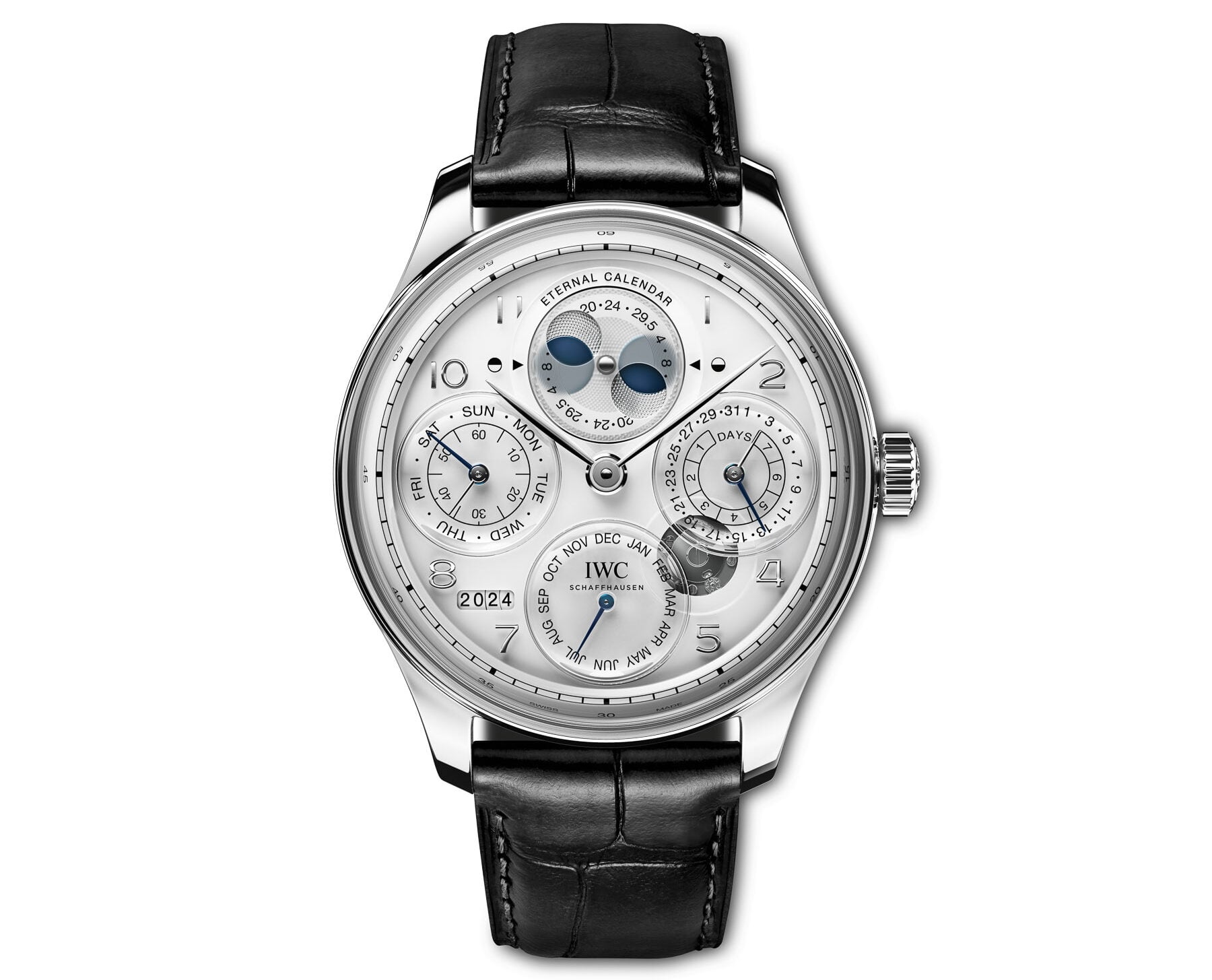
What a render can and cannot do
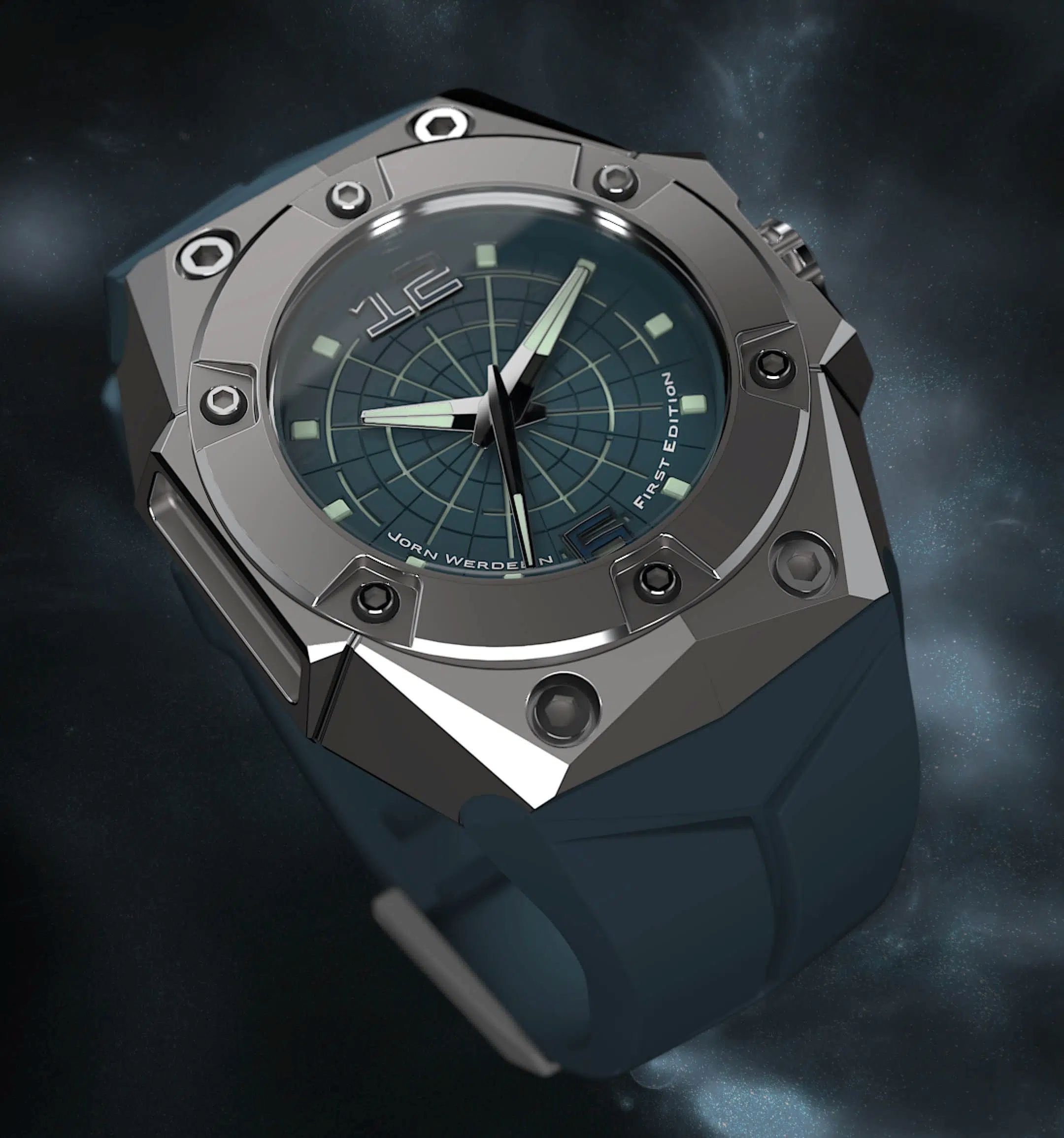
A CGI render is, in principle, a perfectly reasonable tool. Before a watch reaches production, it often doesn’t exist in physical form. Renders allow brands to share the concept, tease the design, and begin building interest. They are architectural blueprints dressed up as finished buildings. The problem is that watches, unlike most architectural projects, live and die on the quality of their physical execution, and physical execution is precisely what renders cannot convey. Consider what happens when light hits a polished case in real life. The reflections shift constantly.
A brushed surface absorbs and redirects light in oscillating contrast with a polished chamfer, and that relationship changes by the second as the wrist moves. A render captures one lighting scenario, usually a software-defined studio setup calibrated to make the watch look clean and legible. It does not and, in fact, cannot replicate the dynamic interplay between light and finely finished metal that is, in many cases, the whole point of spending the money in the first place.
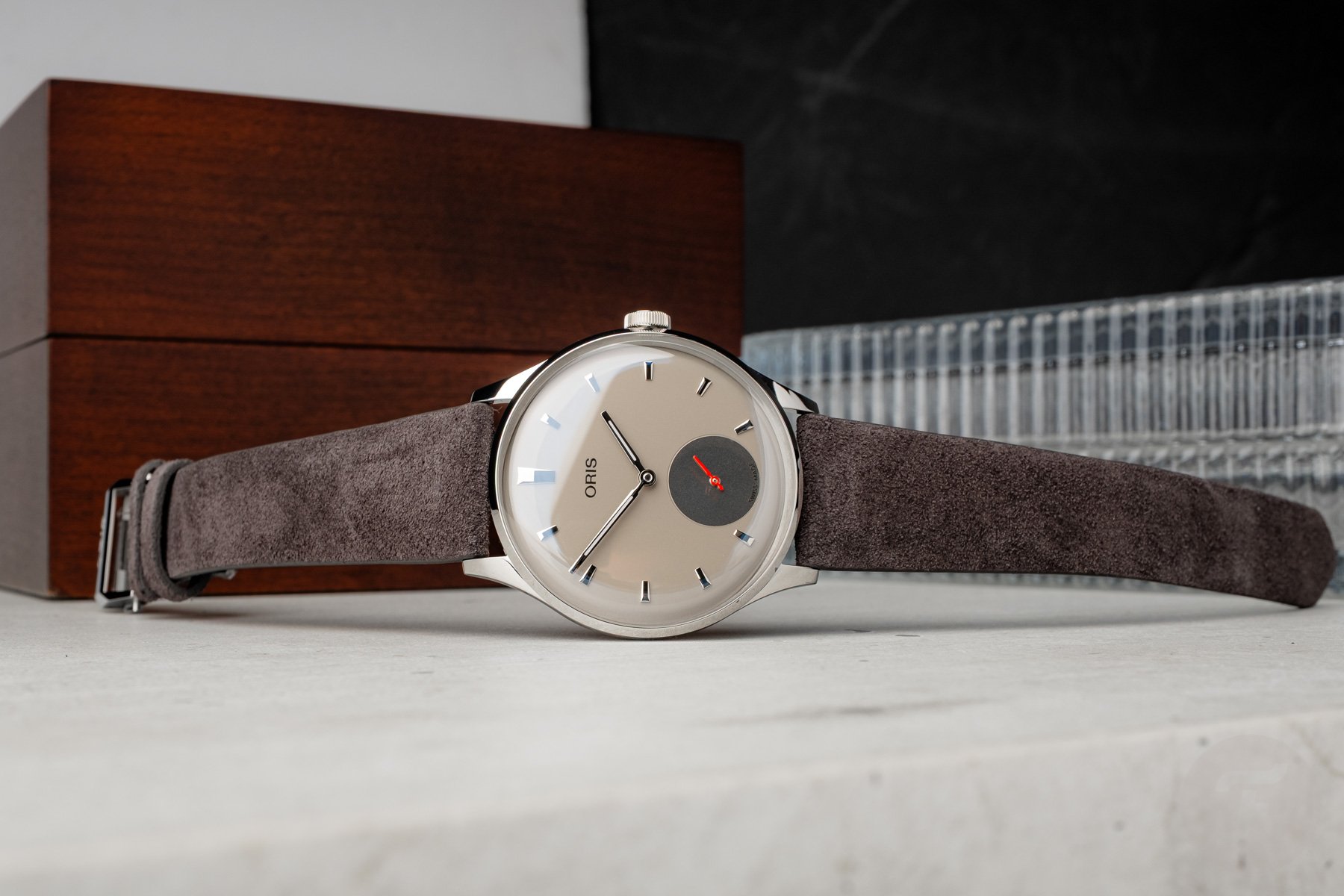
Texture is almost impossible to convey in a render
Dial texture is another casualty. The Artelier Hölstein Edition’s domed gray dial reads as a pleasant but neutral surface in its render. In person, it follows the curve of the sapphire crystal. Its applied and faceted hour markers catch the light at angles the CGI never found, and the polished sub-dial produces what RJ describes as a wonderful contrast effect that simply doesn’t translate to computer-generated images. A sunburst or guilloché dial suffers similarly. On screen, it shows a gradient from light to dark, while in reality, it is a physical structure that almost seems to breathe depending on your angle and the ambient light. Proportion is a third element that watch renders routinely misrepresent or, rather, fail to represent at all.
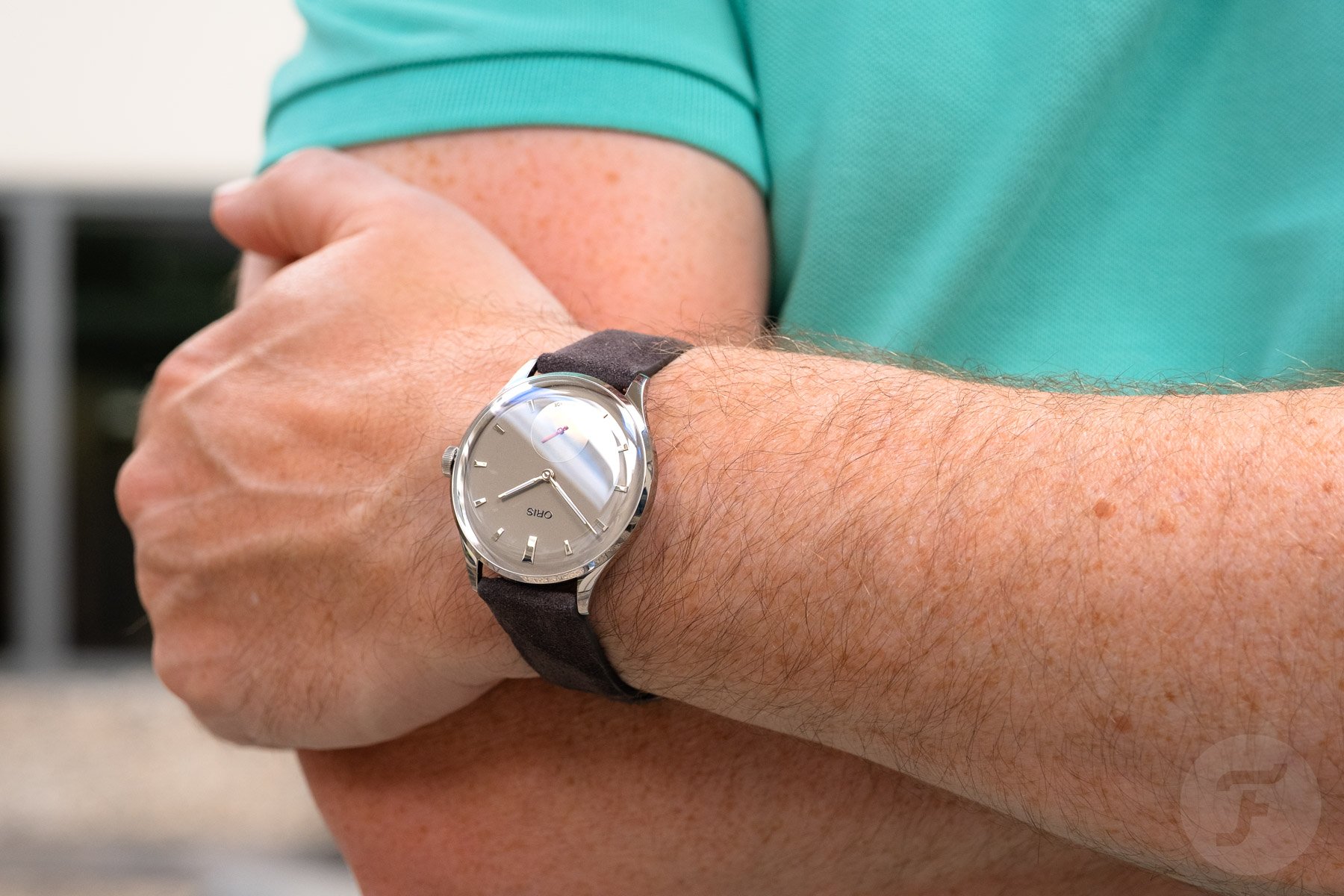
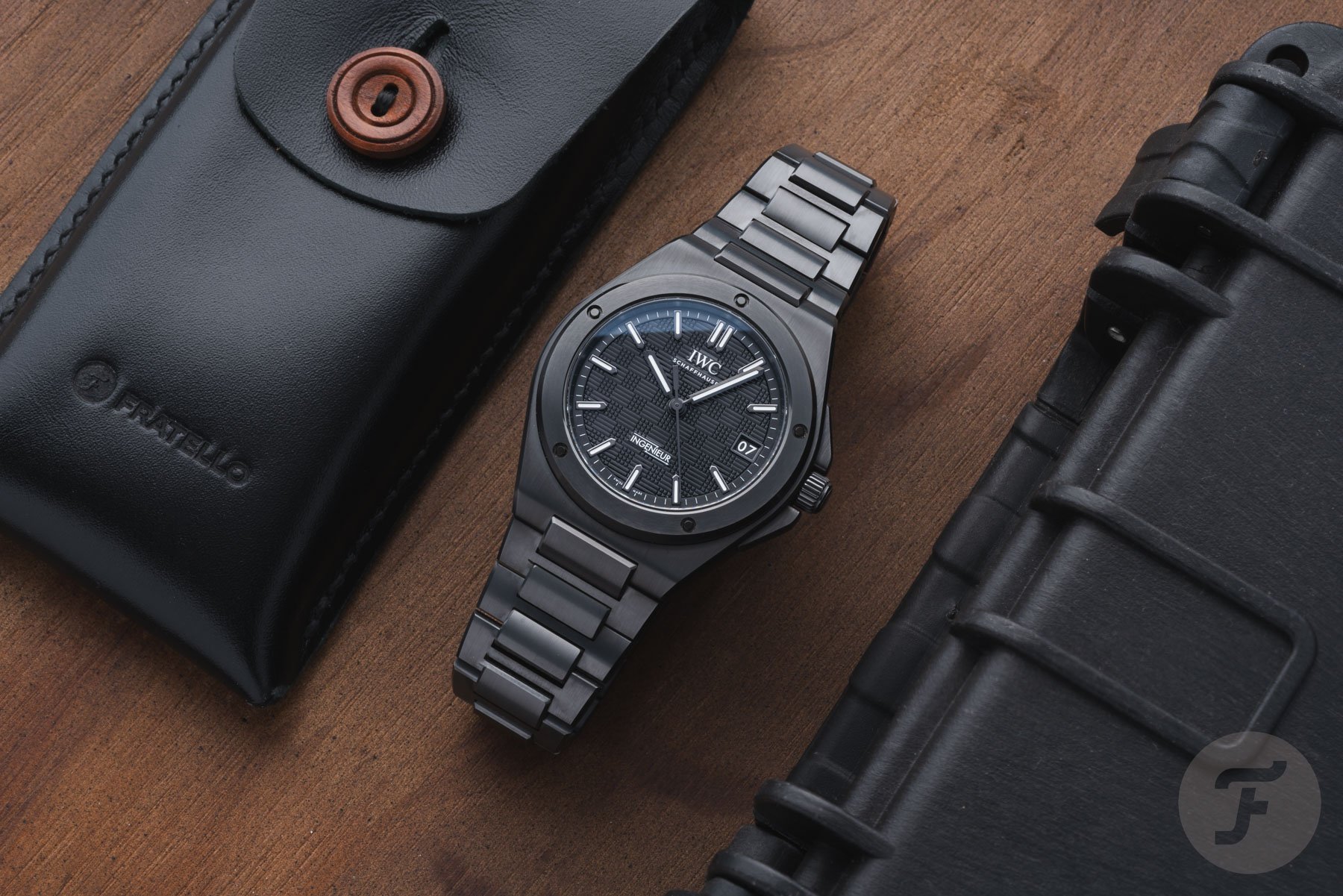
A render against a white background gives you a diameter and a lug-to-lug measurement as abstract numbers. It does not give you the context of a watch case sitting on the wrist, a slim profile sliding under a shirt cuff, or lugs curving down to meet skin. RJ noted that Oris got the proportions exactly right on the Hölstein Edition and that its slim profile works beautifully with its diameter. That judgement can only be made on the wrist. A render cannot tell you.
The case for real photography
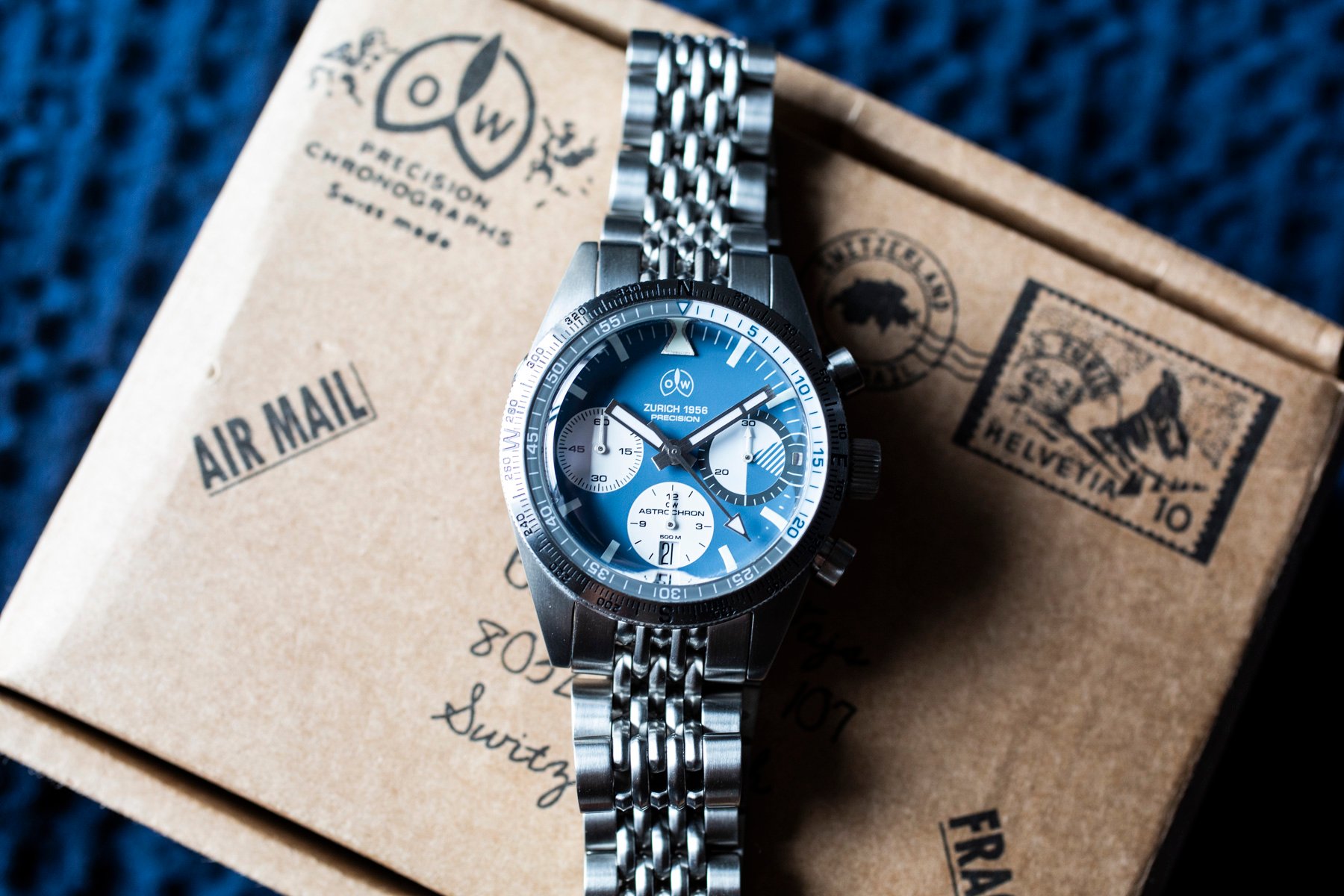
This is why good review photography does something that renders fundamentally cannot: it introduces the element of truth. When skilled watch photographers shoot pieces in natural light or under carefully considered setups that mimic real wearing conditions, they are translating three-dimensional objects with dynamic visual properties into two-dimensional images. That is an inherently lossy process. But it is honest loss. The image shows you what the watch actually looks like, with all its quirks and its qualities intact. The dial texture is there. The case bevels catch the light as they genuinely do. If the finishing is inconsistent, a good photograph will betray that too, something a render, controlled in every pixel, will never do.
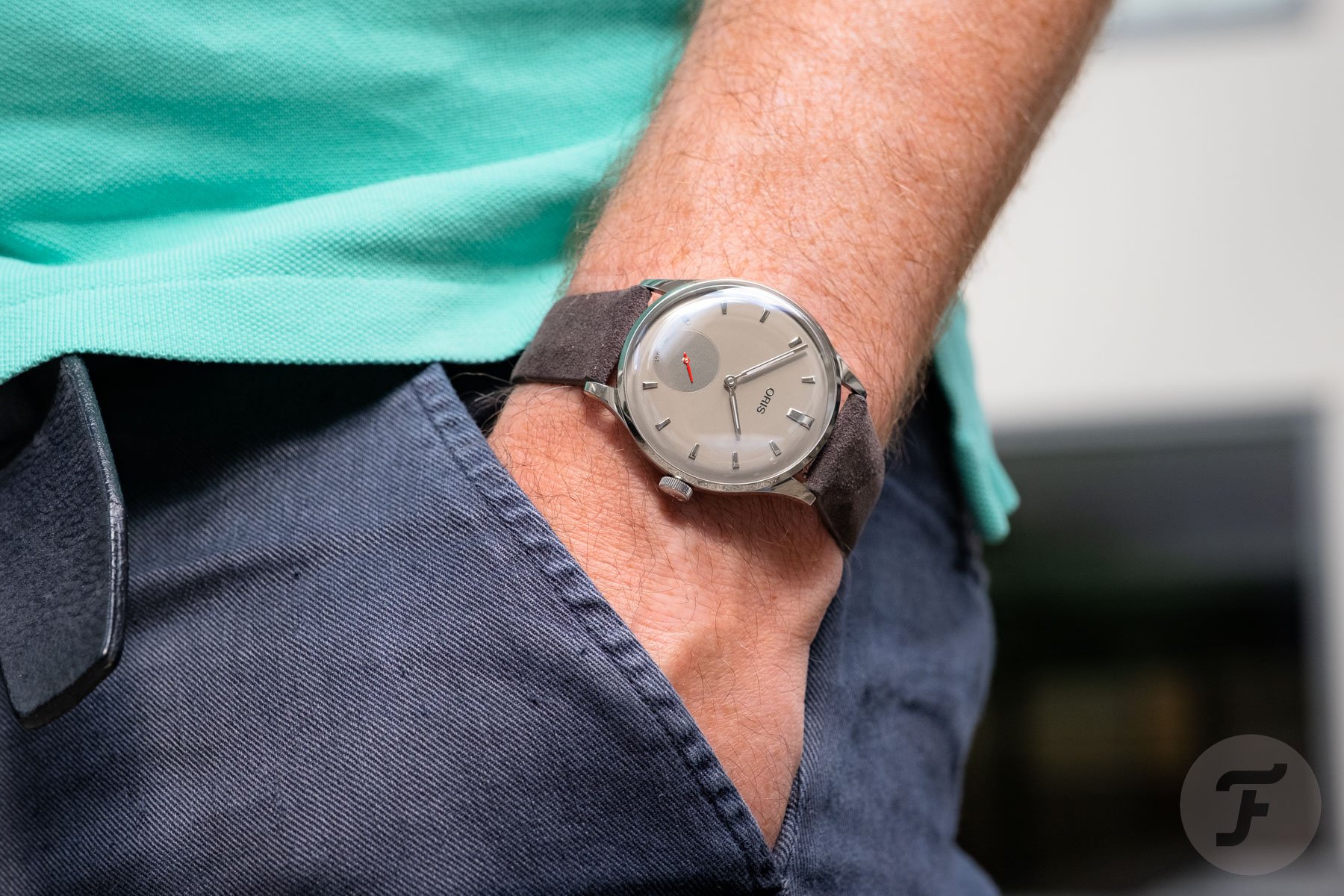
Context matters enormously as well. The best review images show a watch on a wrist, against a table, in the ambient light of an ordinary Tuesday. These images allow viewers to perform an imaginative act — to place themselves in the moment and feel whether this watch might suit them. Renders ask you to admire a specification. Photography invites you into a relationship. RJ’s wrist shots of the Artelier Hölstein Edition, taken in sunlight, showing reflections on the crystal and the strap against his skin, communicate more about this watch than any of the launch renders did. The gap between seeing it in its launch CGI and seeing it in those hands-on images is the difference between reading a menu and smelling what’s on the next table. One tells you what something is. The other makes you want it.
So, why do brands keep doing it?
The answer is almost certainly timing. Renders exist because the marketing calendar and production calendar do not align. By the time a watch is announced, the physical pieces often do not exist in sufficient quantities to photograph, let alone distribute to journalists. Renders fill that gap. They allow brands to build launch momentum, seed social media, and generate press coverage before a single production piece has been signed off at the factory. There is also a control argument. A render is perfect in a way that reality isn’t. The lighting is ideal, the finishing pristine, and the background immaculate. Brands find it easier to manage visual identity through imagery they control at the pixel level. Real photography introduces variables, such as the photographer’s interpretation, the natural imperfections of a production piece, the possibility that a lens might reveal something a marketing director would rather not emphasize.
But here’s the thing: if your watch looks worse in real photography than in renders, that is critical product information, and suppressing it does not serve customers or, ultimately, the brand itself. Consumers who buy based on a render and are disappointed upon delivery will not be repeat customers. Those who see honest photography, fall for what they see, and receive a watch that matches or exceeds expectations will be. In Oris’s case, the inverse problem applies: the renders undersold a genuinely appealing watch. RJ concludes that Oris did itself “a bit of a disservice” by not having actual images ready at launch. That is a generous framing. When a watch arrives in the world looking dull in its launch imagery, the brand is actively working against its sales.
What hands-on coverage actually does
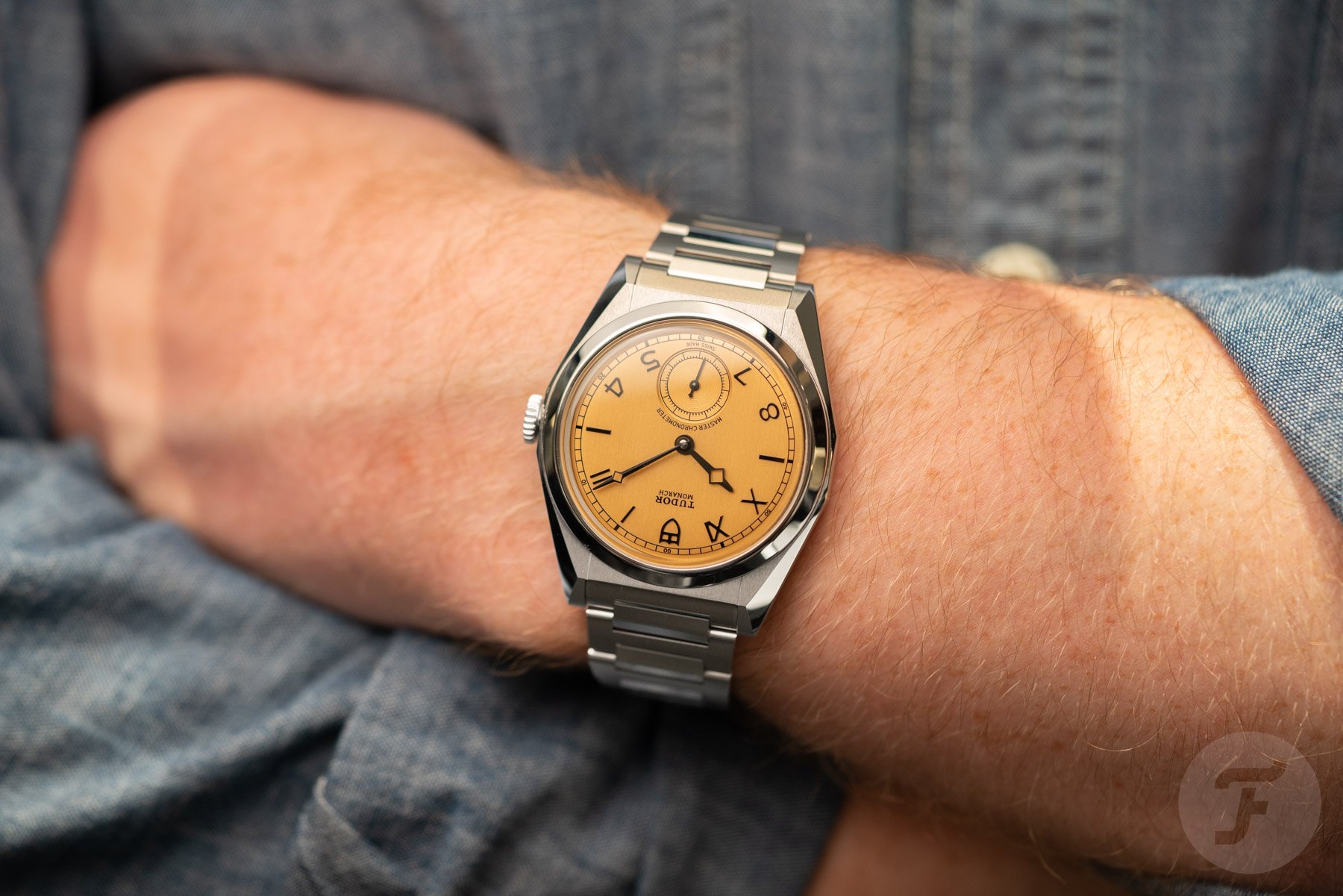
This is partly why the hands-on review remains the backbone of what we do at Fratello and why it matters as much now as it ever has, if not even more. A render gives you the brand’s best-case, most controlled, least informative presentation of a watch, whereas a hands-on review tells you what it is actually like to wear one.
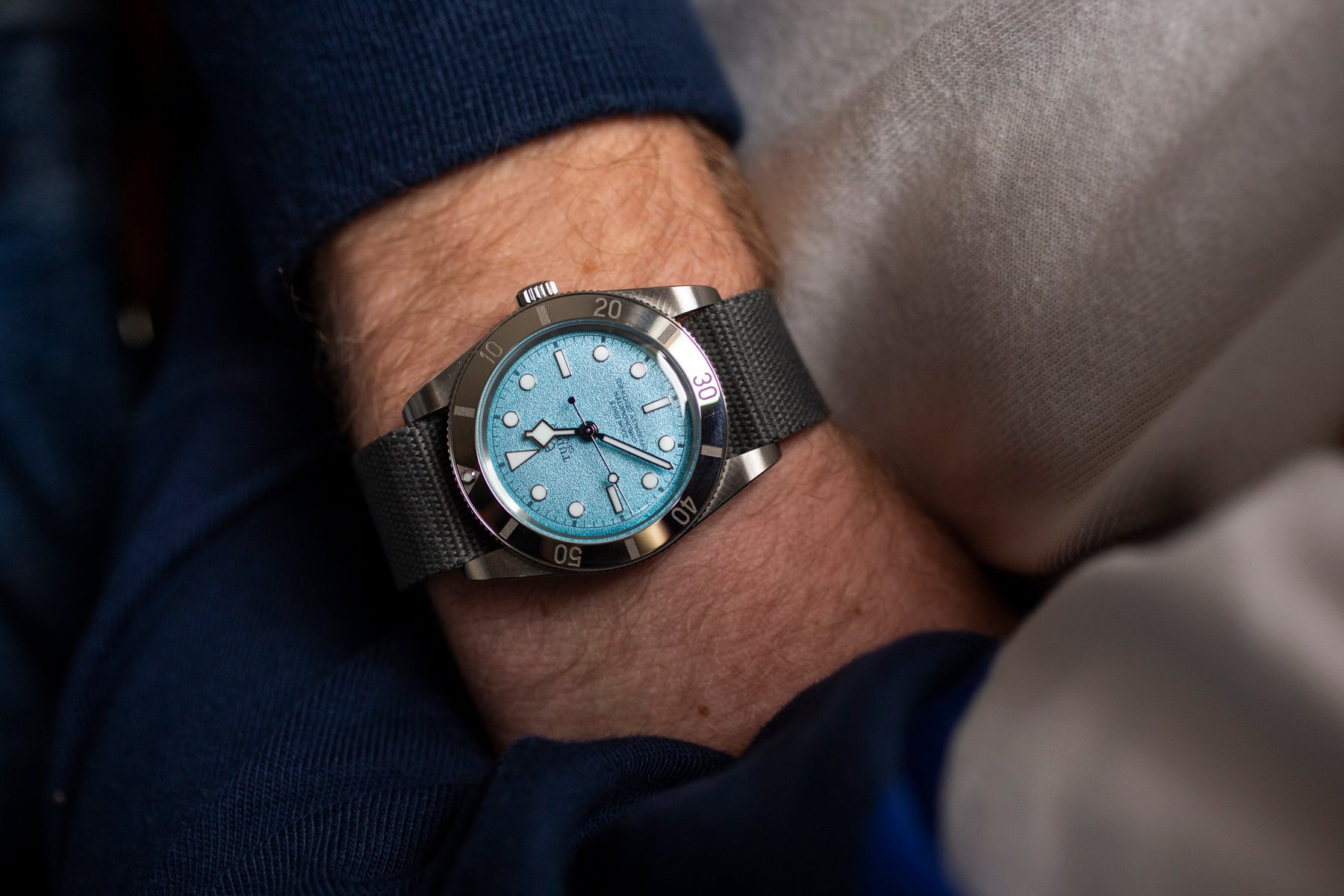
When writers spend time with watches, noting how the straps soften over days, how the polished elements sparkle at a dinner table, and whether the slim cases disappear under shirt cuffs in the best possible way, they are accumulating honest experience that no software can generate. The photography taken in that context is the closest most enthusiasts will ever get to that reality, short of visiting an authorized dealer and putting the watch on their wrists. That, for what it’s worth, remains the gold standard. No image, rendered or photographed, replaces that.
Concluding thoughts: a plea to the industry
The watch industry is extraordinarily sophisticated in its appreciation of craft. Brands will spend years refining a movement, countless hours hand-beveling a bridge, and serious money developing a new dial treatment or case alloy. And then they will present the result to the world through software that reduces all of that craft to a clean, airless, emotionally inert image. It is a strange mismatch, and it harms otherwise excellent watches more than brands seem to appreciate.
The Oris Artelier Hölstein Edition 2026 is not the first victim of this, and it will not be the last. We have seen it with tool watches whose brushing looked flat in CGI and spectacular in person. We see it constantly. RJ’s piece on the Hölstein Edition names the problem in its headline, bluntly and correctly. So here is the ask to all the watch brands out there: invest in real photography at launch, even if it means waiting a little longer, even if it means releasing fewer images with more honesty in them. Find ways to get production pieces, or very late pre-production samples, into the hands of photographers who know how to light a watch. Your renders may be technically accomplished, but they are telling the wrong story. Your watches deserve better, and so do the people who might want to buy them.