The Top 5 Watches That Should Never Have Been Discontinued

Another Friday, another list! After the hustle and bustle of Geneva Watch Days last week, we are slowly getting back into the normal swing of things. This allowed us to think about a good Top 5 topic for this week that isn’t about the best releases we have seen lately. This new list is all about watches we haven’t seen in a while. It sounds a bit cryptic, but for this week’s Top 5 list, we picked watches that we think should not have been discontinued. If you ask us, these timepieces should always be available, either because we admire them or because absence should not tarnish their legacies. We hope to see these five watches return to their respective brands’ collections soon.
Of course, this list consists of watches we love because they have a significant place in the annals of horology. This may be due to their design, history, legacy, or a combination of the three. That said, we’ve kept these watches’ commercial appeal out of the equation. We simply cannot look behind the front door of a watch brand in terms of sales numbers. But regardless of those, we feel these five watches are important enough to earn a place in their respective brands’ collections indefinitely.
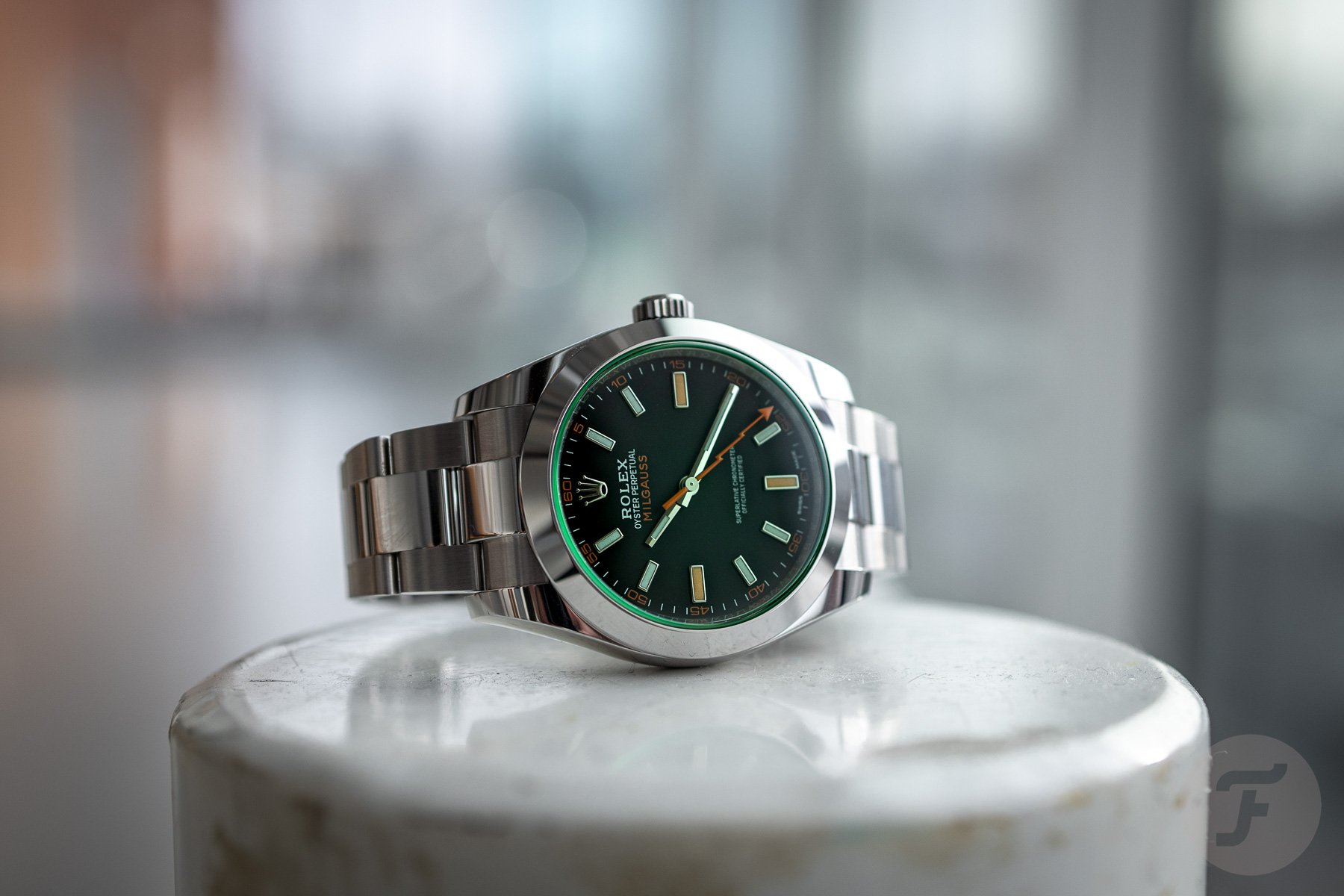
Rolex Milgauss ref. 116400GV
In what universe is the modern Air-King still part of the Rolex collection while the Milgauss is not? We all know that the Milgauss is The Crown’s quirky scientist’s watch, an acquired taste compared to heavy hitters like the Submariner, the GMT-Master II, and the Daytona. But in a collection that also features the Yacht-Master II, the Sky-Dweller, and the Air-King, the Milgauss definitely deserves its spot. The model has a rich history dating back to 1954, making it a true classic. Sure, its intended purposes are a bit outdated now, but that hasn’t diminished its charm and legacy.
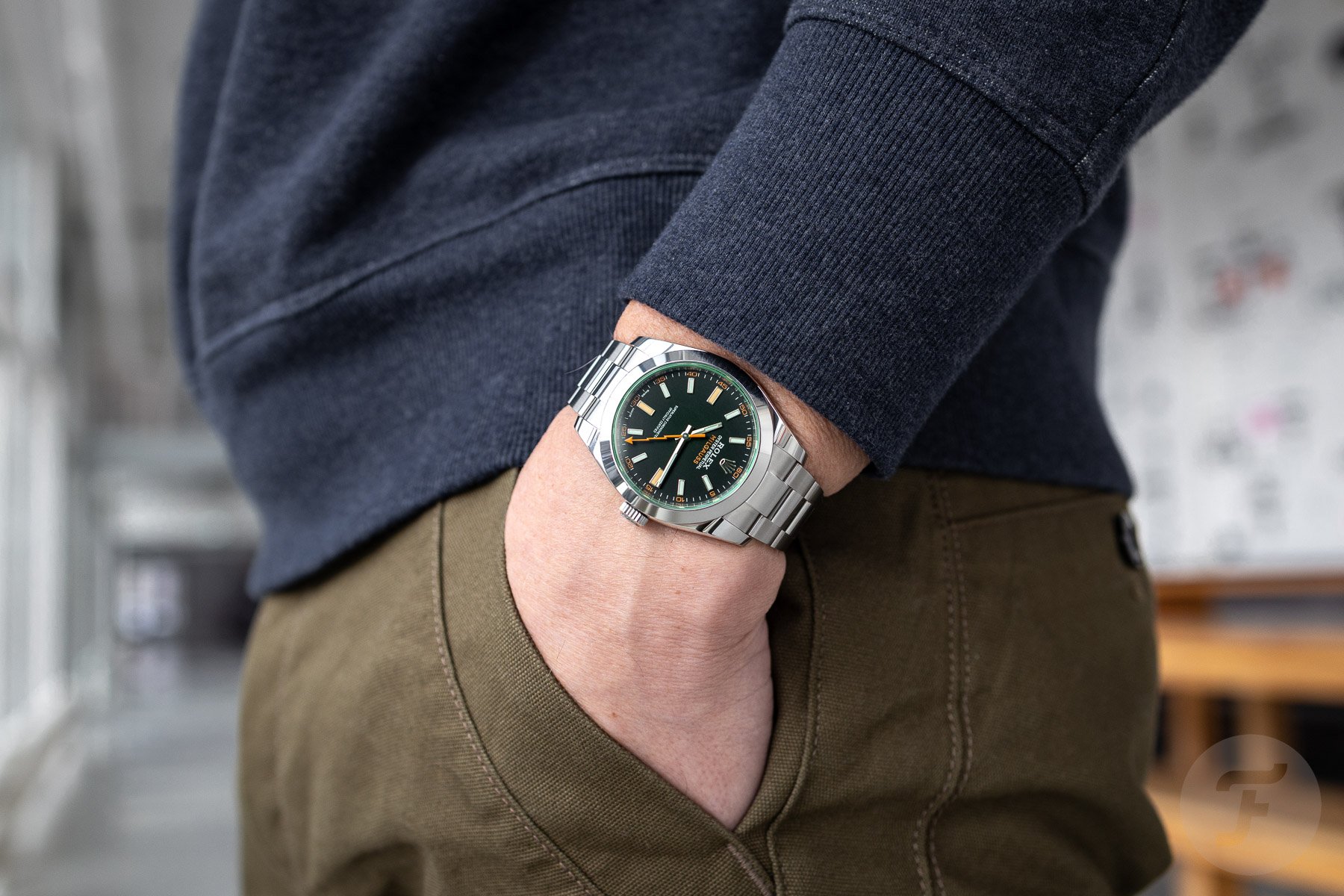
Also, the last-generation Milgauss was widely regarded as a quirky, original break from the other designs in the collection. Reference 116400 debuted in 2007 after almost two decades of the Milgauss’s absence. It was a modern, mature Milgauss that still retained the playful accents that made its predecessors stand out as quirky watches for scientists. At launch, Rolex offered the 116400 with either a white or black dial and a regular crystal, or with a black anniversary dial and a green-tinted sapphire crystal. The last model’s reference number is 116400GV, with the letters standing for “Glace Verte” (green glass). In 2014, Rolex also introduced a fourth model using the same green-tinted crystal over a Z-Blue sunburst dial.
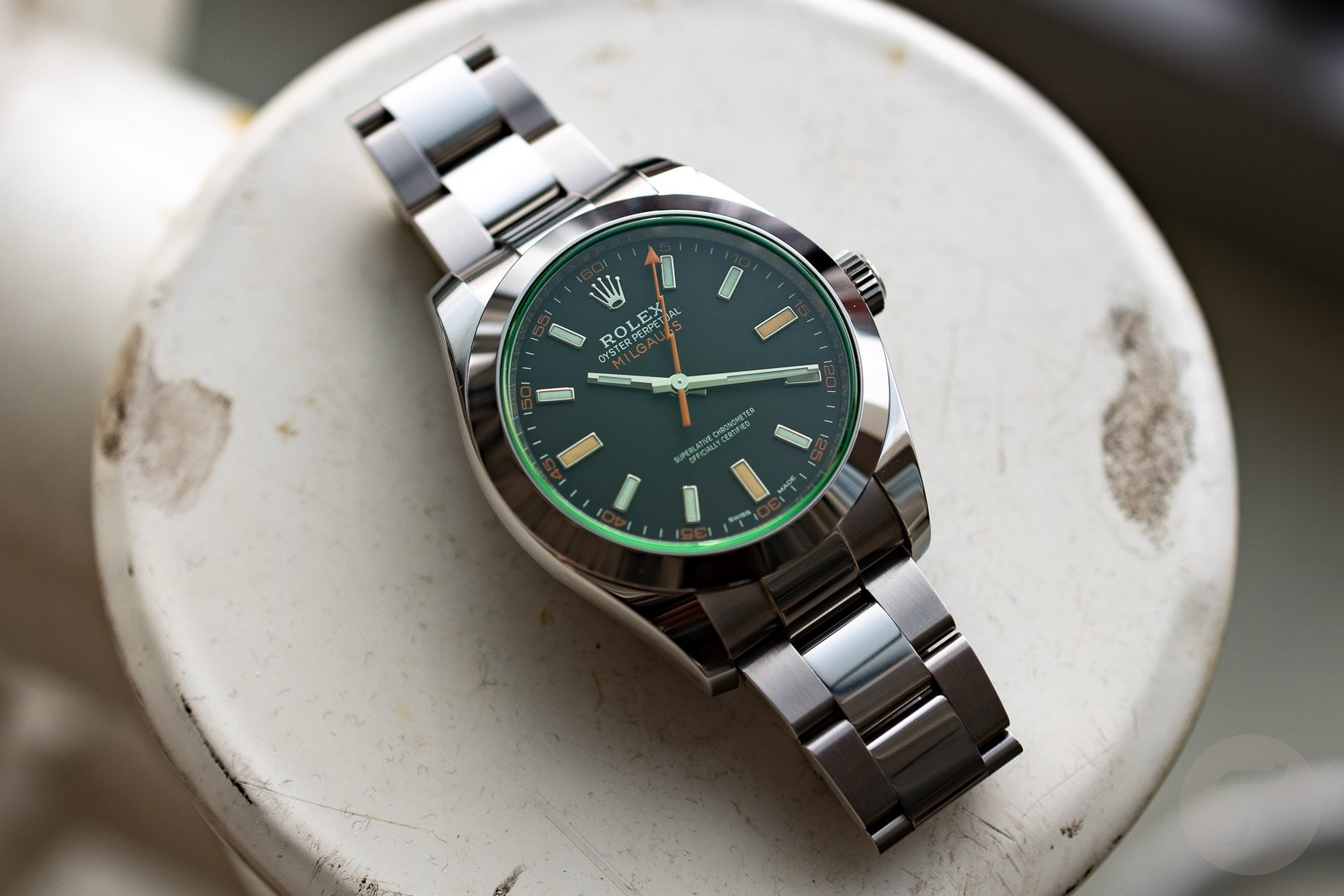
A name that should always be part of the Rolex collection
In all four variants, you will find the Rolex caliber 3131 protected by an antimagnetic soft-iron cage. The automatic caliber itself also features antimagnetic components, such as the blue Parachrom hairspring and an amorphous nickel-phosphorus escapement. It operates at 28,800 vph and offers a 42-hour power reserve. The Milgauss remained in the Rolex collection until 2023, but over time, only the two models with the green sapphire survived.
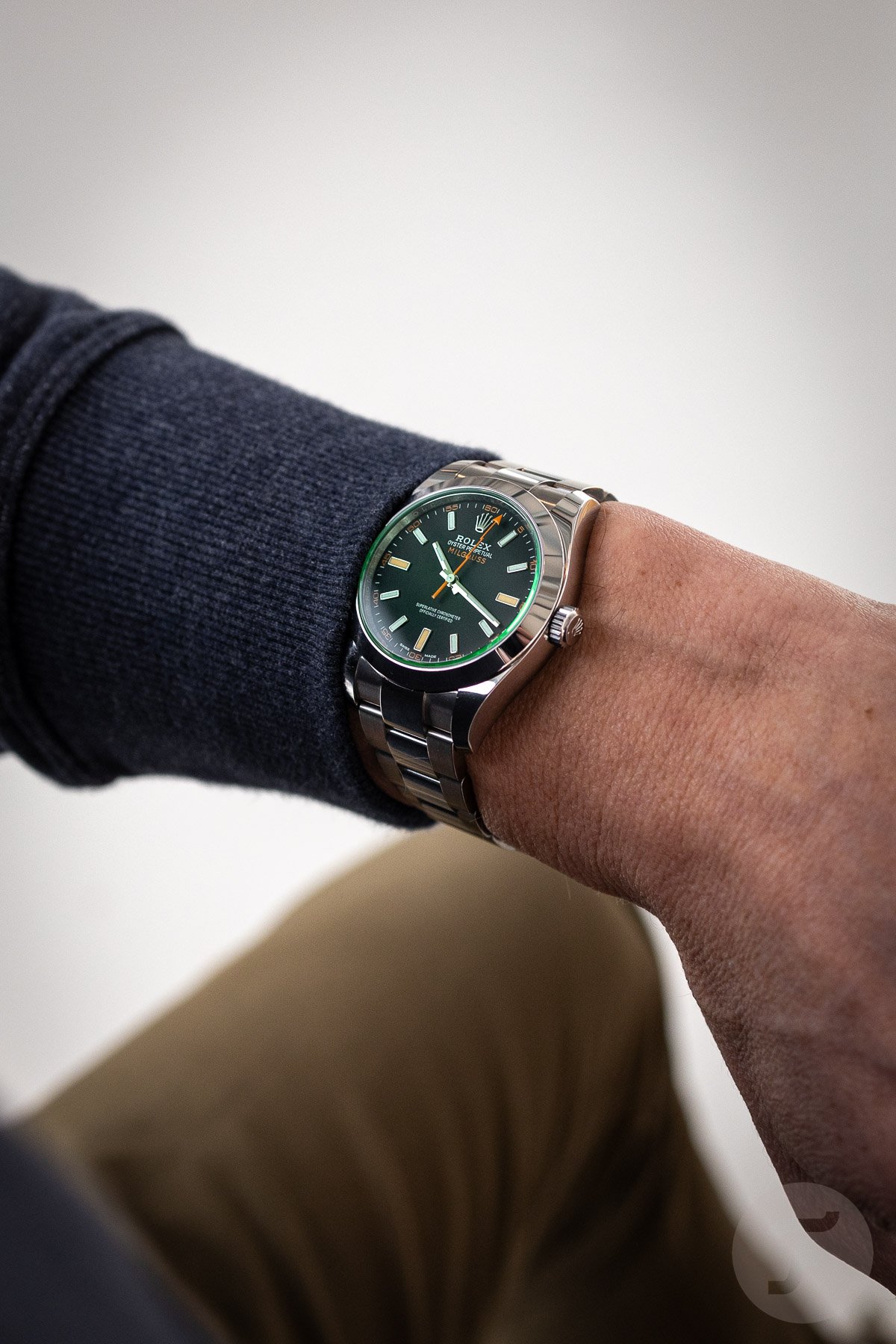
Rolex phased out the black-dial model with the standard sapphire crystal by 2014 and discontinued the white-dial model in 2016. Now, we understand all too well that the Milgauss is a niche offering within the Rolex lineup. Still, there are plenty of reasons to bring it back, from the historical relevance that has boosted the popularity of the different vintage models to the modern Milgauss’s infectious looks.
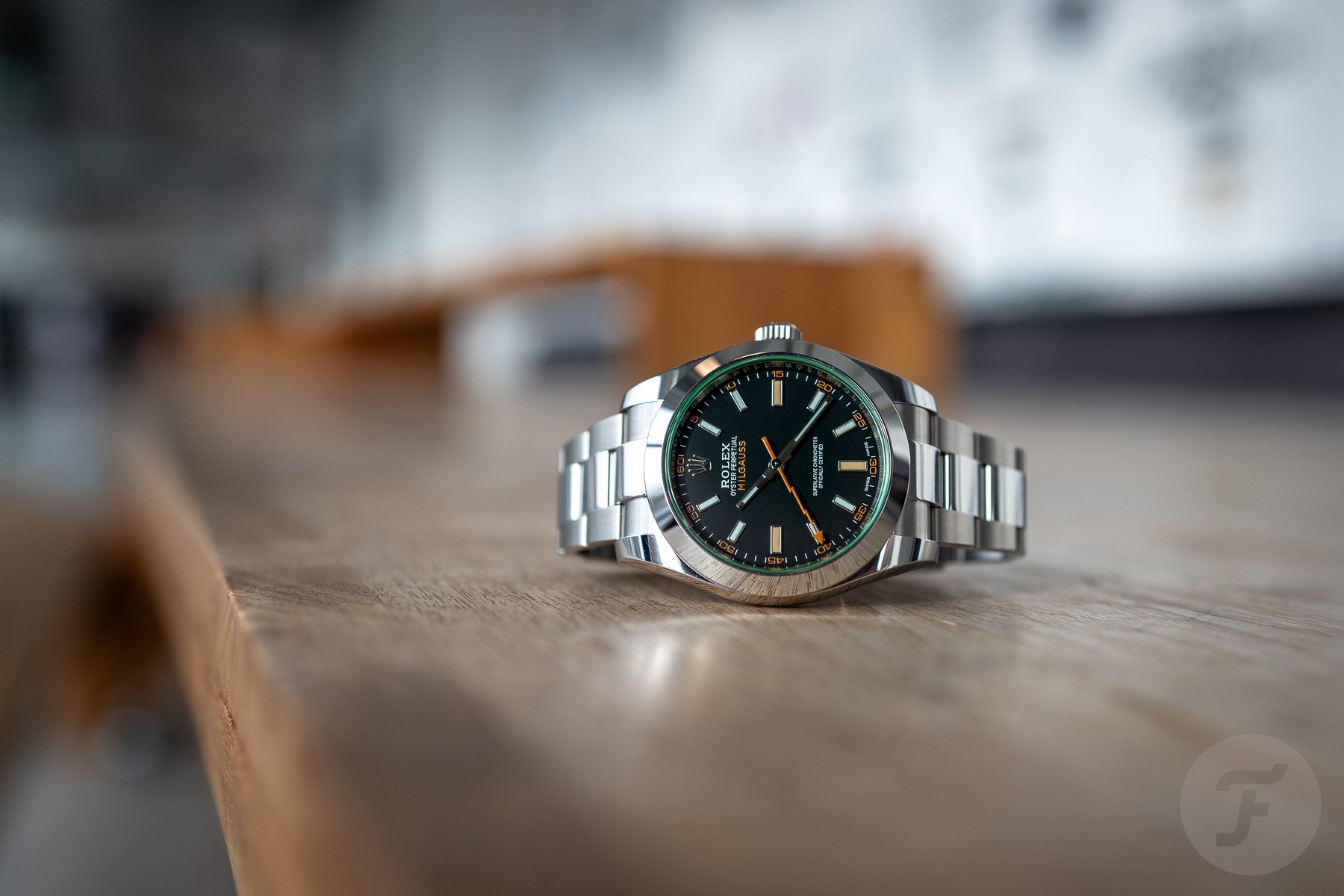
This brings us to the comparison with the Air-King. Of course, the Air-King name also holds a significant position within Rolex history. But we were surprised to see that the brand took the much-debated Air-King ref. 116900 (2016–2021), a watch tied to the Bloodhound SSC project, and, after severing those ties, brought out an updated version in 2022.
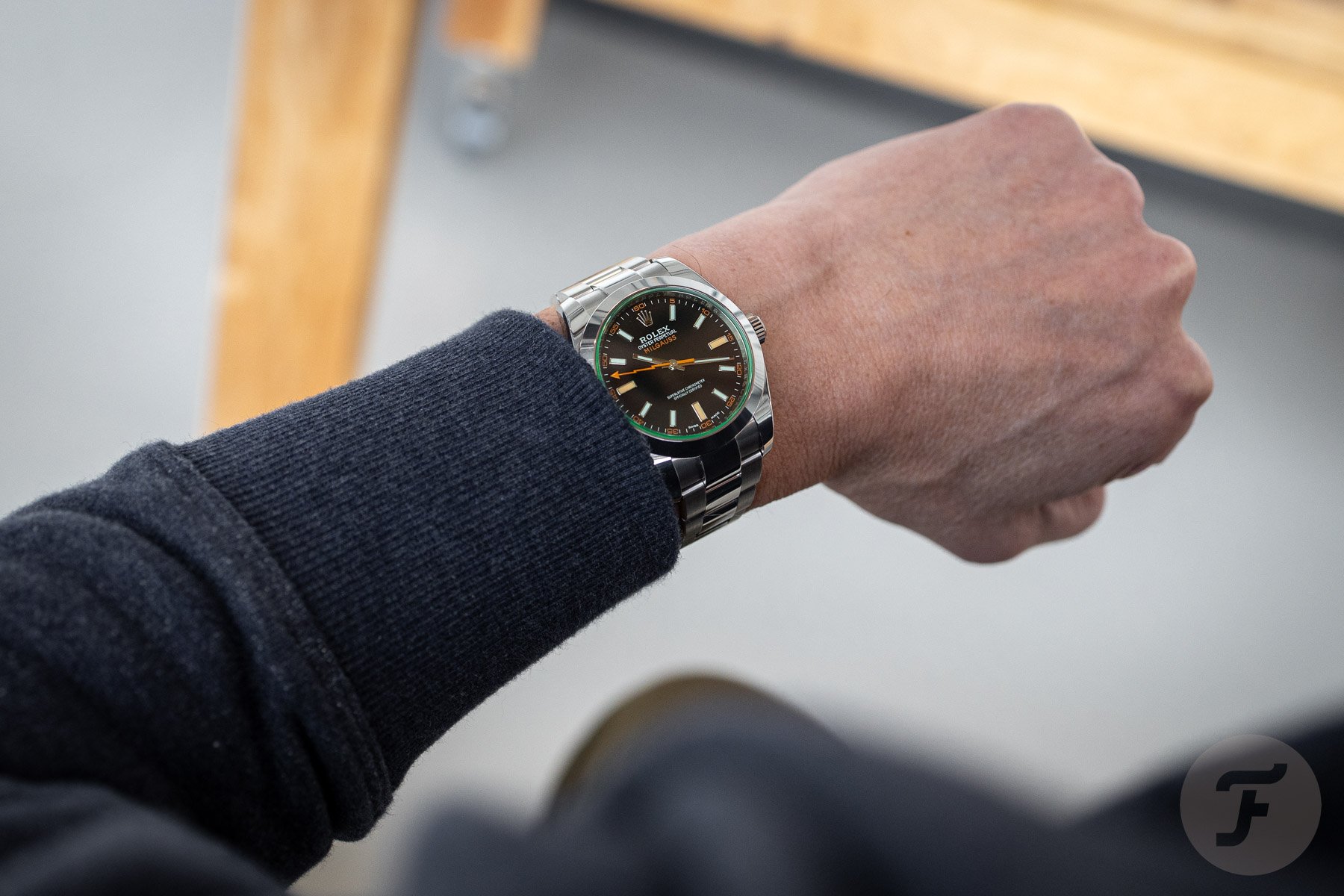
Since that release, people have questioned why Rolex didn’t update the Milgauss, as both watches used the same case. Instead, the Genevan brand discontinued the Milgauss in 2023. We’ve argued for its revival on multiple occasions, whether through Lex’s eulogy, an article on Robert-Jan’s potential next Rolex purchase, or my homage with a Milgauss Top 5. Yes, it is time for the Milgauss to return.
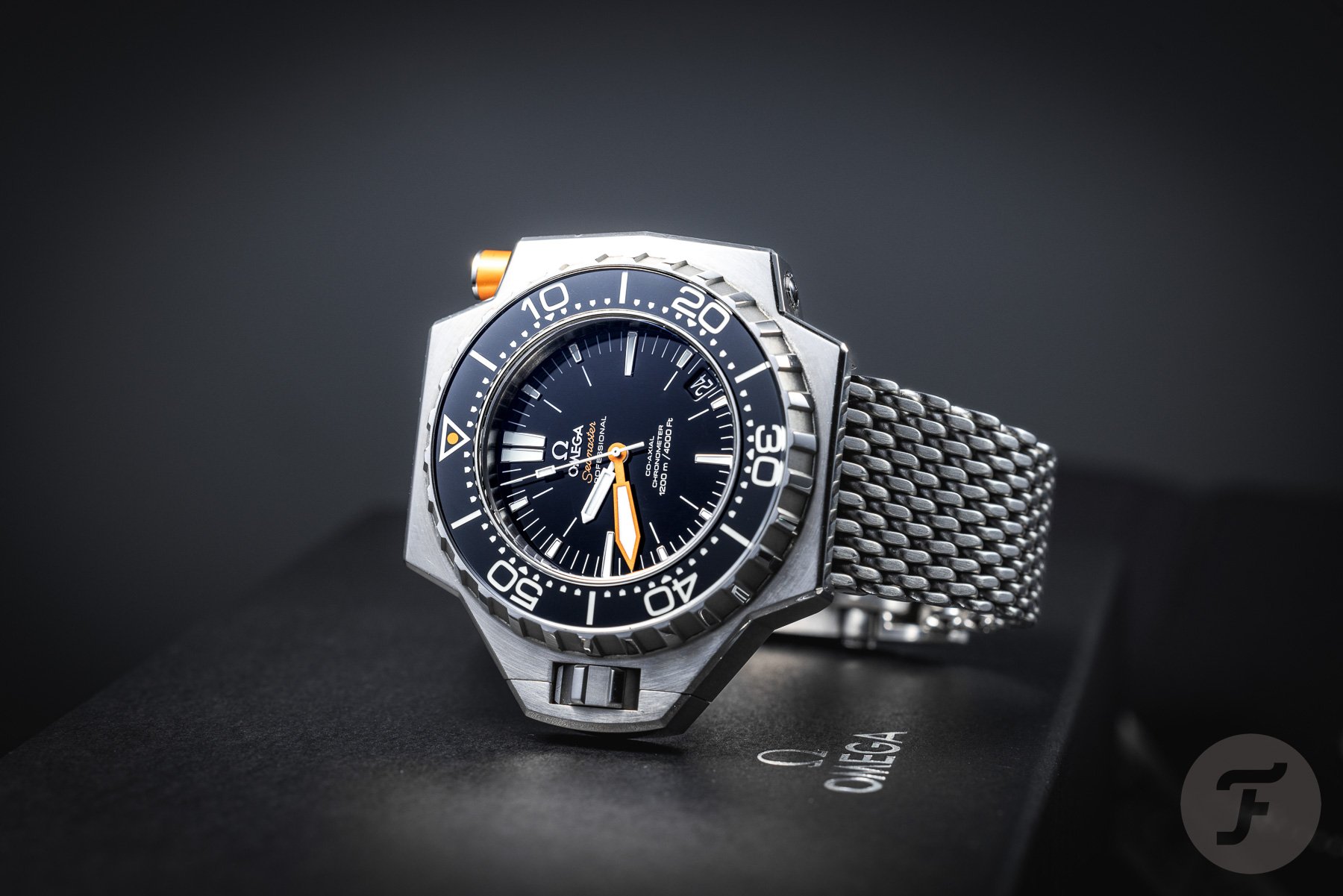
Omega Seamaster Ploprof 1200M ref. 224.30.55.21.01.001
Speaking of legendary watches, the Omega Ploprof name is famous among watch enthusiasts. Now, you might be thinking, “But wait a minute; the Ploprof is still part of Omega’s collection.” And you’d be right. When Omega presented its Summer Blue Seamaster collection, the stainless steel Ploprof returned to the lineup after a four-year hiatus.

While that is a nice version of the legendary Ploprof, we are still waiting for the return of the classic black-dial version in stainless steel. Omega discontinued that one in 2019 after a decade-long production run. Of course, it doesn’t take a genius to understand that this watch will never be a huge commercial success. But its legacy, design, and presence make it unmistakable. With a watch so impactful in every respect, you are unlikely to forget it once you’ve had one on your wrist.
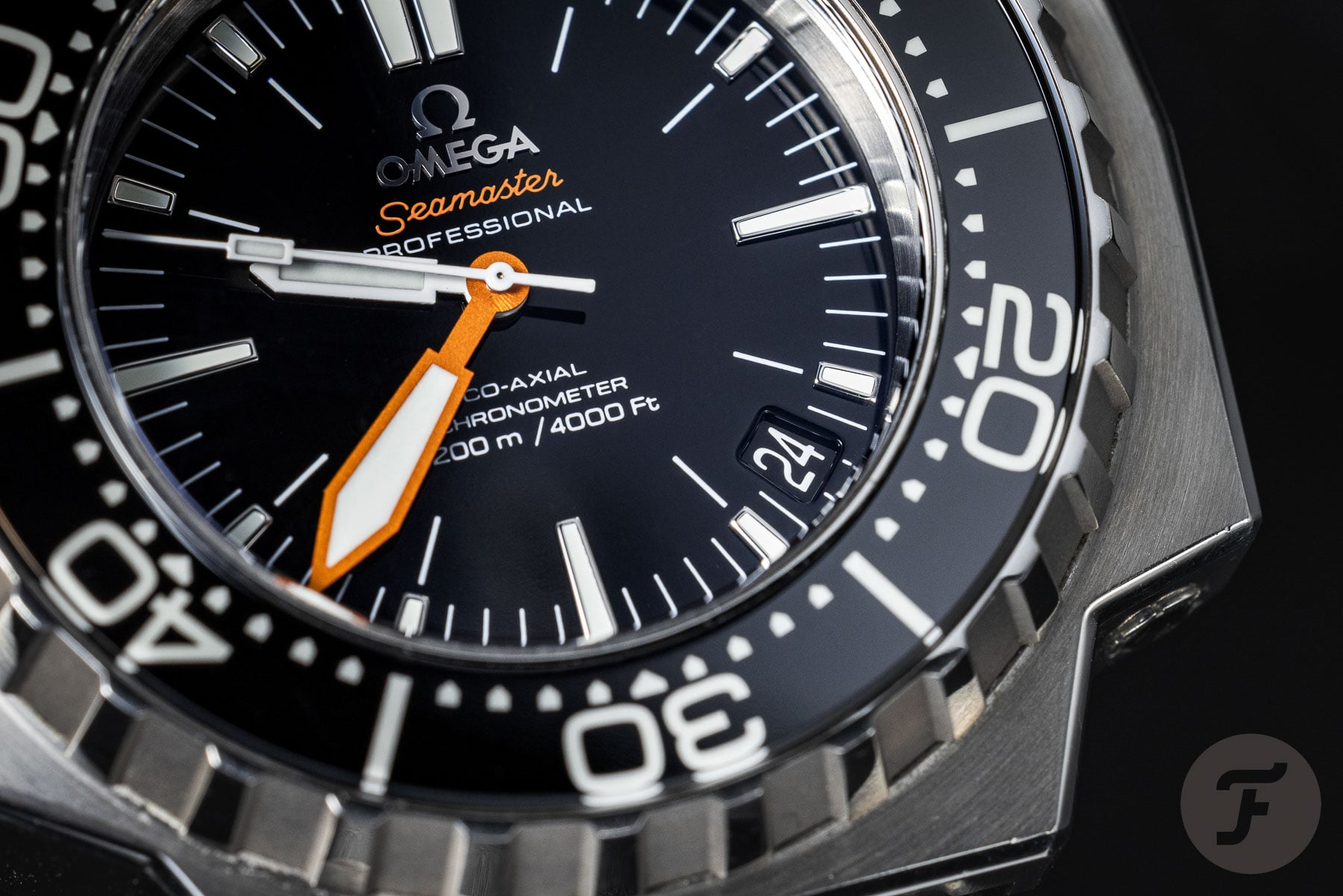
Robert-Jan and I wrote multiple lengthy articles about the Omega Seamaster Ploprof 1200M. RJ started with a great comparison between the original from the ’70s and the 2009 version. I first wrote about the watch six years ago after spending a week with Robert-Jan’s Ploprof. In that article, I explained how Omega succeeded in creating a modern version of the watch that is better than the legendary PloProf 600 from the 1970s in every way. Our colleague Gerard used to own a classic PloProf 600, and I became fascinated with the weird-looking dive tool when I saw it in the early 2000s.
The canvas for a triumphant return is there
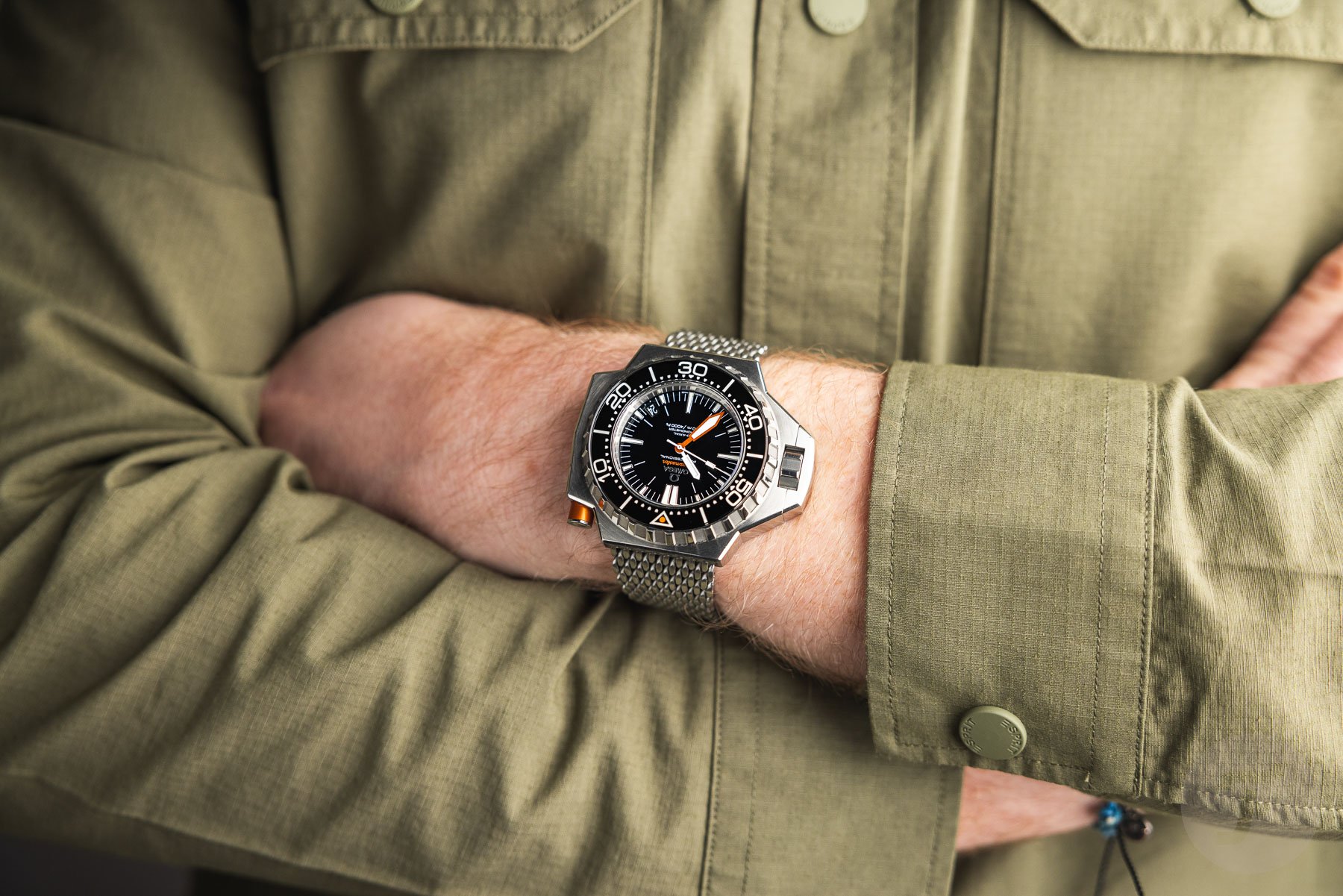
While I won’t go over all the details, I will highlight some things. Omega unveiled the Ploprof 1200M with a beautifully updated design. The oddly shaped case, with the integrated screw-down crown on the left and the large pusher on the right, remained as the Ploprof’s signature element. With a whopping 55 × 48mm footprint, this chunky 279g block of steel is not for the faint of heart. However, the design updates make it even better than the vintage version. The updated crown shape, modern bezel font, orange pusher matching the orange minute hand, overall dial design, and repositioned date display make it look so much better than the original.
Inside the case is the in-house-developed caliber 8500. Introduced in 2007, it features Omega’s Co-Axial escapement, beats at 25,200 vph, and offers a 60-hour power reserve. Omega used this modern powertrain as the base for the 8900 series of Master Chronometer movements, one of which, the 8912, powers the Summer Blue Ploprof today.
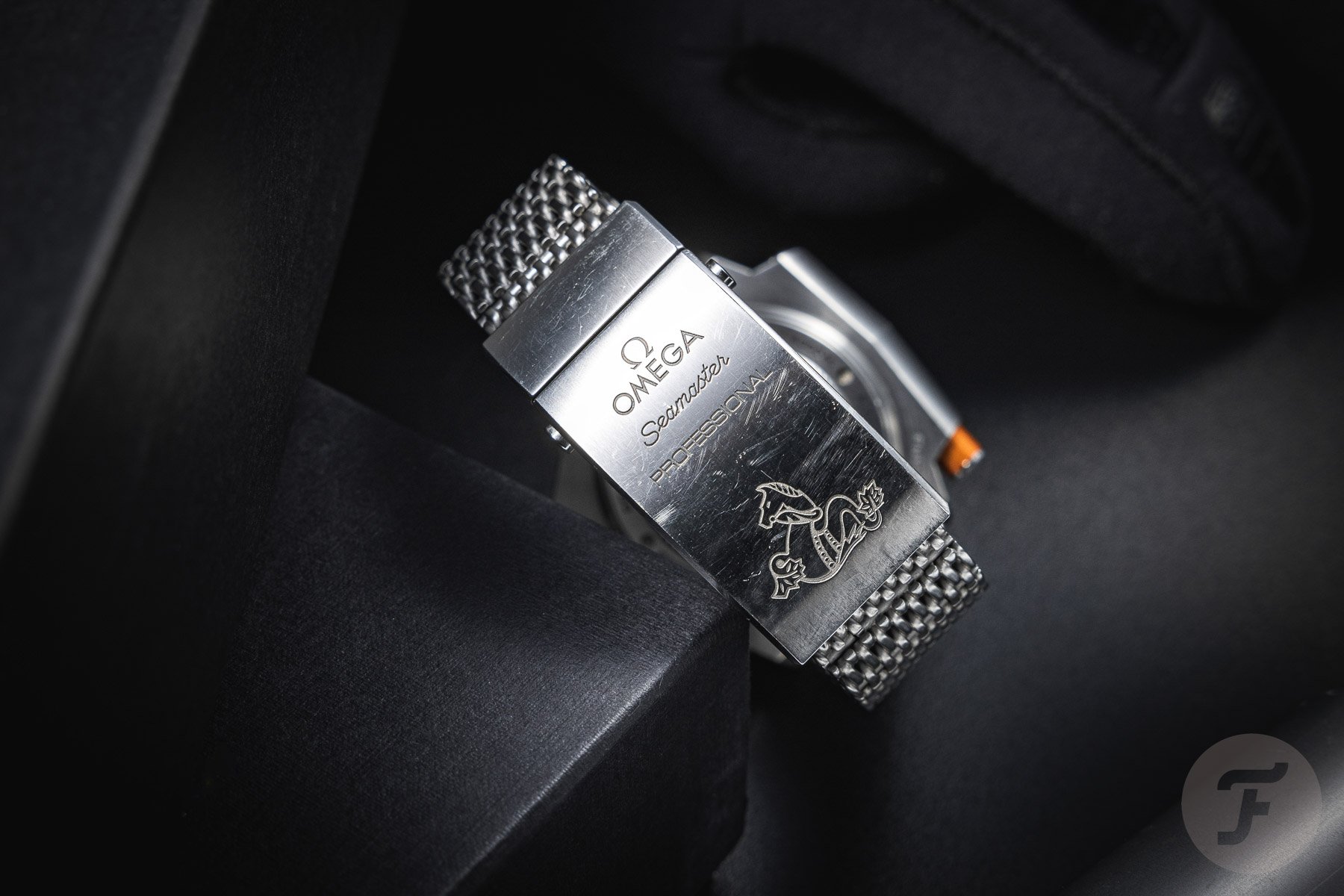
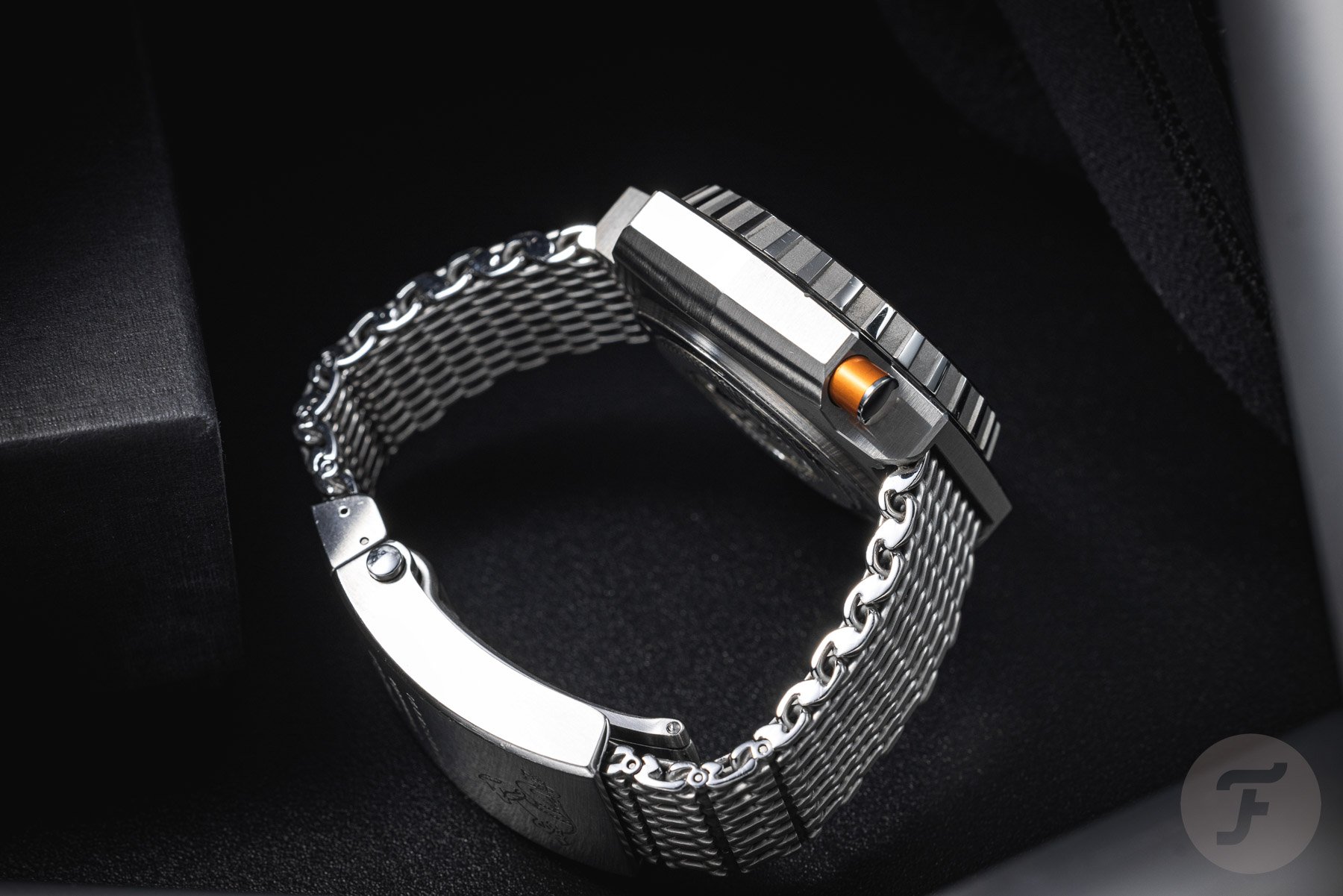
What Omega should not change is the incredible stainless steel mesh bracelet. It finishes the watch’s look perfectly, but it also adds substantially to the watch’s weight and balances the case on the wrist. I’ll be the first to tell you that it takes more than a day to get used to the weight, but once you do, you’ll be in for a great ride. Sadly, we have to miss that ride if we’re sticking to the current collection.
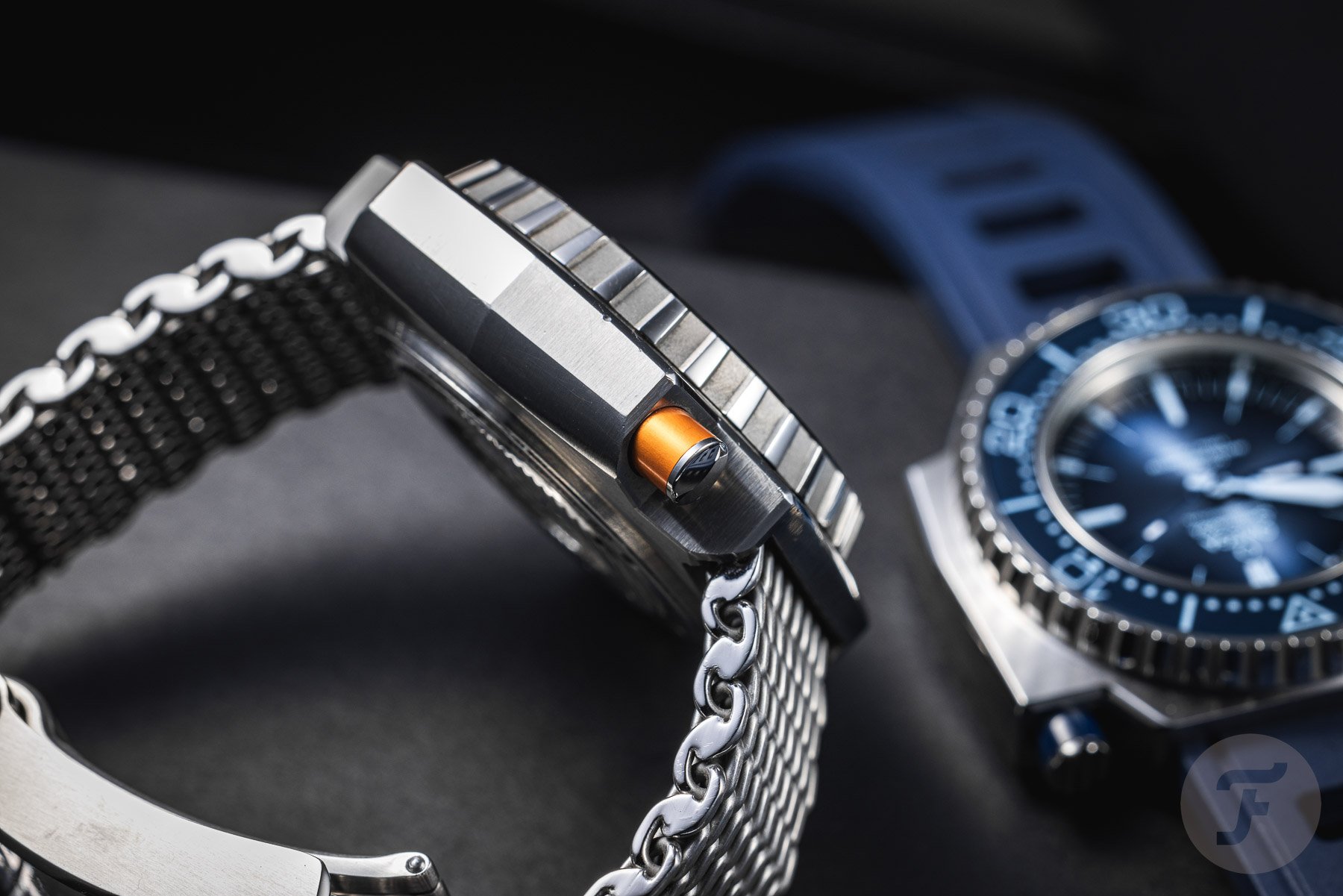
The great thing about the current Summer Blue Ploprof is that it brought back the monobloc case that our favorite Ploprof didn’t have. Plus, it’s somewhat smaller, making it slightly more wearable. So, the canvas for a triumphant return of the Ploprof with a black dial and bezel and orange accents is there. It’s just up to Omega to make it happen!
Patek Philippe Nautilus ref. 5711/1A
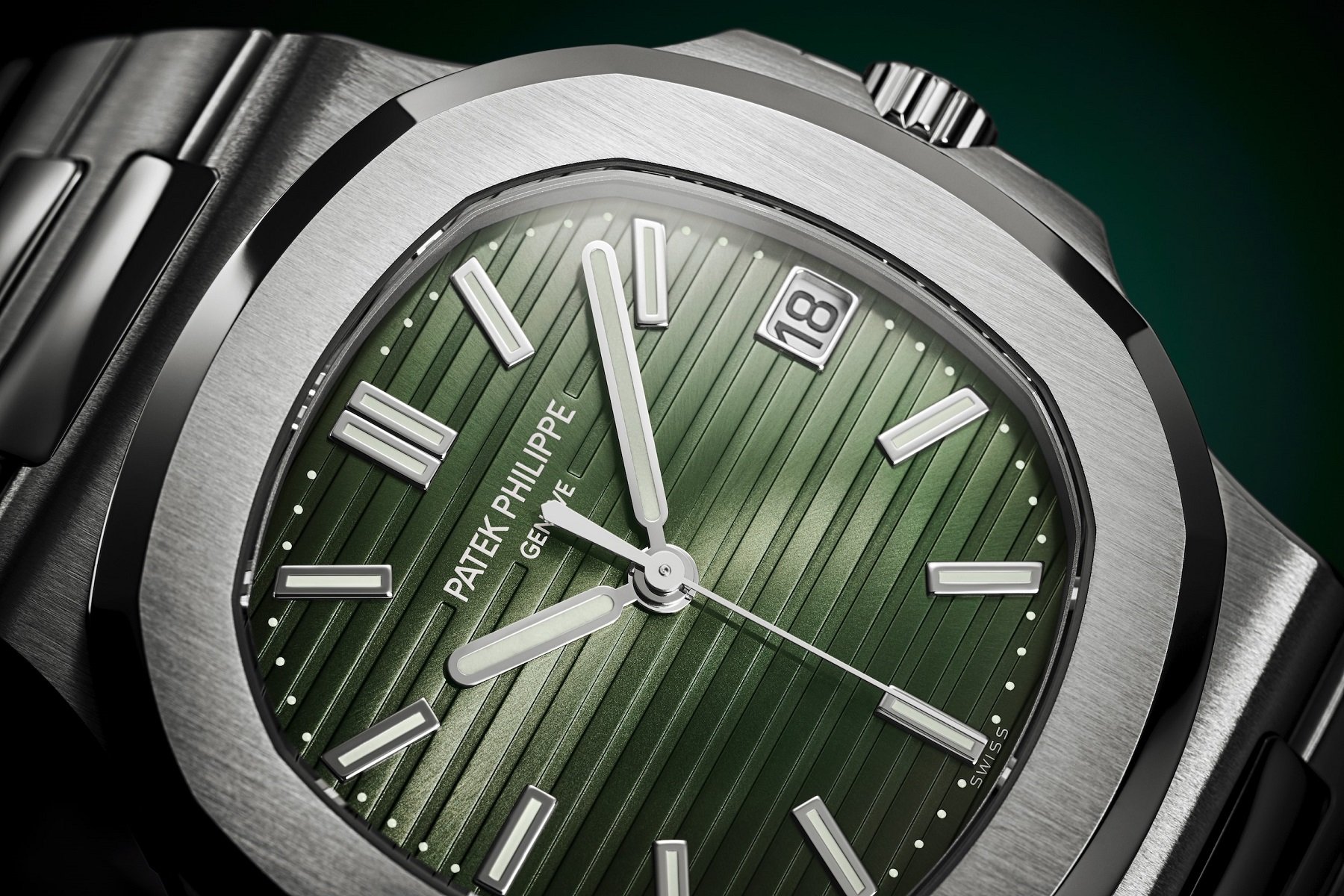
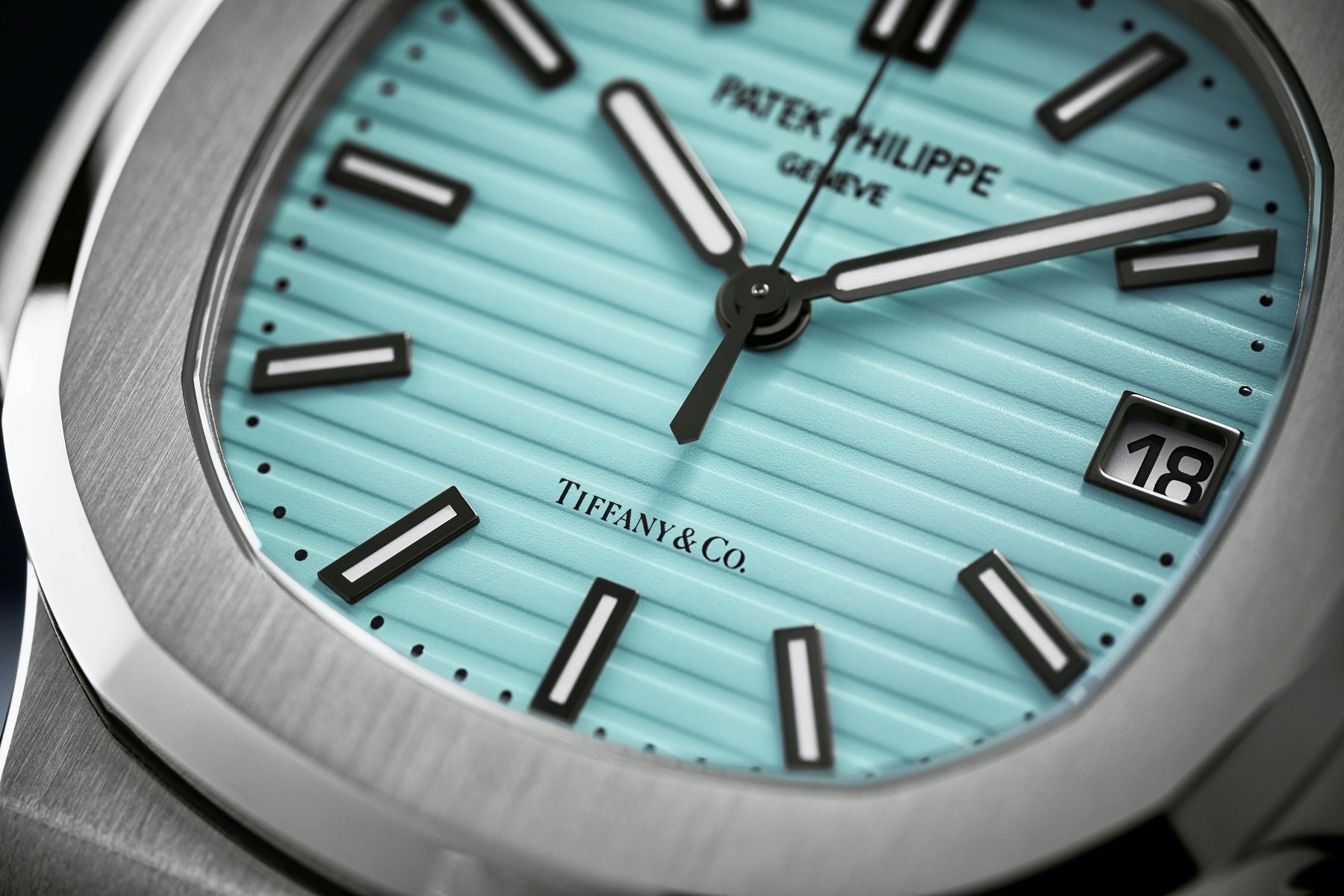
This next one needs no explanation, so I won’t get too deep into it. But when Thierry Stern announced the discontinuation of the stainless steel Nautilus “Jumbo” in 2021, the hype surrounding the watch was ridiculous. The story ended with the green-dial Nautilus and the co-signed Tiffany-dial Nautilus in 2021. After that, the steel 5711 was no more. If you were around five years ago, you probably remember why Stern thought it was time to discontinue the legacy of Gérald Genta’s original creation. The main reason was that the Patek president didn’t want one watch to take up 50% of the collection and dominate Patek’s image.
Stern also wanted to ensure that Patek Philippe watches would retain their value through scarcity. He explained that Patek owners value that in the brand. It is worth remembering that in 2021, the craziness surrounding the Royal Oak and Nautilus was at its peak, with gray-market prices having reached ridiculous levels for both “Jumbo” models. As a result of delisting the 5711, Nautilus prices skyrocketed even more. Five years later, the world is now a different place. But where are we with the Nautilus?
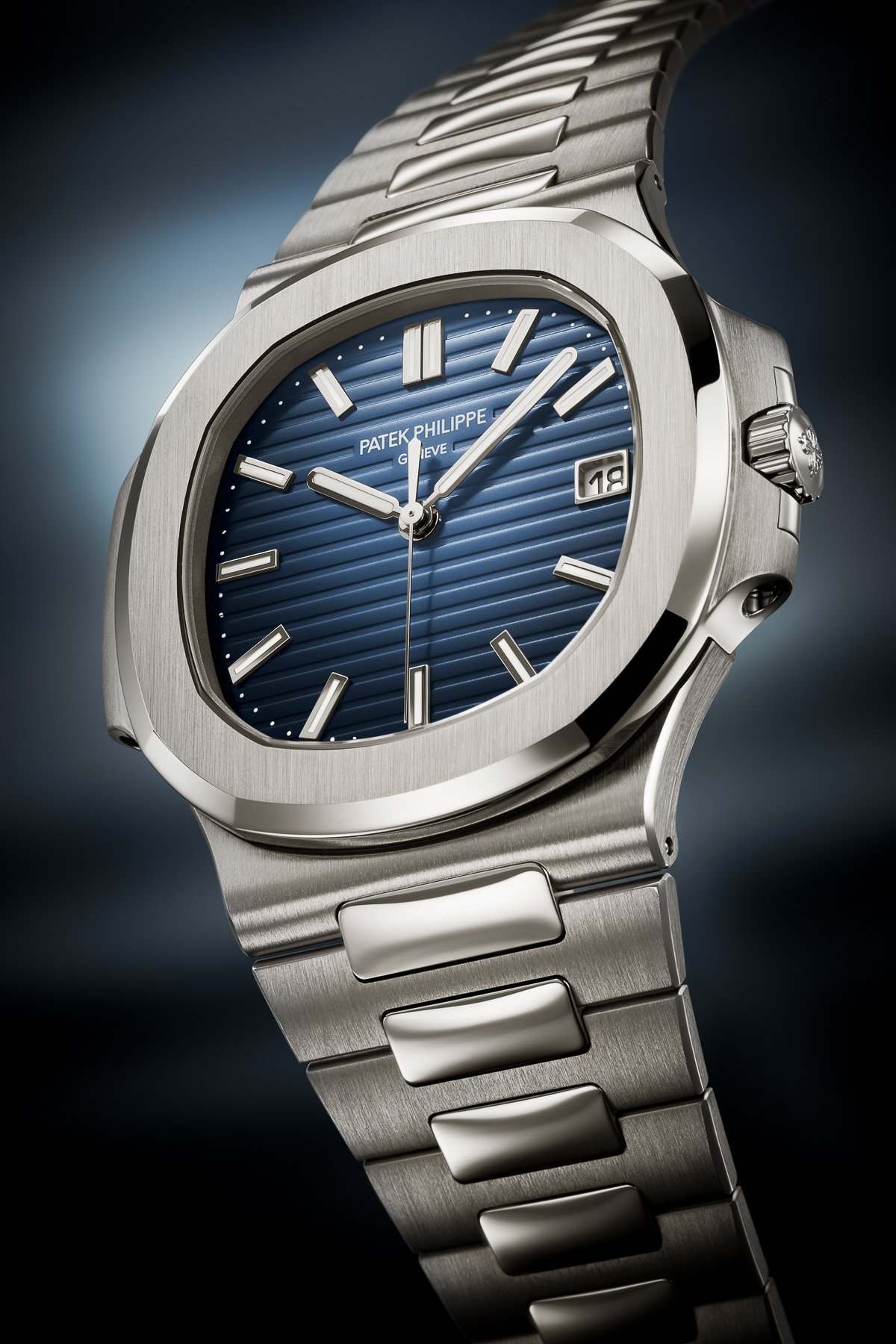
Nautilus ref. 5811
The follow-up just made us want a steel Nautilus again…
You will all be aware that what came after fueled a lot of debate. First, in October 2022, Patek introduced the Nautilus ref. 5811. The updated version of the “Jumbo” was presented in white gold with a blue gradient dial. This watch is still the only regular version of the Nautilus “Jumbo” available in the catalog. But we all know what came next.
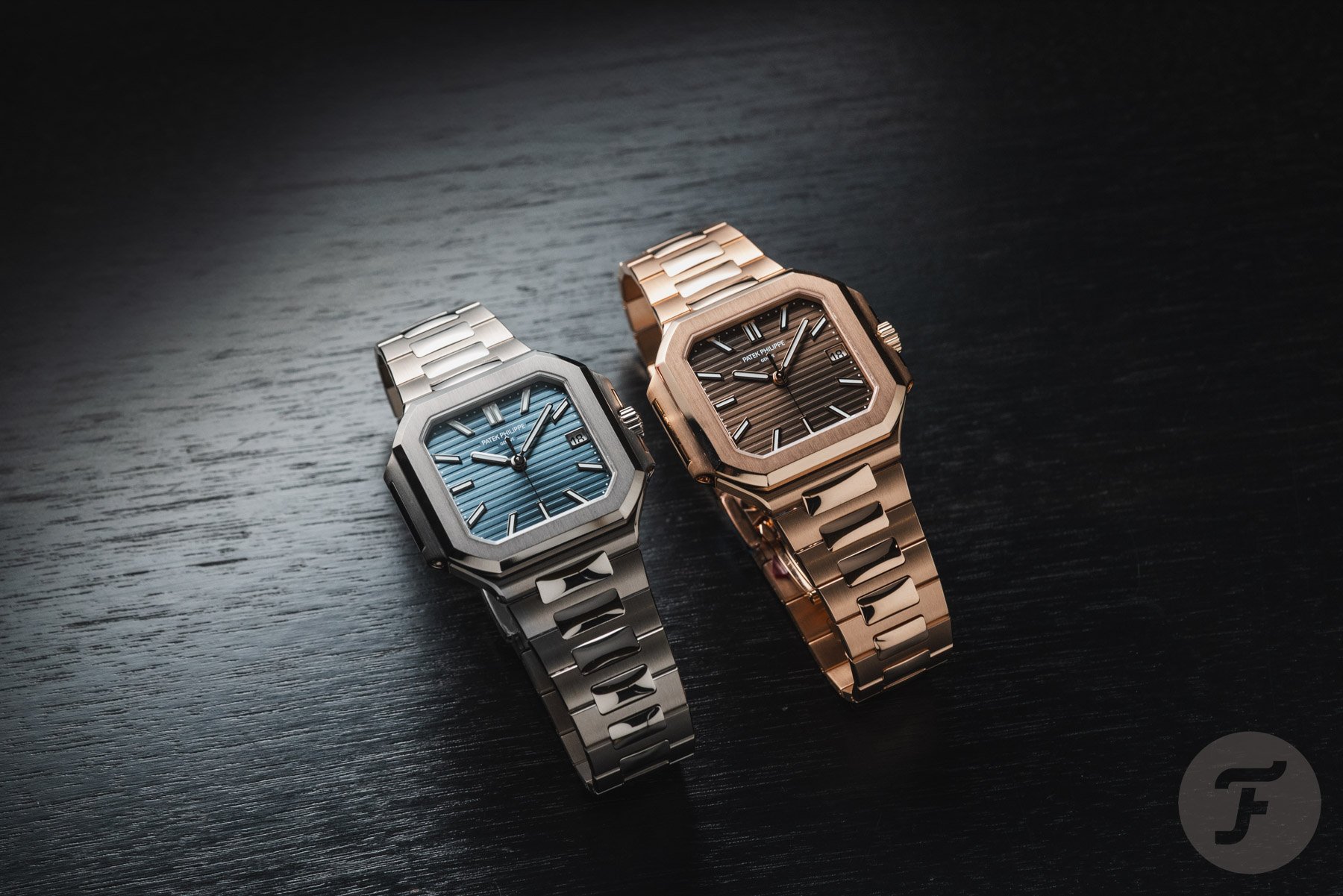
In 2024, Patek began its next adventure in luxury sports watches with the Cubitus. I won’t go over the whole spiel from back then, but let’s just say the Cubitus made it abundantly clear that we always need a stainless steel Nautilus “Jumbo” in the Patek collection. Honestly, the Cubitus has grown on me as a standalone watch, but the context of its creation and the Nautilus-influenced design still leave me with mixed feelings.
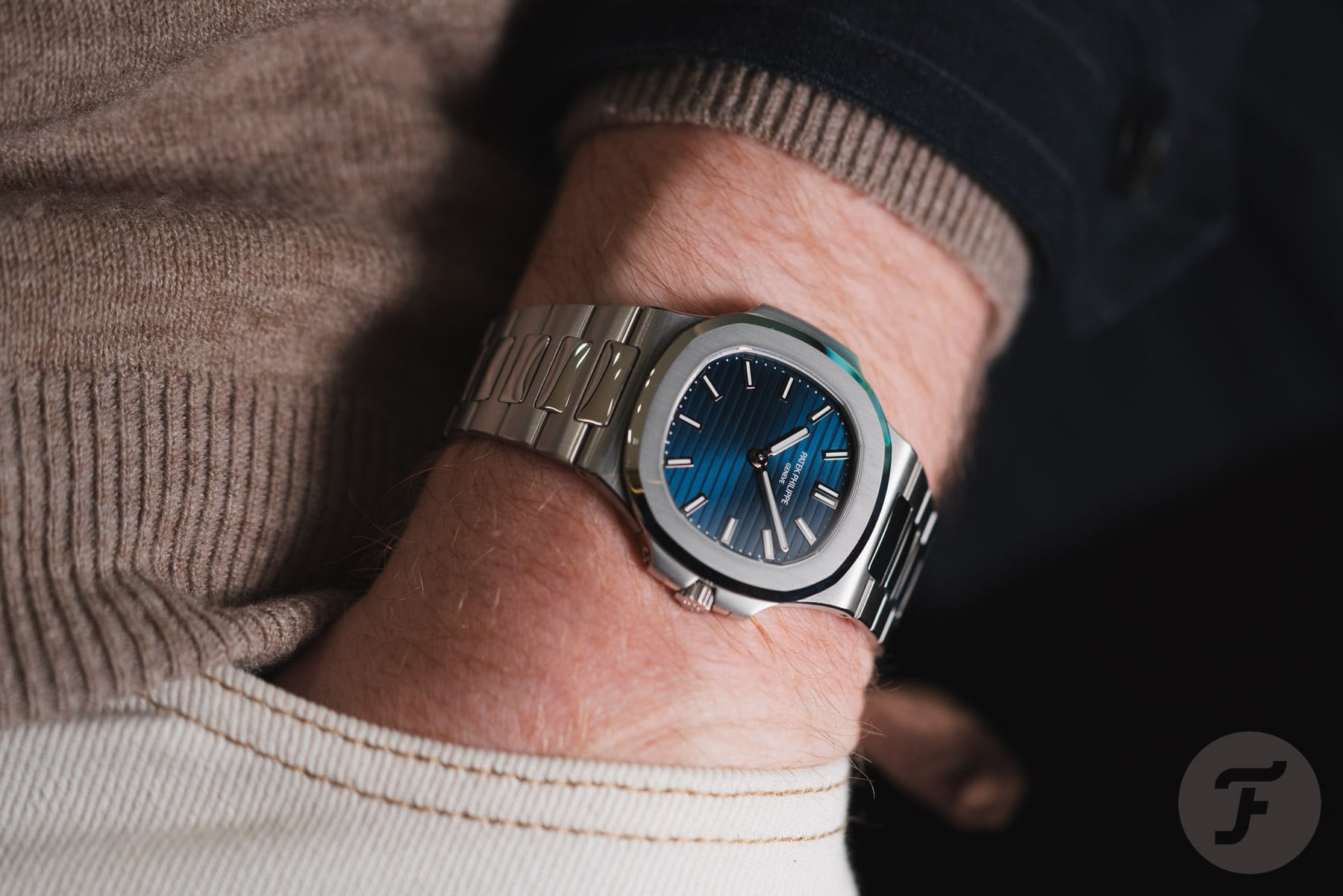
That feeling became more apparent during Watches and Wonders this year, when Patek celebrated the Nautilus’s 50th anniversary. It perfectly showed that Genta’s creation hasn’t aged a day since its introduction in 1976. Both the ref. 5810 in white gold and the smaller ref. 5610 in platinum are stunners. Removing the date and seconds hand on both models results in a super-clean aesthetic, backed by two beautiful calibers, proving once more that the Nautilus is an iconic watch for a reason. Genta’s Nautilus debuted in stainless steel in 1976, so it’s strange to see the watch celebrated five decades later without a stainless steel version.

Image: Bulang & Sons
Rolex GMT-Master II ref. 126710BLRO
Our fourth pick is another no-brainer. This year, Rolex discontinued the GMT-Master II “Pepsi” ref. 126710BLRO from the lineup. It was an expected move, and Thomas wrote about it a month before Watches and Wonders. As most of you know, this is not the first time Rolex has gotten rid of the stainless steel Pepsi. After the last aluminum-bezel GMT-Master IIs left the production facility in 2007, the Pepsi was gone for the next seven years.

Image: Bulang & Sons
When Rolex transitioned to Cerachrom bezel inserts, the brand had difficulty producing the exact red hue needed for the Pepsi, and it was a costly process to boot. That’s part of the reason why the Pepsi was only available in white gold from 2014 to 2018. Production numbers for precious-metal watches are lower, allowing Rolex to control production a lot better. But finally, in 2018, the steel Pepsi made a glorious return. Whether the watch was on a Jubilee or an Oyster bracelet (the latter became available in 2021), it was good to see the return of the original GMT-Master colors.

Image: Bulang & Sons
The element of surprise is often without logic
With the stainless steel ref. 126710BLRO, the white gold ref. 126719BLR also left the collection. It was available with either a blue lacquered dial or a meteorite one, and both variants came on an Oyster bracelet. While those were definitely nice, the stainless steel version will always take center stage. This is a Rolex classic that should always be available in The Crown’s collection. But as Thomas also explained, Rolex does as Rolex does. As we’ve seen time and time again, the brand’s element of surprise does not always feel logical.

Image: Bulang & Sons
That said, the Cerachrom Pepsi bezels we have seen since their introduction in 2014 have had different hues of red and blue. In particular, the differences in the red color have stood out. They went from a lighter, almost pastel red to a deeper, darker red for later models. It makes us wonder whether the brand was never totally pleased with the colors and discontinued the watch because of that. Whatever the reason, we don’t have a stainless steel Pepsi now, and that always feels like an omission. This classic should always be part of the collection because it is such a significant part of Rolex history, and it is the GMT-Master II to have.

Tudor Black Bay 58 ref. 79030B
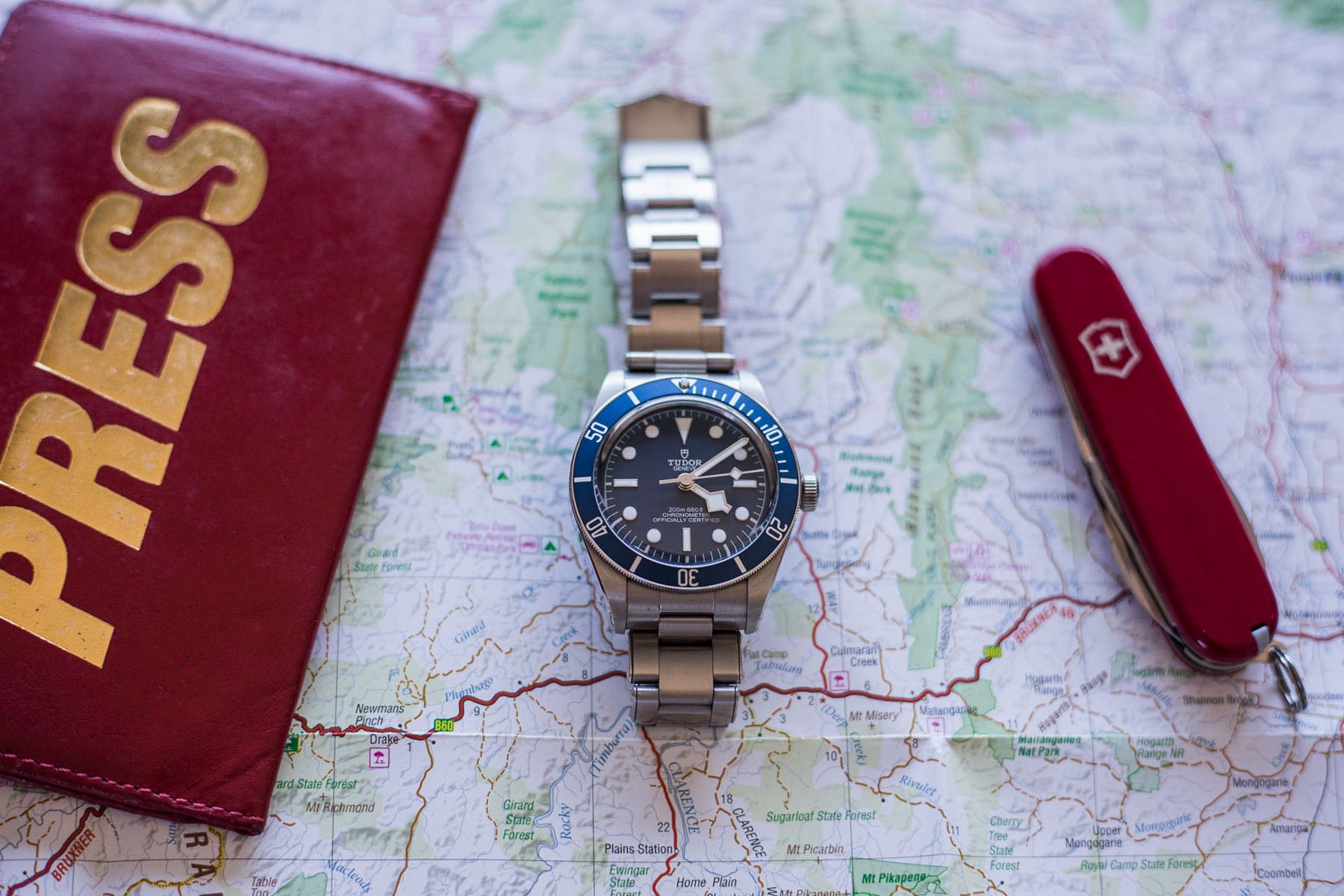
Our last pick will probably lead to some discussion. As Tudor is heavily influenced by Rolex, any discontinuation of a Black Bay model is debatable. But if one recent Black Bay steps away from the standard Rolex connection and better represents Tudor’s specific history, it’s the blue-dial Black Bay 58. The watch was silently discontinued earlier this year, and we were a little surprised. Its dial and bezel had a specific color associated with the brand’s history with the Marine Nationale’s divers. Not to mention, some of the most sought-after Tudor Submariners are the blue vintage models. Fratello’s Mike Stockton owns multiple blue Tudor Subs, and they look so attractive.
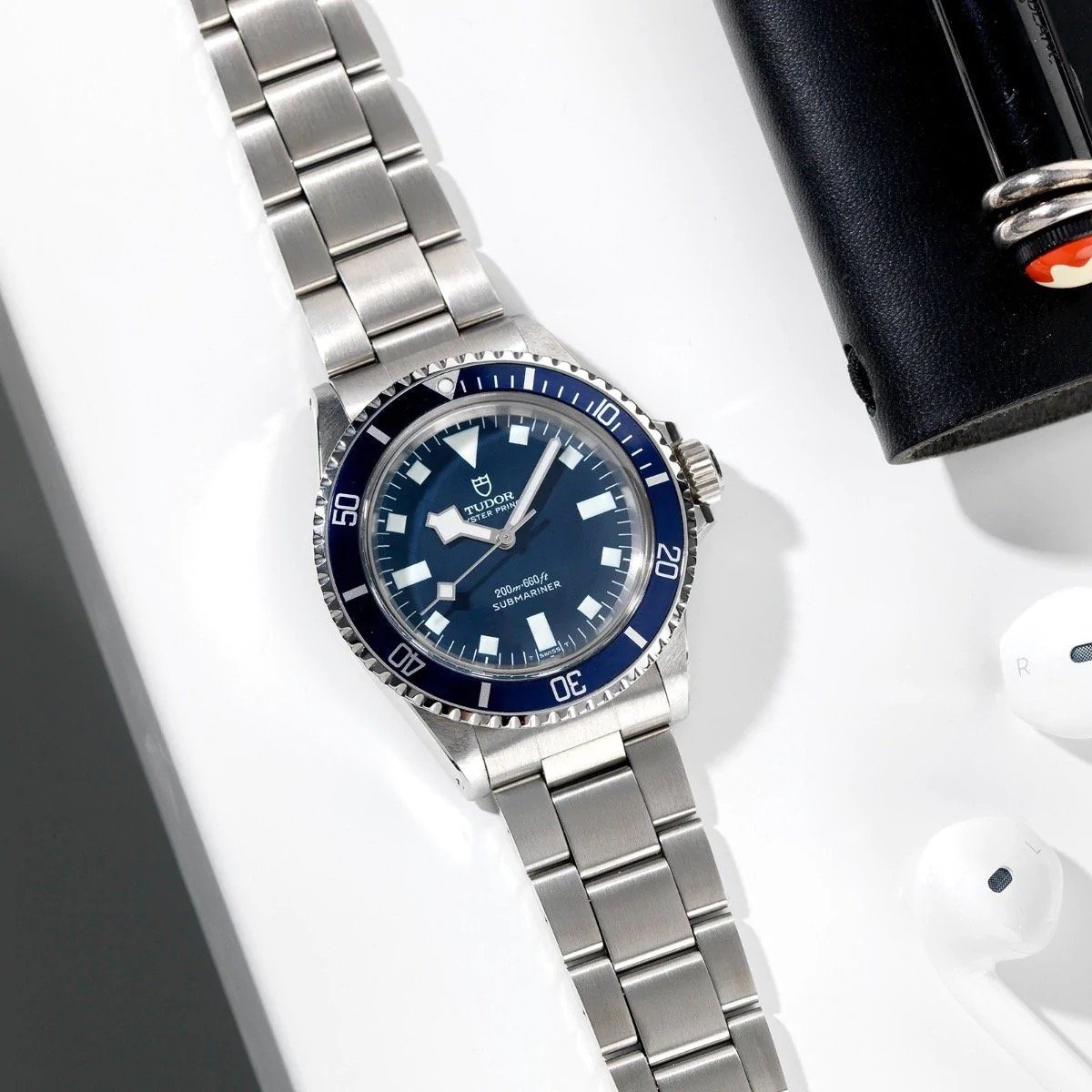
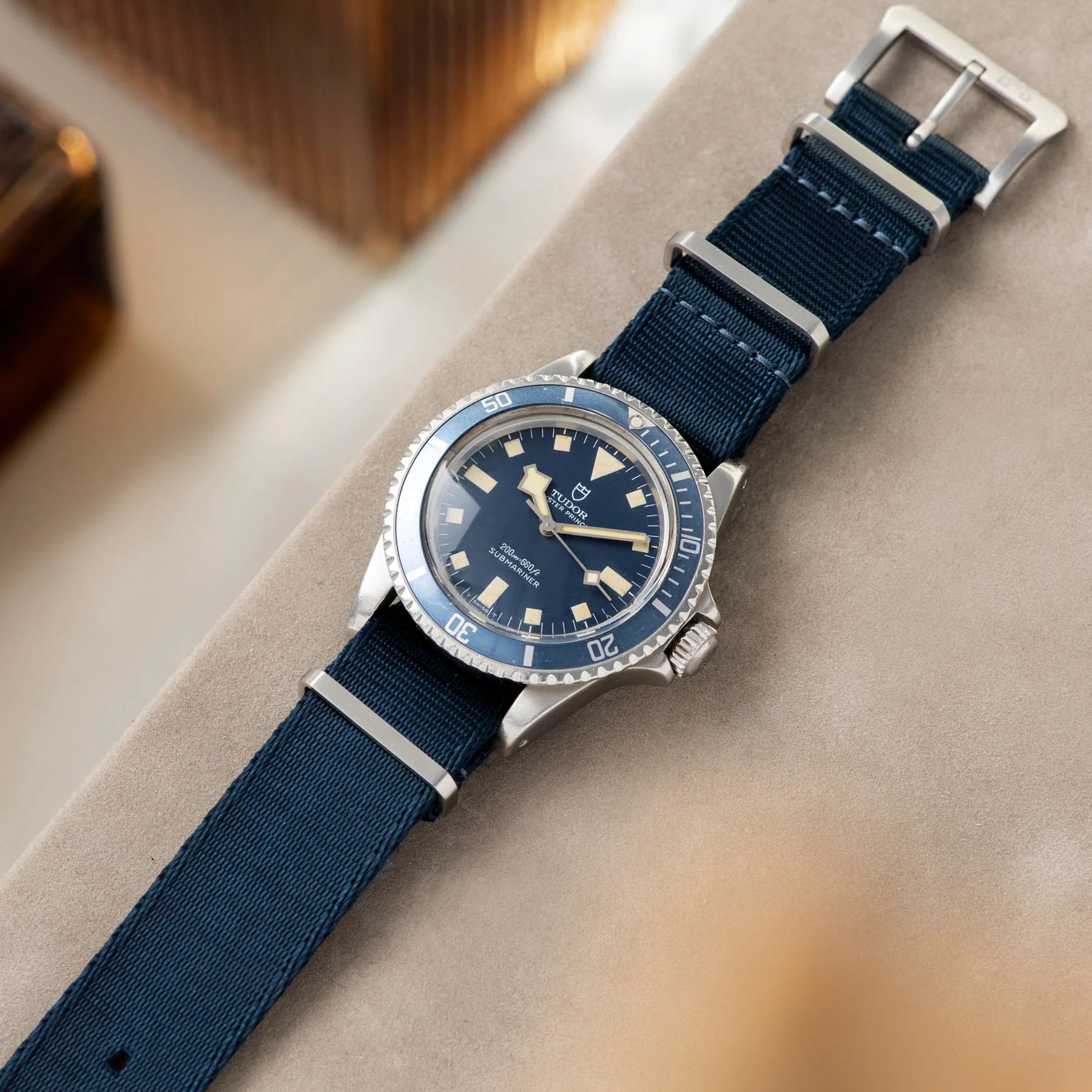
Tudor Submariner ref. 7016 — Image: Bulang & Sons
The Tudor Submariner ref. 7016 introduced the brand’s iconic dial design, featuring square and rectangular markers paired with the famous Snowflake hands. As I explained in a Top 5 article on the best Tudor Submariners, the Marine Nationale divers requested larger luminescent hands and hour markers for better underwater readability. After equipping the Submariner ref. 7928 with new dials for the divers, Tudor released the follow-up ref. 7016 to the public. As we know, the Snowflake hands became a Tudor standard that we see in most of the brand’s models today. The dial style then became a Pelagos signature, and it is what many consider the true Tudor style.
Tudor Submariner ref. 9401 — Image: Bulang & Sons
The great historical relevance of the blue Subs
While a black-dial version was also available, it’s the blue version of the ref. 7016 and its follow-up, the ref. 9401, that makes it even more Tudor. For Tudor collectors, the holy grail is one of the French Navy-issued MN pieces. But the blue dials also include versions with round hour markers and Mercedes-style hands, which are popular among collectors. As I’m sure you understand by now, the blue Black Bay 58 shares a great historical link with the classic blue Subs, giving it a relevance we love.
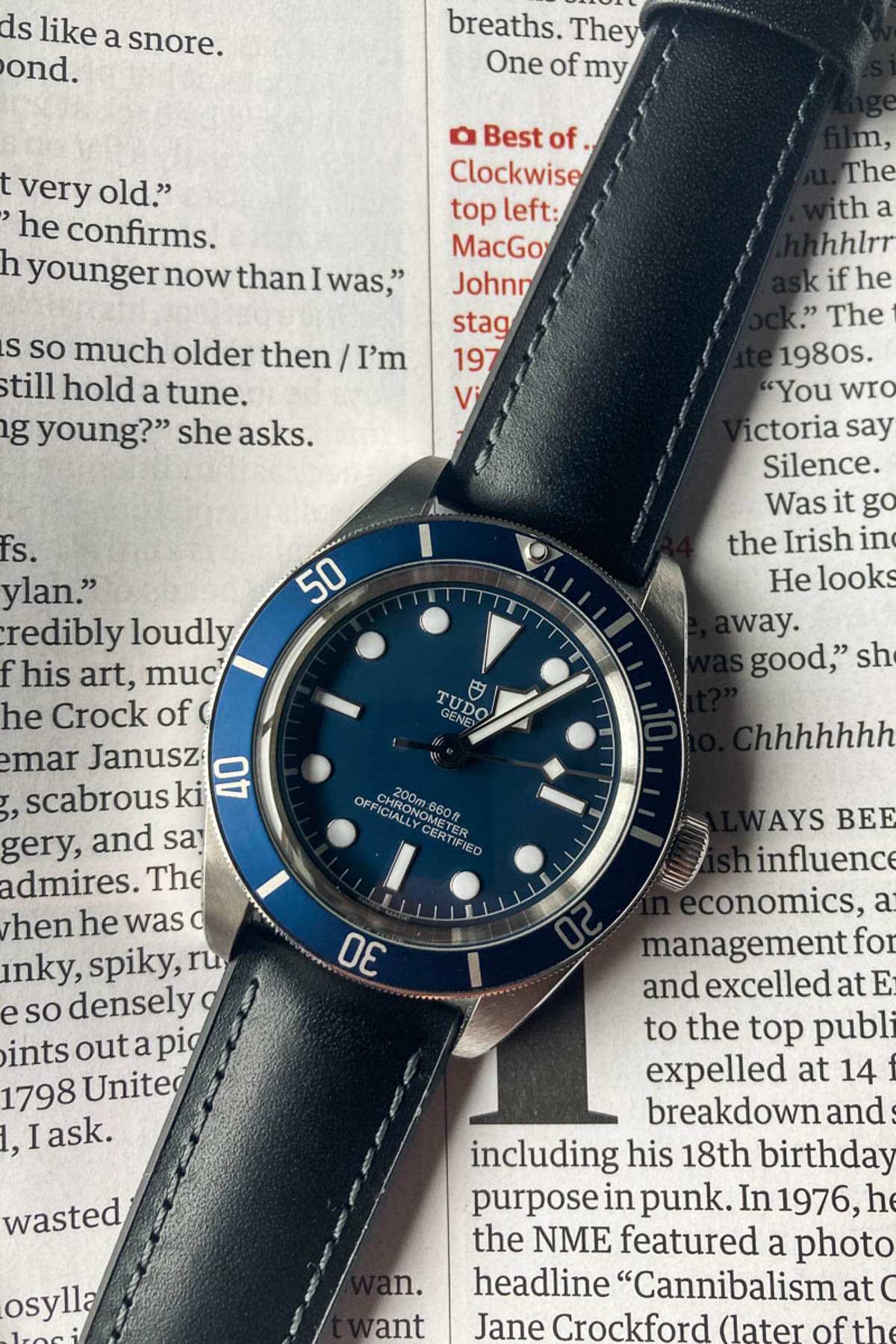
I was lucky enough to spend time with the watch at its introduction, which happened during the COVID pandemic. To me, it immediately felt more special than the black version of the Black Bay 58. On top of that, I loved that Tudor didn’t use any vintage-mimicking gilt accents and just kept the aesthetic very crisp and clean. It made the Black Bay 58 Blue a popular watch among Tudor fans. Multiple Fratello team members also owned or still own a Black Bay 58 in blue because they appreciate its historical significance.
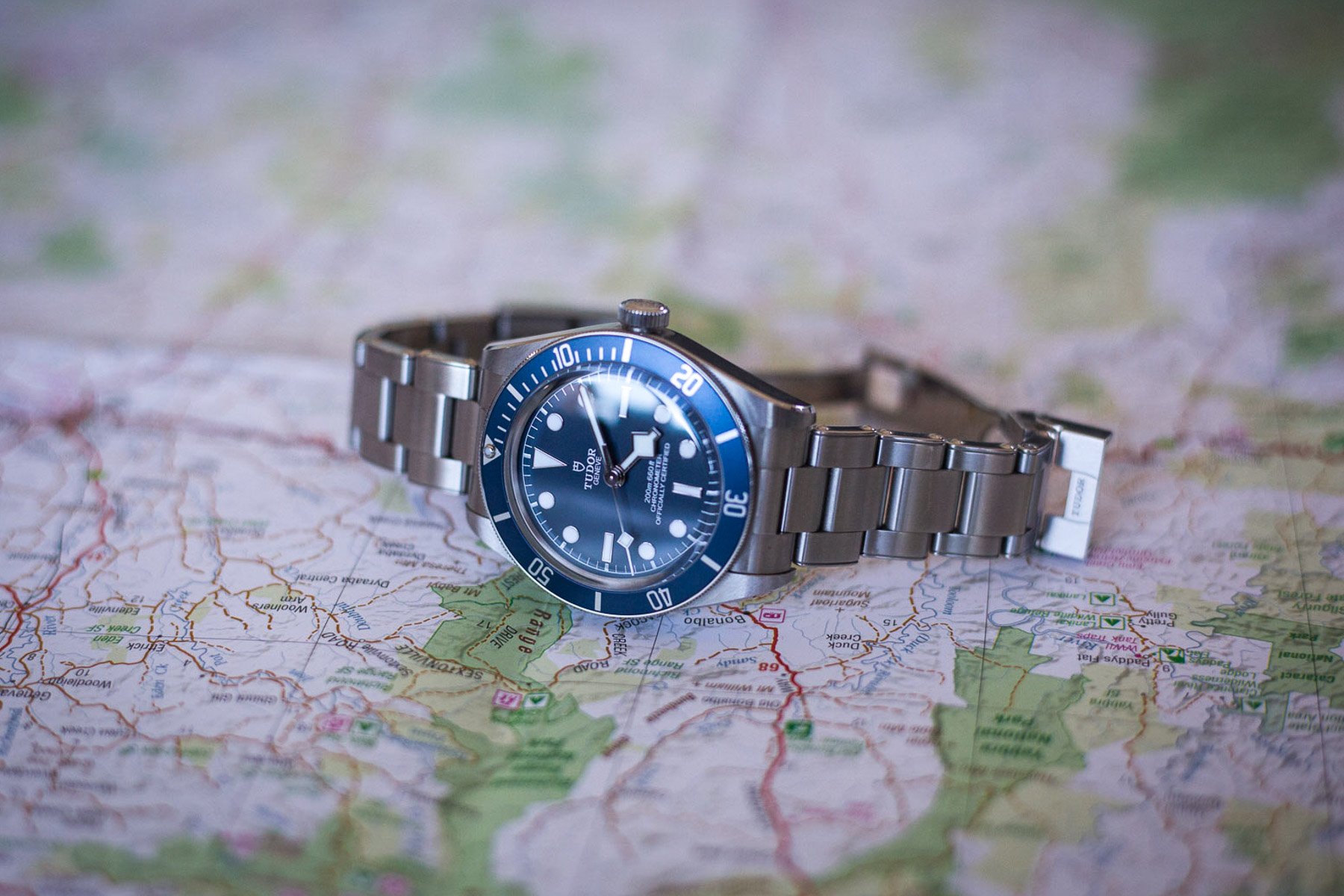
Needless to say, it felt somewhat strange that Tudor discontinued it, especially because the blue hue of the dial and bezel was so well chosen. As we know, though, the brand is slowly introducing sunburst dials for its Black Bay models, including a blue version of the Black Bay 54. That watch debuted during Watches and Wonders this year, but it doesn’t have the same style and class as its bigger discontinued brother. After seeing it, it left us wanting the blue-dial Black Bay 58 back in the collection.
Final thoughts
There you have it — our top five picks for the watches that should not have been discontinued. If we’re lucky, we’ll see Rolex, Tudor, Omega, and Patek Philippe bring them back soon, but we probably shouldn’t hold our breath. Of course, plenty of other options could have made this list. That’s why I want to turn the question over to you. What watches do you feel should never have been discontinued? Let us know in the comments section, and we will see you next week for a new list.